
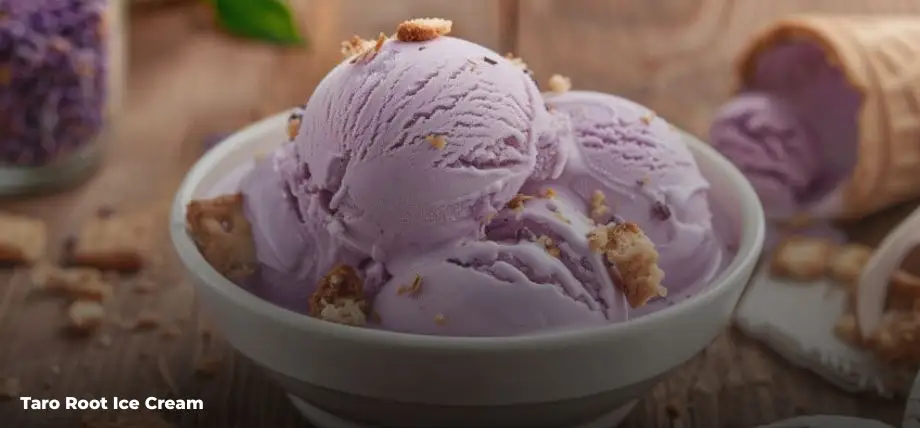
Taro root ice cream is quickly becoming a beloved treat in the UK’s dessert scene. Made from taro, a root vegetable known for its creamy texture and subtle, nutty flavour, this unique ice cream offers a refreshing alternative to classic options like chocolate and strawberry. Its natural purple hue and mild sweetness have caught the attention of dessert lovers across the country. As more people discover taro through bubble tea shops, Asian supermarkets, and social media, this once-niche flavour is building a strong following. In this guide, we explore what taro ice cream is, how it tastes, its health value, how to make it, and why it’s trending in the UK.
What Exactly Is Taro Root Ice Cream?

Image source: pexels.com
Taro ice cream is made using the taro root, also known as Colocasia esculenta. It is widely used across Asia, the Pacific Islands, and parts of Africa in both sweet and savoury dishes. In the UK, taro became popular through bubble tea cafés, where taro milk tea introduced people to its soft lavender colour and gentle taste. From there, it naturally expanded into desserts like ice cream, especially in cities such as London, Manchester, and Birmingham.
What’s in It?
Taro ice cream blends taro with a creamy base to create its signature texture and flavour. Most versions include:
- Cooked taro or taro powder
- Dairy or plant-based milk (such as coconut or oat milk)
- Sugar or natural sweeteners
- Optional flavourings like vanilla or coconut
- Cream or condensed milk for richness
Everything is mixed, chilled, and then churned or frozen while stirring to achieve a smooth texture.
What Does Taro Ice Cream Taste Like?

Image source: pinimg.com
Taro ice cream has a smooth and mild flavour. Many people describe it as a mix of sweet potato and light vanilla. It is not overly sweet, which makes it a great choice for those who prefer lighter desserts. The texture is thick and creamy, while the colour ranges from soft lavender to grey-purple depending on the ingredients used.
- Flavour & Texture:
Lightly sweet, creamy, and slightly nutty with a smooth finish. - Colour:
Ranges from pale lavender to deeper purple depending on whether natural taro or powder is used. - Origins:
Popular in Southeast Asian and Pacific cuisines. - Process:
Cooked taro is blended with a creamy base, then churned and frozen.
Types of Taro Ice Cream You Should Know
Not all taro ice cream is the same. There are a few common types:
- Homemade: Made with fresh taro for a natural flavour and colour.
- Powder-Based: Often used in bubble tea shops, sometimes includes colouring and flavouring.
- Commercial Brands: May include stabilisers and added sugars for longer shelf life.
- Vegan Versions: Made with coconut or oat milk instead of dairy.
As reported by Yee Kwan, some UK-made taro ice creams are inspired by bubble tea flavours and may include added ingredients to enhance texture and consistency.
Why Is It Trending in the UK?
- A Taste Adventure
People in the UK are always looking for new dessert experiences, and taro offers something different yet comforting. - Social Media Appeal
Its pastel purple colour makes it highly shareable on platforms like Instagram and TikTok. - Plant-Based Options
Many versions are dairy-free, making them suitable for vegan diets.
The rise of Asian cuisine and desserts, including those featured in Chinese food culture in the UK, has also helped boost taro’s popularity.
Is Taro Going Mainstream in the UK?
Taro is becoming easier to find across the UK. Asian supermarkets such as Wing Yip and Hoo Hing stock fresh taro, frozen cubes, and powder. It is also appearing more often in cafés and dessert shops, especially in areas with diverse food cultures. Articles like best dim sum spots in London show how Asian flavours are becoming part of everyday dining in the UK.
How to Make Taro Root Ice Cream at Home
Here’s a simple method to try at home.
Ingredients:
- 200g cooked taro (or 100g taro powder)
- 300ml milk or plant-based alternative
- 100ml double cream (optional)
- 75g sugar or maple syrup
- 1 tsp vanilla extract (optional)
Instructions:
- Boil taro until very soft, then mash or blend until smooth.
- Mix with milk, sugar, cream, and vanilla.
- Chill the mixture for at least one hour.
- Freeze and stir every 30 minutes, or use an ice cream maker.
Expert Tips for Better Texture
- Cook taro fully to avoid a grainy texture.
- Blend thoroughly for a smoother finish.
- Chill overnight for richer flavour and consistency.
- As stated by Simply Trini Cooking, using a custard-style base can make the ice cream extra creamy.
Vegan Version:
- Use coconut or oat milk
- Swap sugar for agave or date syrup
- Add a pinch of salt to balance flavour
Is It Healthy?
Taro itself is a nutritious root vegetable. It contains fibre, potassium, vitamin B6, and antioxidants. These help with digestion, heart health, and energy levels.
However, taro ice cream is still a dessert. As noted in recipes on Cookpad, added sugar and cream can increase calories and fat content.
- Use less sugar where possible
- Choose unsweetened plant milk
- Avoid heavy cream if reducing fat intake
Enjoy it in moderation as part of a balanced diet.
Taro vs. Ube: Not the Same Thing
Taro: Pale purple or grey, mild and earthy flavour.
Ube (Purple Yam): Bright purple, sweeter and more floral.
They look similar but taste quite different.
Where Can You Buy Taro Ice Cream in the UK?
- Bubble tea cafés in cities like London, Leeds, and Cardiff
- Asian supermarkets such as Wing Yip and Hoo Hing
- Online retailers like Amazon UK, Starry Mart, and Loon Fung
- Or make it at home using taro powder or frozen taro
Tip: Look in areas with large Asian communities for better options and freshness. Also, maintaining proper kitchen standards, like those explained in food hygiene guides, is important when preparing desserts at home.
How Much Does It Cost?
- Fresh taro: £3–£5 per kg
- Taro powder: £5–£9 per 250g
- Ready-made ice cream: £4–£7 per tub or serving
Homemade versions are usually more affordable over time.
Taro Ice Cream Around the World
Japan: Used in parfaits and mochi desserts
Philippines: Featured in halo-halo
Thailand: Paired with coconut milk and sticky rice
USA: Popular in fusion dessert cafés
Perfect Pairings & Toppings
- Tapioca pearls
- Toasted coconut flakes
- Red bean paste
- Crushed biscuits
- Green tea or jasmine tea
- Fresh fruits like mango or banana
- Wafers or sponge cake
Final Thoughts
Taro root ice cream is gaining popularity in the UK because it is unique, tasty, and suitable for different diets. Its soft purple colour, smooth texture, and gentle flavour make it stand out from traditional ice creams. Whether you try it at a café or make it at home, it offers a simple and enjoyable way to explore new flavours.
FAQs
Q1: What does taro ice cream taste like?
It has a mild, creamy flavour with hints of vanilla and sweet potato.
Q2: Is taro the same as ube?
No, taro is less sweet and more earthy, while ube is sweeter and brighter in colour.
Q3: Can I make it without a machine?
Yes, just freeze and stir regularly for a smooth texture.
Q4: Where can I buy taro in the UK?
Asian supermarkets, online stores, or local speciality shops.
Author Bio
Briton News Editorial Team
The Briton News Editorial Team shares simple, practical, and engaging content for UK readers. From food trends to lifestyle tips, the team focuses on making everyday topics easy to understand and useful.
Disclaimer
This content is for informational purposes only. While we aim to keep information accurate and up to date, details may change over time. The editorial team may update or correct this article as needed.