
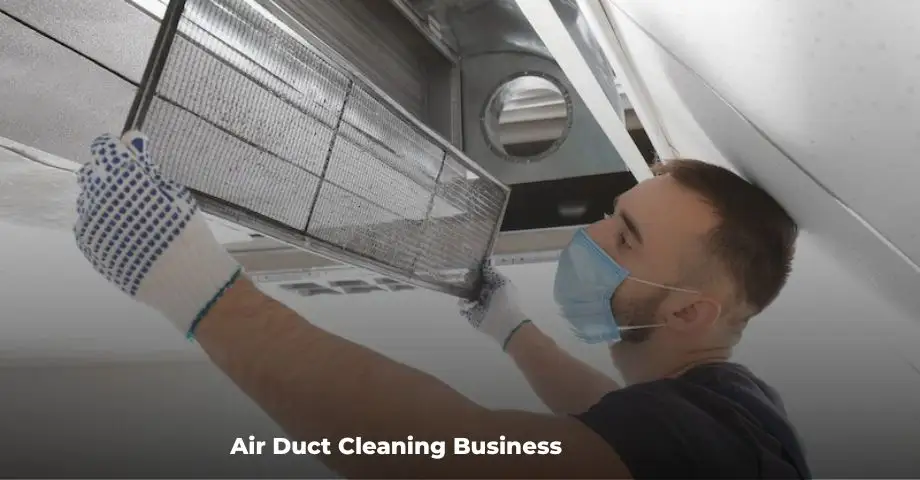
With increasing awareness about indoor air quality and energy efficiency, starting an air duct cleaning business in 2025 is a smart and profitable move. As homeowners and businesses prioritize clean air and health, this industry is growing rapidly. This complete guide covers every step to help you launch and grow your own air duct cleaning business in 2025.
In 2025, air duct cleaning demand is being shaped by stricter rental-property maintenance checks, increased respiratory allergy concerns, and the rising adoption of service-based home hygiene solutions across the UK. More businesses are also promoting camera-assisted duct inspections and non-toxic sanitisation options, helping new operators scale faster while building stronger local search visibility.
Why Start an Air Duct Cleaning Business in 2025?
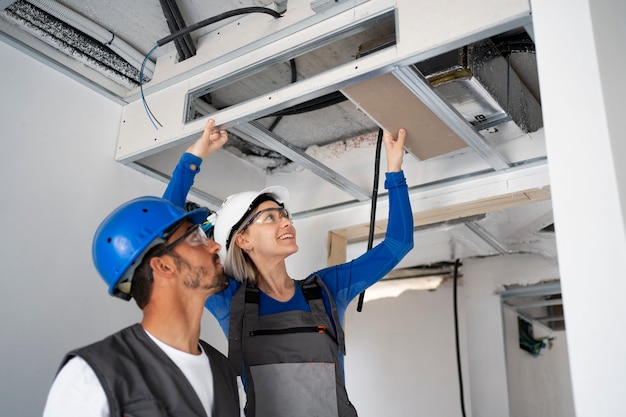
The air duct cleaning industry is gaining momentum due to increased focus on health and cleanliness. The global market is expected to hit $5.6 billion by 2031, growing at a 5.2% annual rate. Starting this business in 2025 is especially appealing because of its relatively low investment and high growth potential. It’s affordable, recession-resistant, and scalable. Entrepreneurs can start solo and expand over time by hiring a team and adding more service vehicles.
In 2025, customer demand is increasingly driven by allergies, fire-season soot buildup, and post-renovation HVAC cleaning requests, expanding the need beyond seasonal maintenance alone.
Step-by-Step Guide to Starting Your Air Duct Cleaning Business
Step 1: Understand the Industry
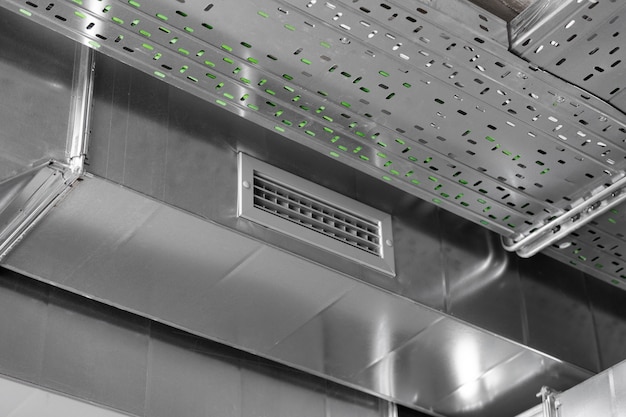
Before diving in, it’s crucial to understand how HVAC systems work and what customers expect. You can gain industry knowledge by:
- Watching YouTube tutorials on duct cleaning
- Reading online HVAC blogs
- Visiting trade expos and speaking to vendors
- Shadowing experienced duct cleaners
Understanding the differences between residential and commercial systems will also help you serve a wider range of clients effectively.
Step 2: Take a Certification Course (Recommended)

Although not always required, getting certified adds credibility and enhances your skills. Some good options include:
- NADCA (National Air Duct Cleaners Association) certification
- Online certification programs for duct cleaning
- Local workshops or community college training programs
Certification can also make your business stand out and allow you to charge more.
Step 3: Create a Business Plan

A clear and thorough business plan helps you stay on track. Include the following:
- Services you will offer (e.g., duct cleaning, dryer vent cleaning, mold removal)
- Target customer segment (residential or commercial)
- Pricing structure and packages
- Required equipment and vehicle expenses
- Break-even analysis and growth milestones
- Local and digital marketing strategy
This is a critical step, especially if you plan to apply for business funding.
Step 4: Register Your Business

Once you’ve finalized your business name, it’s time to make it official:
- Choose a business structure such as an LLC for legal protection
- Register your business name with the state
- Apply for an EIN from the IRS to open a business bank account and handle taxes
Make sure to check local requirements to complete all legal registrations.
Step 5: Get Licenses and Insurance

Licensing requirements vary based on location. You may need:
- A general business license
- An HVAC contractor’s license (in some states)
- General liability insurance
- Workers’ compensation insurance if hiring employees
Make sure your insurance coverage is active before starting any job to protect yourself and your clients.
Step 6: Purchase Equipment

Invest in professional-grade, durable tools. You’ll need:
- Negative air machine
- High-powered vacuum system
- Rotary brush system
- Inspection camera
- Air compressor
- Hand tools and duct hoses
Estimated equipment cost ranges from $6,000 to $12,000. Consider also:
- Robotic tools with cameras for quicker inspections
- Eco-friendly, non-toxic cleaning agents to appeal to health-conscious clients
Read Also: How to Start a Cabin Rental Business in 2025 – Step-by-Step Beginner’s Guide
Step 7: Build Your Brand and Online Presence

Your brand is what builds trust with customers. Focus on:
- Creating a clean and modern logo
- Launching a mobile-friendly website with service details and booking options
- Setting up your Google Business Profile
- Listing on Yelp, Angi, and Thumbtack
- Designing branded uniforms and vehicle decals
Professional branding helps customers feel confident in your services.
Step 8: Launch Your Marketing Plan

To get your first customers, implement targeted marketing strategies:
- Run Facebook and Google Ads focused on your local area
- Distribute flyers, door hangers, or postcards in residential neighborhoods
- Offer special promotions or first-time customer discounts
- Partner with HVAC companies, property managers, and realtors
- Encourage happy customers to leave reviews on Google and Yelp
These steps can build momentum quickly and establish your reputation in the local market.
Costs & Earnings Breakdown (2025)

Launching this business in 2025 is cost-effective compared to other startups. Here’s a breakdown:
Startup Costs:
- Equipment & tools: $6,000 – $12,000
- Vehicle (used or new van/truck): $8,000 – $20,000
- Licenses & insurance: $1,500 – $2,000
- Website & branding: $500 – $2,000
- Initial marketing & ads: $500 – $2,000
- Estimated Total: $15,000 – $35,000
Income Potential:
- Residential jobs typically earn $300–$700 each.
- Commercial projects can bring in $1,000 or more.
- Solo operators can earn $8,000–$20,000/month.
- With a team, yearly revenue can exceed $100,000–$480,000.
- Profit margins often exceed 50% once equipment is paid off.
Many 2025 operators are also adding service bundles such as winter furnace duct sanitization and summer AC post-pollen cleaning, allowing higher average order values without changing equipment setups.
Add-On Services to Boost Revenue
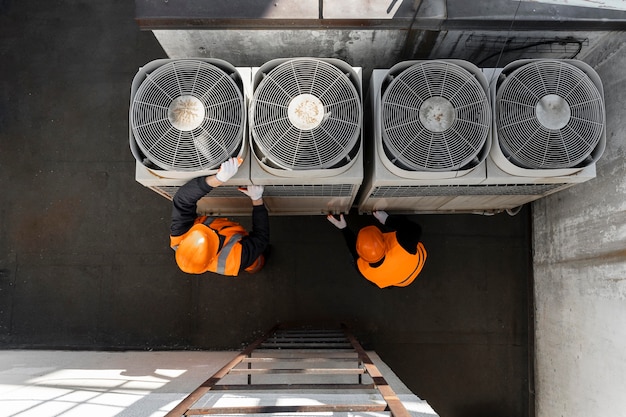
You can increase income by offering related services such as:
- Dryer vent cleaning
- HVAC inspections
- Mold remediation
- Air duct sanitization
- Maintenance plans for regular cleanings
These add-ons not only increase revenue but also help build long-term relationships with customers.
Industry Trends for 2025

Short-video marketing (TikTok, YouTube Shorts, Instagram Reels) is becoming a major lead source for local HVAC services in 2025, helping new duct-cleaning companies grow visibility faster without heavy budgets.
To stay ahead of the competition, follow these key trends:
- AI-Powered Diagnostics: Tools that monitor airflow and detect blockages quickly.
- Green Cleaning Products: Environmentally friendly supplies are in demand.
- Robotic Brushes: Faster and more efficient cleaning for hard-to-reach areas.
- Business Software: Use tools like ServiceTitan to schedule jobs, invoice clients, and track performance.
- Subscription Models: Offer monthly or quarterly plans at a discount to create recurring revenue.
Conclusion
Starting an air duct cleaning business in 2025 is a practical and profitable decision for aspiring entrepreneurs. With low initial investment, strong market demand, and the ability to grow and scale, this industry offers long-term potential. By following the steps in this guide, using smart marketing, and keeping up with industry trends, you can build a successful business that provides real value to your community. Whether you’re starting solo or planning to grow a full-service team, now is the perfect time to take the leap.
For entrepreneurs exploring service-led or rental business ideas in 2025, our How to Start a Cabin Rental Business in 2025 guide shares a similar low-investment, scalable startup model with strong SEO and local-marketing potential.
About Briton News
Briton News is an independent UK-focused digital publication delivering trustworthy, well-structured and SEO-driven content across key lifestyle and business categories. Our platform covers local travel guides, UK attractions, hospitality insights, restaurants, hotels, home services, and actionable business startup frameworks that help readers plan smarter and make informed decisions. We prioritise clarity, fact-supported writing, structured headings, and natural internal linking to maintain strong topical authority for search engines. Briton News is committed to providing value-first content for everyday explorers, families, entrepreneurs, and local service professionals as the UK moves into 2025 trends and consumer-intent driven searches.
FAQs
Do I need an HVAC license?
Not always. It depends on your state. Always check local regulations.
Can I start this business alone?
Yes! Many successful owners begin solo and hire help later.
How long does it take to get started?
With planning and preparation, you can launch in 30–60 days.
What are common beginner mistakes?
Avoid these pitfalls:
- Not checking local license laws
- Undercharging clients
- Skipping digital marketing