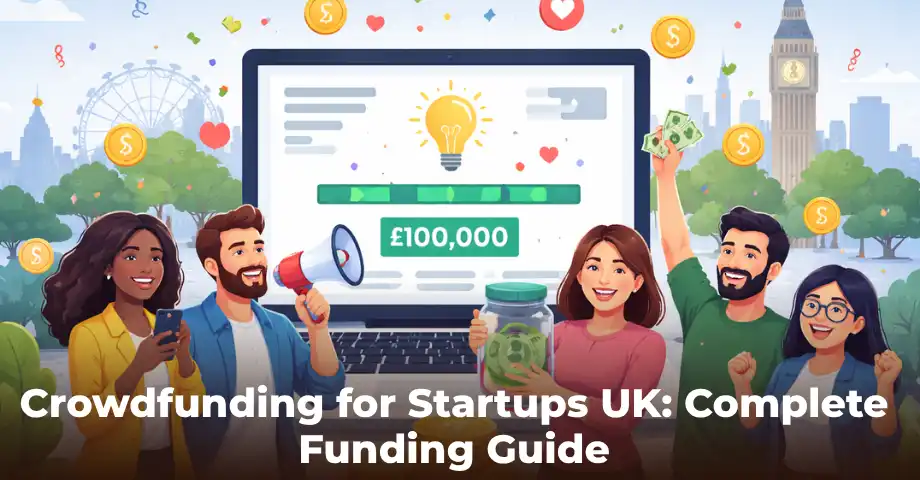
Imagine having a business idea that people genuinely love — so much that they are willing to fund it before it even launches. That is essentially the concept behind crowdfunding.
Over the past decade, crowdfunding for startups UK has become one of the most popular alternative funding methods for entrepreneurs. Instead of relying on banks or large investors, founders can raise money from a community of supporters through online platforms.
This approach has helped thousands of startups turn ideas into real businesses. From innovative gadgets to creative products and technology solutions, many companies have used crowdfunding to launch successfully.
The appeal is simple. Crowdfunding provides funding, builds early customer interest, and validates whether people actually want the product or service.
If you are planning to launch a startup in the UK, understanding how crowdfunding works can open the door to valuable funding opportunities.
What Crowdfunding Means for Startups
Crowdfunding allows entrepreneurs to raise money by collecting small contributions from a large number of people.
Instead of approaching one investor for a large amount of capital, founders present their idea to the public through a crowdfunding platform.
If people like the concept, they can choose to support the project financially.
These contributions may come from future customers, supporters of the idea, or investors looking for new opportunities.
The key advantage of crowdfunding is accessibility. Early-stage startups that struggle to secure traditional funding can still raise capital by presenting a compelling idea.
Many founders also find that crowdfunding campaigns help create an early community around their brand.
Why Many UK Startups Choose Crowdfunding
Traditional funding routes often create barriers for new businesses. Banks may require financial history, while venture capital investors usually look for high-growth companies with proven traction.
For early-stage founders, those requirements can be difficult to meet.
Crowdfunding offers a different path, alongside other startup funding alternatives in the UK that provide more flexible options.
Instead of convincing a small group of investors, entrepreneurs present their idea directly to potential supporters.
This approach offers several benefits.
- Access to funding without traditional loans
- Early validation of product demand
- Opportunity to build a loyal customer community
- Public exposure and marketing momentum
In many cases, a successful crowdfunding campaign does more than raise money — it also builds a strong foundation for future business growth.
How Startup Crowdfunding Works
The process of launching a crowdfunding campaign is relatively straightforward, but preparation plays a major role in success.
Most campaigns follow a similar structure.
First, the entrepreneur creates a campaign page on a crowdfunding platform. This page usually explains the product or business idea, the funding goal, and the timeline for the project.
Visual elements such as product photos, demonstration videos, or prototypes often help supporters understand the concept more clearly.
Once the campaign goes live, the founder begins promoting it to potential backers.
This promotion may involve social media, email newsletters, startup communities, and personal networks. Many founders also use strategies similar to finding startup investors in the UK to build early traction.
Supporters contribute funds during the campaign period. If the campaign reaches its funding goal, the startup receives the money and begins delivering the promised product or service.
Some platforms operate on an all-or-nothing model, meaning the funding is released only if the target amount is achieved.
Types of Crowdfunding Used by Startups
Crowdfunding is not a single funding model. In fact, there are several different approaches that startups can choose depending on their goals.
Reward-Based Crowdfunding
This is one of the most common forms used by startups launching new products.
Supporters contribute money in exchange for rewards rather than financial returns.
Rewards may include early access to the product, limited edition versions, or special perks for early supporters.
Reward crowdfunding works particularly well for consumer products, creative projects, and technology gadgets.
Equity Crowdfunding
Equity crowdfunding allows individuals to invest in a startup and receive shares in the business.
Instead of receiving rewards, contributors become shareholders.
This model is often used by startups seeking larger investments to support long-term growth.
According to British Business Bank, equity crowdfunding has become an important source of finance for UK startups.
Donation-Based Crowdfunding
Donation crowdfunding involves supporters contributing money without expecting financial returns.
This model is more commonly used by charities, social enterprises, or community projects.
However, some startups with strong social missions also use donation crowdfunding to support their initiatives.
Popular Crowdfunding Platforms for UK Startups
Several crowdfunding platforms help UK entrepreneurs raise capital.
Each platform focuses on slightly different funding models.
Kickstarter
Kickstarter is widely known for launching creative products and technology projects.
Many startups use the platform to fund their first production run while attracting early customers.
Indiegogo
Indiegogo offers flexible funding options and supports a wide range of startup ideas, from consumer products to innovative technology.
Crowdcube
Crowdcube is a leading equity crowdfunding platform in the UK.
Entrepreneurs can raise investment from individual investors who want to support early-stage businesses.
Seedrs
Seedrs allows startups to raise equity investment while handling legal and administrative aspects of shareholder management.
It has become a popular platform for UK technology startups seeking investment.
Benefits of Crowdfunding for Entrepreneurs
Crowdfunding offers several advantages beyond simply raising money.
One major benefit is market validation.
If a campaign receives strong support, it suggests that real demand exists for the product or service.
It also complements other alternative startup finance options in the UK, giving founders more flexibility in funding strategies.
Another advantage is early marketing exposure.
Crowdfunding campaigns often attract media attention and social media engagement, helping startups build brand awareness before the official launch.
Crowdfunding also helps entrepreneurs build relationships with early customers.
Supporters who contribute to a campaign frequently become long-term advocates for the brand.
Challenges of Running a Crowdfunding Campaign
While crowdfunding offers exciting opportunities, it is not always easy.
Successful campaigns require planning, preparation, and consistent promotion.
One common challenge is visibility.
Thousands of crowdfunding campaigns compete for attention, which means startups must work hard to stand out.
Another challenge is meeting expectations.
Once a campaign is funded, supporters expect the product or project to be delivered as promised.
Understanding the differences between crowdfunding vs venture capital in the UK can help founders choose the right funding path and manage expectations effectively.
Delays or production issues can create frustration among backers.
For this reason, realistic planning and transparent communication are essential during and after the campaign.
Tips for Launching a Successful Crowdfunding Campaign
- Build an audience before launching the campaign
- Create a clear and engaging campaign story
- Use high-quality visuals or demonstration videos
- Set realistic funding goals
- Promote the campaign through multiple channels
Many founders begin building interest months before their campaign launches by sharing product updates and gathering feedback from potential supporters.
In some cases, combining crowdfunding with methods like peer-to-peer lending for startups in the UK can provide additional financial support.
The Growing Importance of Crowdfunding in the UK Startup Ecosystem
The UK has one of the most developed crowdfunding markets in Europe.
Financial technology platforms have made it easier for entrepreneurs to connect with supporters and investors online.
As the startup ecosystem continues to expand across cities such as London, Manchester, and Bristol, crowdfunding is expected to remain an important funding option.
For many founders, it serves as an entry point into broader startup capital strategies that support long-term growth.
Conclusion
Crowdfunding has changed the way many startups raise capital.
Instead of relying only on banks or venture capital, entrepreneurs can now connect directly with communities who believe in their ideas.
Crowdfunding for startups UK offers a flexible funding approach that combines capital, marketing exposure, and early customer engagement.
While running a successful campaign requires effort and preparation, it can help transform a simple idea into a fully launched business.
For many modern entrepreneurs, crowdfunding represents the first major step in building a successful startup.
Author Bio
Our editorial team researches and writes about business, startups, finance, and entrepreneurship. The goal is to provide clear, practical, and well-researched content that helps readers understand complex topics and make informed decisions.
Disclaimer
This article is for informational purposes only and does not constitute financial or investment advice. Startup funding decisions involve risks. Readers should conduct independent research or consult professional advisors before making financial decisions.
FAQs
1. What is crowdfunding for startups in the UK?
Crowdfunding allows startups to raise capital by collecting small contributions from many supporters through online platforms.
2. Which crowdfunding platforms are popular in the UK?
Popular platforms include Kickstarter, Indiegogo, Crowdcube, and Seedrs.
3. Can startups raise investment through crowdfunding?
Yes. Equity crowdfunding allows individuals to invest in startups and receive shares in the business.
4. Is crowdfunding suitable for all types of startups?
Crowdfunding works best for product-based businesses, technology startups, and creative projects that can attract public interest.
5. How much money can startups raise through crowdfunding?
Funding amounts vary widely. Some startups raise a few thousand pounds, while others raise millions through equity crowdfunding platforms.