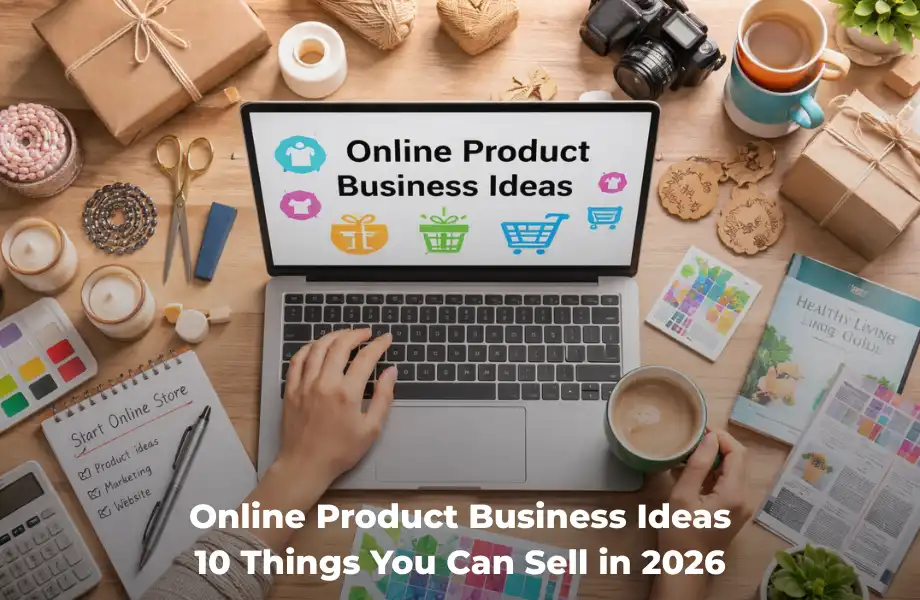
Not every online business is based on services. Many successful entrepreneurs focus on selling products through digital platforms. With the growth of e-commerce, social media marketplaces, and global shipping networks, launching a product-based business has become easier than ever. That is why online product business ideas are attracting both beginners and experienced founders.
Across the UK, thousands of entrepreneurs run profitable online stores from home. Some sell handmade goods, others build digital brands, and many create products designed for specific niche audiences. The advantage of product-based businesses is simple: once the product and system are established, sales can grow quickly with effective marketing.
For aspiring entrepreneurs exploring the digital economy, choosing the right online product business ideas can open the door to scalable income and long-term brand development.
Below are ten practical product ideas you can sell online in 2026.
Why Product-Based Online Businesses Are Growing
E-commerce continues to expand rapidly in the UK. Consumers are comfortable purchasing products online, and new marketplaces allow small brands to compete with larger companies.
Several factors are driving interest in online product business ideas.
E-commerce Platforms Are Easy to Use
Modern website builders allow entrepreneurs to create online stores without advanced technical knowledge.
Global Shipping Is Accessible
Logistics companies make it easier to deliver products internationally.
Social Media Marketing Drives Sales
Platforms such as Instagram, TikTok, and YouTube allow small brands to reach large audiences.
Reports on entrepreneurship and digital commerce frequently discussed on Briton News highlight how online product businesses are becoming one of the fastest-growing startup models.
10 Online Product Business Ideas to Sell in 2026
1. Print-on-Demand Apparel
Custom clothing is one of the most popular online product categories.
How it works
Entrepreneurs create unique designs for products such as:
- t-shirts
- hoodies
- hats
Products are printed and shipped by suppliers only after customers place orders.
For example, a designer in Manchester might create apparel targeting specific hobbies or communities.
Startup cost
£200–£700.
Profit potential
£500–£5,000+ monthly depending on sales.
Best suited for
- designers
- creative entrepreneurs
Practical tip
Focus on niche audiences rather than general fashion designs.
2. Handmade Crafts
Handmade products attract customers who appreciate unique items.
How it works
Entrepreneurs create and sell products such as:
- candles
- jewellery
- home décor
For example, a craft maker in Leeds might sell handmade scented candles online.
Startup cost
£200–£1,000.
Profit potential
£500–£4,000 monthly depending on demand.
Best suited for
- craft enthusiasts
- creative entrepreneurs
Practical tip
Develop a strong brand story around the products.
3. Digital Templates
Digital products require no inventory and can be sold repeatedly.
How it works
Entrepreneurs sell templates for:
- resumes
- presentations
- business documents
- social media graphics
A designer in London might sell professional resume templates for job seekers.
Startup cost
£50–£200.
Profit potential
£200–£3,000 monthly depending on downloads.
Best suited for
- designers
- professionals with technical skills
Practical tip
Create templates that solve common problems for users.
4. Online Art Prints
Artists can sell digital or physical prints of their artwork.
How it works
Art prints can be sold through personal websites or marketplaces.
For example, an illustrator in Bristol might sell prints of nature-themed artwork.
Startup cost
£100–£500.
Profit potential
£200–£3,000 monthly depending on audience size.
Best suited for
- artists
- illustrators
Practical tip
Promote artwork consistently on social media platforms.
5. E-books
Digital books are one of the simplest online products to create and sell.
How it works
Authors publish guides or educational books in digital format.
Examples include:
- business guides
- fitness plans
- travel guides
A fitness coach in Birmingham might sell an e-book explaining workout routines.
Startup cost
£50–£200.
Profit potential
£100–£5,000 monthly depending on sales.
Best suited for
- writers
- coaches
Practical tip
Focus on topics with clear demand.
6. Niche Subscription Boxes
Subscription boxes deliver curated products to customers regularly.
How it works
Entrepreneurs package themed items such as:
- beauty products
- snacks
- hobby supplies
For instance, a business in Nottingham might create a monthly tea subscription box.
Startup cost
£1,000–£5,000.
Profit potential
£2,000–£20,000 monthly depending on subscribers.
Best suited for
- product curators
- entrepreneurs with marketing skills
Practical tip
Focus on specific niche interests.
7. Personalised Gifts
Custom products are popular for birthdays, weddings, and special occasions.
How it works
Entrepreneurs create personalised items such as:
- engraved jewellery
- custom mugs
- photo frames
A seller in Liverpool might offer personalised wedding gifts.
Startup cost
£300–£1,500.
Profit potential
£500–£5,000 monthly depending on orders.
Best suited for
- designers
- craft makers
Practical tip
Offer fast delivery options for special occasions.
8. Online Photography Sales
Photographers can sell images through online marketplaces.
How it works
Images are licensed for commercial use by businesses.
For example, a photographer in Cambridge might sell travel photography for advertising campaigns.
Startup cost
£300–£1,500 depending on equipment.
Profit potential
£100–£5,000 monthly depending on portfolio size.
Best suited for
- photographers
- creative professionals
Practical tip
Upload images regularly to build a larger portfolio.
9. Educational Workbooks
Educational resources are always in demand.
How it works
Entrepreneurs create workbooks for:
- children’s learning
- exam preparation
- professional development
A teacher in London might design study guides for GCSE students.
Startup cost
£50–£300.
Profit potential
£200–£3,000 monthly depending on sales.
Best suited for
- teachers
- educators
Practical tip
Focus on subjects where students need extra support.
10. Mobile App Products
Mobile applications are digital products that can scale globally.
How it works
Apps can generate income through subscriptions, advertising, or premium features.
For example, a developer in Edinburgh might build a productivity app for freelancers.
Startup cost
£2,000–£20,000 depending on development.
Profit potential
£1,000–£100,000+ monthly depending on users.
Best suited for
- developers
- technology entrepreneurs
Practical tip
Solve a specific problem rather than building a general-purpose app.
Startup Cost Comparison
| Product Business | Startup Cost | Income Potential |
| Print-on-Demand | £200–£700 | £500–£5k+/month |
| Handmade Crafts | £200–£1k | £500–£4k/month |
| Digital Templates | £50–£200 | £200–£3k/month |
| Art Prints | £100–£500 | £200–£3k/month |
| E-books | £50–£200 | £100–£5k/month |
| Subscription Boxes | £1k–£5k | £2k–£20k/month |
| Personalised Gifts | £300–£1.5k | £500–£5k/month |
| Photography Sales | £300–£1.5k | £100–£5k/month |
| Educational Workbooks | £50–£300 | £200–£3k/month |
| Mobile Apps | £2k–£20k | £1k–£100k+/month |
Challenges of Online Product Businesses
Although online product business ideas offer strong growth potential, entrepreneurs should understand certain challenges.
Inventory Management
Physical products require careful planning to avoid overstock or shortages.
Marketing Costs
Product businesses often rely heavily on advertising and promotion.
Customer Service
Managing orders, returns, and enquiries requires time and organisation.
Practical Steps to Start an Online Product Business
Starting a product-based online business requires careful planning.
Choose a Product Niche
Focus on a specific audience or interest group.
Create an Online Store
Use e-commerce platforms to showcase products.
Register Your Business
Many UK entrepreneurs register as:
- sole traders
- limited companies through Companies House
This ensures compliance with HMRC tax regulations.
Promote the Brand
Use social media, content marketing, and influencer collaborations to attract customers.
Conclusion: Online Product Business Ideas Offer Scalable Opportunities
Product-based online businesses continue to grow as more consumers shop digitally. With creative ideas, strong branding, and effective marketing, online product business ideas can develop into highly successful ventures.
From digital products like templates and e-books to physical goods such as apparel and personalised gifts, the possibilities are extensive. Entrepreneurs who focus on niche audiences and deliver high-quality products have the potential to build brands that scale globally.
For individuals looking to start an e-commerce venture in 2026, product-based online businesses remain one of the most promising opportunities in the digital economy.
FAQs
What are online product businesses?
Online product businesses sell physical or digital products through online platforms such as websites and marketplaces.
Which online products are most profitable?
Digital products such as courses, templates, and apps often have high profit margins because they require no inventory.
Do I need inventory to start an online product business?
Not always. Models such as print-on-demand allow entrepreneurs to sell products without holding inventory.
How much money is needed to start an online product business?
Startup costs vary widely, from under £100 for digital products to several thousand pounds for physical product businesses.
Can beginners start online product businesses?
Yes. Many entrepreneurs begin with simple products such as digital downloads, custom merchandise, or handmade crafts.
Author Bio
The Briton News Editorial Team researches digital entrepreneurship trends, emerging online business models, and startup opportunities across the UK, helping readers discover practical ways to launch successful ventures.
Disclaimer
This article is intended for informational purposes only. Business costs and income potential may vary depending on market conditions and individual effort. If you notice outdated information or wish to suggest corrections, please contact the Briton News editorial team.