
For decades, getting a business loan usually meant one thing — sitting across a desk from a bank manager and hoping the numbers looked convincing.
For many modern startups, that route simply doesn’t work. New businesses often lack financial history, collateral, or the kind of records traditional lenders expect.
This gap is exactly why peer-to-peer lending for startups UK has become an increasingly popular funding option.
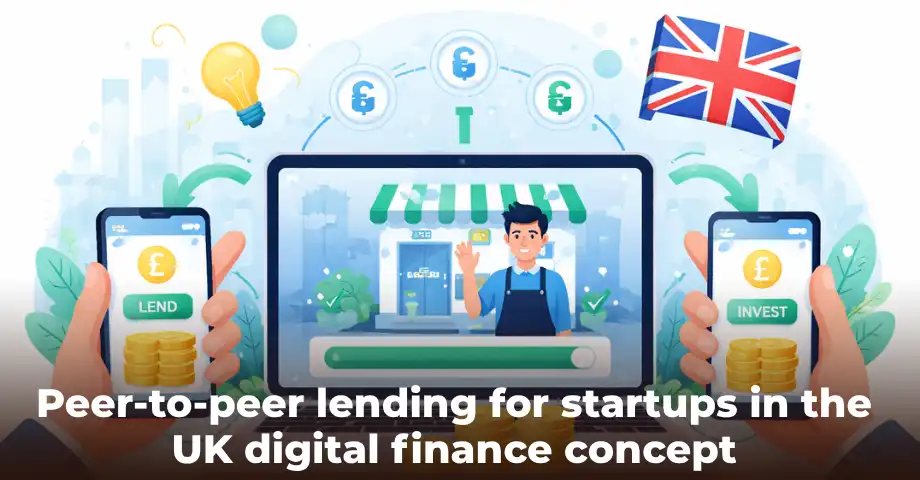
Instead of borrowing from a single bank, startups can now access loans from a network of individual lenders through online platforms. These lenders may contribute small amounts that combine to fund the entire loan.
The idea is surprisingly simple but powerful. Technology connects businesses that need capital with people willing to lend it.
For entrepreneurs who need funding but want to avoid traditional banking hurdles, peer-to-peer lending offers a practical alternative. It also sits alongside other startup funding alternatives in the UK that founders increasingly explore.
Understanding Peer-to-Peer Lending
Peer-to-peer lending, often shortened to P2P lending, is a financial model that connects borrowers directly with lenders using digital platforms.
Instead of going through banks or traditional financial institutions, businesses request loans through online marketplaces designed specifically for lending.
These platforms evaluate the borrower’s financial profile, assign a risk level, and then present the opportunity to potential lenders.
Multiple lenders may contribute smaller amounts toward the loan until the requested funding target is reached.
Once the funding is complete, the startup receives the capital and begins repaying the loan through regular instalments.
The process feels very different from traditional lending. Rather than dealing with one large institution, startups interact with a distributed network of investors.
Why Startups Are Exploring Peer-to-Peer Lending
Many founders discover peer-to-peer lending when traditional funding options fall short.
Early-stage businesses often struggle to secure bank loans because they lack a long credit history or valuable collateral.
Peer-to-peer platforms approach lending differently.
While financial checks still exist, these platforms often focus on broader factors such as projected business performance, creditworthiness, and repayment potential.
This creates opportunities for startups that might otherwise find it difficult to obtain funding, especially when compared to more traditional routes like finding startup investors in the UK.
Another reason entrepreneurs consider peer-to-peer lending is speed. In many cases, the application process and approval timeline can be faster than traditional banking procedures.
For businesses that need working capital quickly, this speed can make a significant difference.
How Peer-to-Peer Lending Platforms Work
The basic process behind peer-to-peer lending platforms is fairly straightforward.
A startup begins by submitting an application through an online platform. This usually includes information about the business, financial records, and the amount of funding required.
The platform then evaluates the application and assigns a risk rating.
This rating helps lenders understand the level of risk associated with the loan.
Once approved, the loan request appears on the platform’s marketplace where individual lenders can review it.
Some lenders may contribute a small amount such as £50 or £100, while others may invest larger amounts.
When the combined contributions reach the requested loan value, the funding is released to the business.
The borrower then repays the loan over an agreed period, usually through monthly payments that include interest.
Popular Peer-to-Peer Lending Platforms in the UK
The UK has developed one of the most active peer-to-peer lending markets in Europe.
Several platforms connect businesses with lenders looking for investment opportunities.
Funding Circle
Funding Circle is one of the best-known peer-to-peer lending platforms for small businesses.
It allows businesses to borrow funds from individual and institutional investors through a streamlined online process.
RateSetter
RateSetter has historically focused on consumer and business lending through a peer-to-peer model that connects borrowers with investors.
Zopa
Zopa was one of the earliest peer-to-peer lending platforms launched in the UK and helped popularise the concept of marketplace lending.
According to the British Business Bank, alternative lending platforms such as peer-to-peer lenders have become a growing part of the UK’s small business finance ecosystem.
Advantages of Peer-to-Peer Lending for Startups
Peer-to-peer lending offers several benefits that make it appealing to startups.
One of the most noticeable advantages is accessibility.
Startups that struggle to obtain traditional loans may find peer-to-peer platforms more approachable.
Another advantage is flexibility.
Many platforms offer a range of loan sizes and repayment terms, allowing businesses to choose funding structures that match their financial situation.
The online application process is also typically more streamlined compared to traditional banks.
In addition, peer-to-peer lending platforms often provide transparency for both borrowers and lenders.
Lenders can see information about the businesses they are supporting, while startups understand the terms of their funding clearly.
Potential Risks and Considerations
While peer-to-peer lending provides useful opportunities, it is not without risk.
Borrowers still need to repay the loan with interest, regardless of how the business performs.
If repayments become difficult, the business could face financial pressure.
Interest rates may also vary depending on the perceived risk of the borrower.
Startups with limited financial history may face higher interest rates compared to established businesses.
It is important for founders to carefully review the loan terms and ensure they have a realistic repayment plan before accepting funding, particularly when comparing options like crowdfunding vs venture capital in the UK.
When Peer-to-Peer Lending Makes Sense for a Startup
Peer-to-peer lending works best in situations where a business needs capital but prefers not to give away equity.
Many entrepreneurs use this funding method to support:
- business expansion
- inventory purchases
- equipment investments
- short-term working capital
Startups that already generate revenue may find peer-to-peer lending particularly useful because regular income makes loan repayments easier to manage. In some cases, founders may also combine this with funding from private investors for UK startups to diversify their capital sources.
For businesses that need a clear and structured loan rather than investment, this model can be a practical solution.
The Future of Peer-to-Peer Lending in the UK
Peer-to-peer lending has grown rapidly since its introduction in the early 2000s.
Financial technology has made it easier for borrowers and lenders to connect directly through digital platforms.
This shift has helped create new funding opportunities for startups that might previously have struggled to access capital.
As fintech innovation continues, peer-to-peer lending is likely to remain an important part of the alternative finance landscape in the UK.
For many entrepreneurs, it represents a modern and flexible way to finance business growth.
Conclusion
Accessing startup funding has traditionally been one of the biggest challenges for new businesses.
Peer-to-peer lending has introduced a different approach by connecting entrepreneurs directly with lenders through online platforms.
Peer-to-peer lending for startups UK offers a flexible alternative to traditional bank loans while giving investors the opportunity to support growing businesses.
For founders who need capital but want to avoid the complexity of traditional banking systems, this funding model can provide a practical and accessible solution.
Author Bio
Our editorial team researches and writes about business, startups, finance, and entrepreneurship. The goal is to provide clear, practical, and well-researched content that helps readers understand complex topics and make informed decisions.
Disclaimer
This article is for informational purposes only and does not constitute financial or investment advice. Startup funding decisions involve risk. Readers should conduct independent research or consult professional advisors before making financial decisions.
FAQs
1. What is peer-to-peer lending for startups?
Peer-to-peer lending allows startups to borrow money directly from individual lenders through online platforms rather than traditional banks.
2. Is peer-to-peer lending available in the UK?
Yes, several platforms in the UK connect businesses with lenders who are willing to fund loans.
3. Do startups need good credit for peer-to-peer loans?
Most platforms still review credit history, but requirements may be more flexible than traditional bank loans.
4. How much can startups borrow through peer-to-peer lending?
Loan amounts vary depending on the platform, but businesses may borrow from a few thousand pounds to several hundred thousand pounds.
5. Is peer-to-peer lending safe for startups?
Peer-to-peer lending can be safe when used responsibly, but borrowers must ensure they can meet repayment obligations.