Waste is one of those things most people don’t notice until something goes wrong. A bin overflowing on the high street, rubbish piling up after a busy weekend, or recycling that never seems to be collected on time. Across the UK, managing waste has become more complicated as towns grow, lifestyles change, and expectations rise. That’s why more people are now asking a simple but important question: what is smart waste management technology, and why is it being talked about so much?
Smart waste management technology isn’t about futuristic robots or completely automated cities. At its core, it’s about using information and technology to manage waste more sensibly. This article explains what it means, how it differs from traditional waste collection, and why it’s becoming increasingly relevant in the UK — without jargon or hype.
What Is Smart Waste Management Technology?
Smart waste management technology refers to the use of digital systems and data to improve how waste is monitored, collected, and managed. Instead of relying purely on fixed schedules and manual checks, smart systems help waste services understand what is actually happening on the ground.
In simple terms, it allows waste managers to know:
- Which bins are full
- Which areas need attention
- Where collections are being wasted
- When action is genuinely required
Traditional waste management often works on routine: bins are emptied on set days whether they are full or not. Smart waste management aims to move away from guesswork and towards informed decisions.
It doesn’t replace existing systems overnight. Instead, it adds a layer of awareness that helps services respond more effectively.
Why Traditional Waste Management Is Struggling
Traditional waste management has served the UK well for many years, but modern pressures have exposed its limits.
Some common challenges include:
- Overflowing bins in busy areas
- Unnecessary collections of half-empty bins
- Missed collections during peak times
- Rising fuel and operational costs
- Difficulty managing recycling properly
Town centres, transport hubs, parks, and housing developments all produce waste at different rates. A one-size-fits-all collection schedule doesn’t always reflect reality. This can lead to inefficiency, frustration, and environmental concerns.
Smart waste management technology exists because waste patterns are no longer predictable.
How Smart Waste Management Is Different
The main difference between traditional and smart waste management lies in how decisions are made.
Traditional systems are:
- Time-based
- Reactive
- Fixed in their routes and schedules
Smart systems are:
- Data-driven
- Proactive
- Flexible and responsive
Instead of waiting for a problem to appear, smart systems aim to spot issues early. For example, if bins in a busy area are filling faster than expected, action can be taken before overflow occurs.
This shift from routine to responsiveness is what makes smart waste management more effective in modern environments.
Key Components of Smart Waste Management Technology
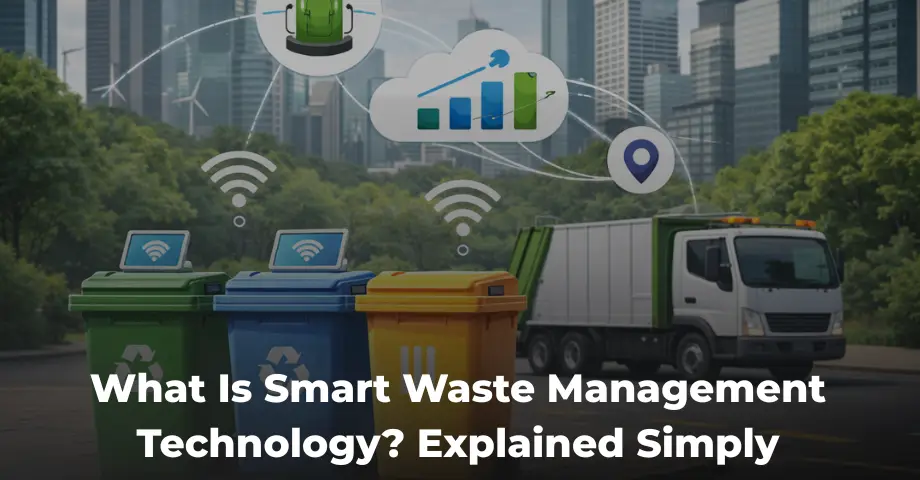
Smart waste management is not a single piece of equipment. It’s a combination of tools working together.
Smart bins
These bins are fitted with simple monitoring tools that track how full they are. From the outside, they often look no different from ordinary bins.
Sensors
Sensors detect changes such as fill levels or unusual conditions. This information helps identify when bins need attention.
Data systems
Information collected from bins is analysed to highlight patterns, busy areas, and inefficiencies.
Communication networks
These allow information to be shared with waste management teams so decisions can be made quickly.
The technology supports human judgement rather than replacing it.
Where Smart Waste Management Technology Is Used
Smart waste management is most useful in places where waste levels change frequently.
In the UK, this often includes:
- City centres
- Shopping areas
- Public parks
- Train stations
- Tourist destinations
- Residential developments
- Large public events
In these locations, waste can build up quickly and unpredictably. Smart systems help manage this variability without relying solely on fixed schedules.
How Smart Waste Management Helps in Everyday Life
For the public, the impact of smart waste management is often subtle but important.
It can mean:
- Cleaner streets
- Fewer overflowing bins
- Better recycling outcomes
- Less disruption from collection vehicles
For waste services, it can mean:
- More efficient routes
- Reduced fuel use
- Better planning
- Improved service reliability
The aim is not perfection, but consistency and improvement.
The Role of Data in Smart Waste Management
One of the biggest advantages of smart waste management technology is access to data.
Over time, data helps answer questions such as:
- Which areas produce the most waste?
- When does waste build up fastest?
- Where are collections being wasted?
- How can routes be improved?
This information allows waste services to plan more intelligently rather than relying on assumptions. In the long term, this can lead to better use of resources and more reliable services.
Is Smart Waste Management the Same as Smart City Technology?
Smart waste management is often mentioned alongside smart cities, but they are not the same thing.
Smart city technology covers a wide range of systems, including transport, energy, lighting, and infrastructure. Waste management is just one part of that wider picture.
Importantly, smart waste management does not require a fully “smart” city to be useful. It can be implemented independently and gradually, depending on local needs.
Common Misunderstandings About Smart Waste Management
There are a few myths that often cause confusion.
“It replaces workers”
Smart waste management supports workers by giving them better information. It doesn’t remove the need for people on the ground.
“It’s fully automated”
Most systems still rely on human decision-making. Technology helps guide those decisions, not make them alone.
“It only works in big cities”
While cities benefit greatly, smaller towns and communities can also use smart waste management to deal with variable waste patterns.
Understanding these points helps keep expectations realistic.
Challenges and Limitations
Like any system, smart waste management has limitations.
Potential challenges include:
- Infrastructure requirements
- Connectivity issues in some areas
- The need for gradual adoption
- Training and adaptation
It’s not a quick fix, and it doesn’t solve every waste problem on its own. Success depends on applying technology where it makes sense and integrating it properly with existing systems.
Is Smart Waste Management Technology Right for the UK?
In many parts of the UK, smart waste management technology aligns well with current challenges.
Urban density, changing consumption habits, and environmental pressures all point towards the need for more responsive waste management. Smart systems offer a way to improve efficiency without completely overhauling existing services.
However, adoption should be practical rather than rushed. Technology works best when it solves real problems, not when it’s introduced for its own sake.
Final Thoughts
So, what is smart waste management technology in real terms? It’s a modern approach that uses information to manage waste more effectively. By improving visibility and flexibility, it helps reduce inefficiency, improve cleanliness, and support better planning.
For the UK, smart waste management technology is less about futuristic ideas and more about dealing sensibly with everyday challenges. Understanding what it is and how it works is the first step. From there, it becomes easier to explore how these systems operate in practice and what benefits they can realistically deliver over time.
Frequently Asked Questions (FAQ)
What is smart waste management technology in simple terms?
Smart waste management technology uses digital tools and data to monitor waste levels and improve how rubbish is collected. It helps waste services know when and where collection is needed, rather than relying only on fixed schedules.
How does smart waste management technology work?
It works by using sensors and monitoring systems to track waste levels in bins. This information is analysed and used to plan collections more efficiently, reducing overflow and unnecessary trips.
Why is smart waste management important?
Smart waste management is important because it helps reduce overflowing bins, improves cleanliness in public areas, and makes waste collection more efficient, especially in busy towns and cities.
Is smart waste management technology used in the UK?
Yes, smart waste management technology is increasingly used in parts of the UK, particularly in city centres, public spaces, and areas with high footfall where waste levels change quickly.
Does smart waste management replace waste collection workers?
No. Smart waste management technology supports workers by providing better information. It helps them plan and prioritise collections but does not replace human involvement.
Is smart waste management part of smart city technology?
Smart waste management is often part of wider smart city initiatives, but it can also be used on its own. A city does not need to be fully “smart” to benefit from smarter waste systems.
What are the main benefits of smart waste management technology?
The main benefits include cleaner streets, fewer overflowing bins, more efficient waste collection, reduced fuel use, and better planning based on real data.
Are there any disadvantages to smart waste management technology?
Some challenges include the need for proper infrastructure, reliable connectivity, and gradual implementation. It is not a quick fix and works best when introduced thoughtfully.
Is smart waste management suitable for small towns?
Smart waste management can be useful in smaller towns, particularly in busy areas or places where waste patterns vary. However, it may be adopted more gradually compared to large cities.
What should someone learn after understanding smart waste management technology?
After understanding what smart waste management technology is, the next step is learning how these systems work in practice and how they are applied in real-world environments.