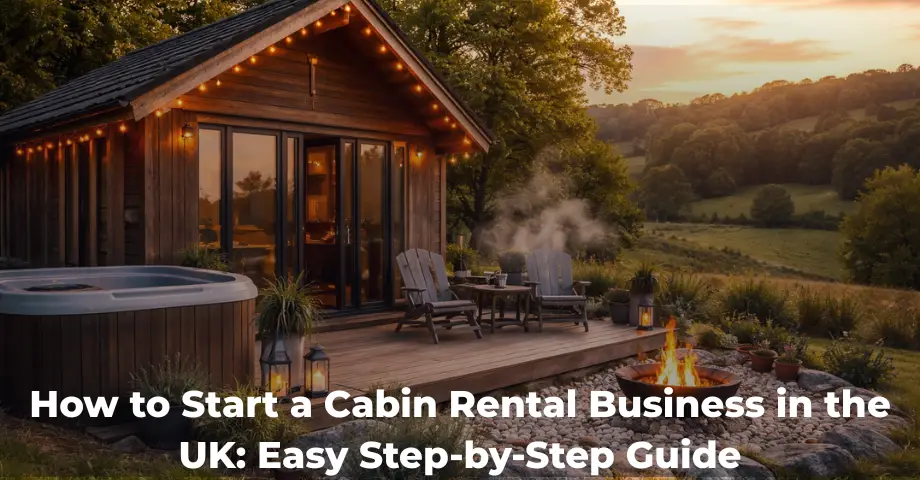
Over the last few years, the way people holiday in the UK has changed — and not just a little bit.
Instead of chasing cheap flights and crowded resorts, many people now type something very specific into Google: “quiet countryside stay near me.”
They’re not really looking for accommodation anymore. They’re looking for escape.
That single change in behaviour is why the cabin rental business has quietly become one of the most practical small hospitality ventures in Britain. Couples want weekend retreats, city workers want digital detox breaks, and families want something more memorable than another identical hotel corridor.
But before you picture guests sitting outside your wooden lodge drinking tea at sunset, the important questions come first:
Is a cabin rental actually profitable?
What does it cost to start?
And are the rules complicated?
Let’s go through it properly — realistically, not romantically.
What a Cabin Rental Business Really Is
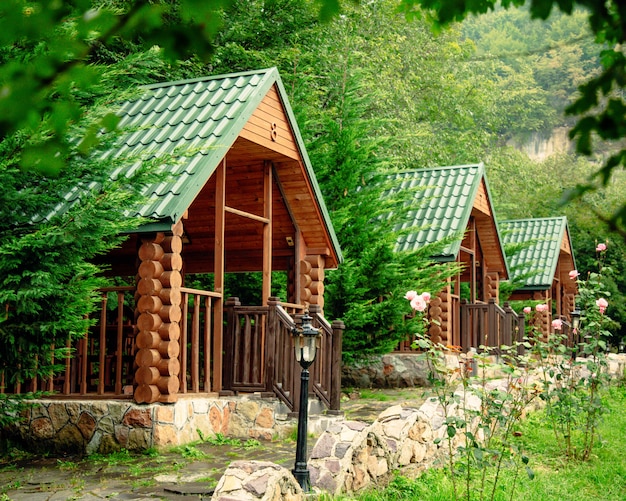
A cabin rental business is a type of short-term holiday accommodation where guests book stays by the night rather than signing long-term tenancy agreements. Unlike a standard buy-to-let, income depends on bookings rather than rent collection.
You are essentially running a very small hospitality business — part property investment, part guest experience.
Some owners treat it as a side income alongside a full-time job, while others expand into multiple units. Both approaches can work, but the first cabin is always the learning stage.
Quick Takeaways:
- Cabins are self-contained units often in nature-filled destinations
- Flexible design: from rustic to luxury, solo to group stays
- Guests: couples, families, digital nomads, adventure travelers
- Most bookings are for 2–5 nights, but extended stays are rising due to remote work
- Common features include outdoor decks, firepits, local maps, and smart locks
Explore More: Stark VARG Finance in the UK: 2025 Guide to Monthly Payments, Deals & How to Apply
Is a Cabin Rental Business Profitable in the UK?
The honest answer: yes — but only if people actually book it.
Many beginners assume size equals income. In practice, occupancy determines everything. A small attractive cabin with strong demand will outperform a large expensive one sitting empty.
Typical cabin rental income UK figures in 2025 look like this:
| Metric | Typical UK Range |
|---|---|
| Average nightly rate UK holiday let | £90 – £220 |
| Weekend peak price | £250+ |
| Holiday let occupancy rate | 40% – 75% annually |
To make that clearer, imagine a modest woodland cabin priced at £150 per night.
If it books 16 nights per month:
-
Monthly revenue: £2,400
-
Costs (cleaning, utilities, booking fees): ~£700
-
Approx monthly profit: £1,700
That’s just over £20,000 per year from one unit.
This is why many people now consider it a passive income property UK option — although the “passive” part only really applies once systems are running smoothly.
At the beginning, you’ll absolutely answer messages about Wi-Fi passwords at 10:47pm.
Startup Costs & Investment Breakdown

This is where expectations often go wrong.
People assume they need luxury lodge park levels of investment. You don’t.
The cabin rental startup cost varies mostly depending on land ownership.
A realistic UK starter setup:
-
Small land plot or lease: £15,000 – £80,000
-
Prefabricated or timber build (build vs buy cabin UK): £25,000 – £70,000
-
Groundwork & utilities: £5,000 – £20,000
-
Holiday let furnishing costs: £3,000 – £8,000
-
Insurance & setup: £500+
So the practical starting investment usually lands between £45,000 and £120,000.
Many successful hosts begin by placing a single cabin on farmland, large gardens, or unused property corners. Expansion comes after demand is proven.
Ongoing Monthly Costs
Expect about 25–35% of revenue to go toward running the property:
-
Cleaning turnover
-
Laundry
-
Electricity & heating
-
Booking platform fees
-
Maintenance
It’s not hands-off, but it is manageable — especially with a local cleaner.
Legal Requirements & Permissions in the UK
This is the part most people worry about, often unnecessarily. The rules aren’t difficult — they just need attention.
UK short term rental laws depend mainly on how often you let the property.
Planning Permission Holiday Let Rules
You usually need planning permission if the cabin becomes a full-time commercial accommodation rather than occasional use.
However, each council interprets this slightly differently, so always check locally before building. A five-minute call can save a five-figure mistake.
Business Rates vs Council Tax
Holiday lets normally move to business rates if they are:
-
Available for 140+ days per year
-
Actually let for 70+ days
This often works in your favour because small business rate relief may apply.
Safety & Compliance
You will need:
-
Fire safety assessment
-
Electrical and gas certificates
-
EPC rating
-
Holiday let insurance UK
Not glamorous — but essential. Problems in hospitality rarely come from guests; they come from inspections.
Choosing the Best Location for a Cabin Rental
Location matters far more than decoration.
Guests booking rural accommodation don’t want convenience. They want distance from everyday life.
The best locations for holiday lets UK wide usually share one thing: emotional appeal.
Popular areas include:
-
Near national parks
-
Woodland settings
-
Lakeside plots
-
Coastal countryside
-
Within two hours of cities
Current rural tourism trends UK show short nature breaks outperform long stays. People now take more frequent mini-holidays rather than one long annual trip.
What actually makes guests book?
Privacy.
Views.
Quiet surroundings.
A small cabin overlooking fields often earns more than a luxury one facing a car park
Step 1: Why Market Research Matters

Understanding demand before you build is key. Market research helps you avoid costly mistakes by targeting areas with high traveler interest and low competition. It also gives insight into guest preferences so you can create a more attractive rental.
Tips:
- Use tools like AirDNA, Mashvisor, or AllTheRooms for rental demand and competition insights
- Trending cabin locations in 2025: Lake Tahoe, Blue Ridge, Smoky Mountains
- Smart tip: Study 3-star reviews for clues on what to improve
- Check seasonal trends—some areas see double bookings in summer but drop in winter
- Research state and county zoning laws during location scouting
Step 2: Plan for Profit, Not Just Passion

A smart business plan ensures your cabin venture is financially viable from day one. It includes budgeting, pricing, revenue forecasting, and management decisions.
Estimated Costs:
- Land purchase: $15,000–$60,000
- Cabin build (prefab or custom): $30,000–$150,000
- Furnishings and decor: $5,000–$10,000
- Permits, insurance, legal: $2,000–$5,000
- Marketing and listing setup: $500–$1,000
- Emergency repair fund: $1,000–$3,000 recommended
Tips:
- Break-even point = monthly expenses ÷ average nightly rate x occupancy
- Include off-season revenue strategies (e.g., remote work offers)
- Planning tool: BPlans.com
- Create multiple pricing tiers (weekday vs. weekend, seasonal)
Step 3: Stay Legal and Insured

Navigating permits and insurance may not be exciting—but it’s essential. Without the right paperwork, your cabin could be shut down or fined. This step protects both your business and your guests.
Legal Checklist:
- Business registration (LLC or sole proprietorship)
- Short-term rental permit or license
- Transient Occupancy Tax (TOT) registration if applicable
- General liability and property insurance
- Fire inspection and zoning clearance
- Check for HOA restrictions if property is in a managed development
Regulation Alert for 2025: Short-term rental rules are tightening in many popular cities worldwide, while some rural and resort areas still welcome new rentals. Before you invest, search for your city or county’s latest short-term rental laws, check if whole-home rentals are allowed, and confirm whether there are caps on permits or special taxes for tourist stays.
Read Also: How to Start an Air Duct Cleaning Business in 2025
Step 4: Build a Cabin Guests Will Love

Design isn’t just about looks—it directly affects guest experience and reviews. Create a space that’s functional, comfortable, and memorable.
Tips:
- Must-have features: smart lock, kitchenette, comfy bed, Wi-Fi
- Eco add-ons: solar panels, rainwater catchment, compost toilets
- Design for Instagram: deck views, hammocks, woodsy interiors
- Add local art or a welcome board for a personalized touch
- Keep it quiet—use sound insulation and window treatments
Step 5: Attract Bookings with Better Listings
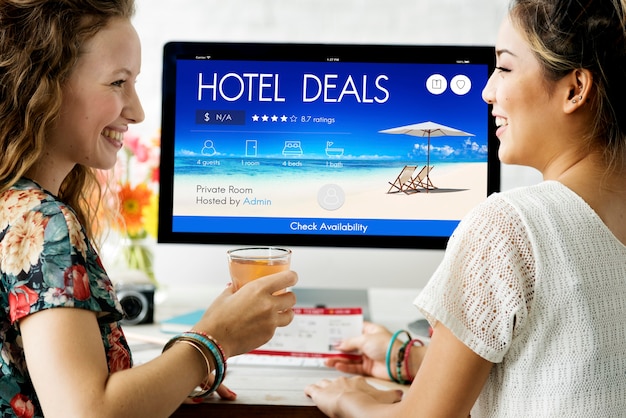
Your online listing is your first impression. High-quality images, clear descriptions, and smart pricing make a big difference in conversion rates.
Tips:
- Use natural light + wide-angle lens for great photos
- Pro tip: Sell the escape experience, not just the cabin
- Use pricing tools like PriceLabs, Wheelhouse, or Beyond Pricing
- Add a professional floorplan sketch or cabin layout
- Mention proximity to key attractions, trails, and scenic spots
Step 6: Spread the Word and Get Booked

Great listings still need visibility. Use modern marketing tools and visual storytelling to promote your cabin and drive repeat guests.
Tips:
- SEO tip: List on Google My Business + add keywords to titles
- Great platforms: Instagram Reels, Pinterest pins, YouTube Shorts
- Try discounts for referrals and repeat guests
- Reach out to local travel blogs or influencers for guest posts or reviews
- Create a local guidebook PDF or printed version with custom branding
Step 7: Keep Operations Smooth and Guests Happy

A well-run cabin leads to good reviews and repeat business. Smart systems and local support keep your business running even when you’re away.
Tips:
- Tools like Lodgify, Smoobu, OwnerRez save hours weekly
- Welcome kit = snacks, guidebook, Wi-Fi code, emergency contact
- Keep 2x stock of towels, linens, and toiletries
- Consider a part-time local cleaner or co-host for emergencies
- Automate review requests and thank-you notes after checkout
How to Market and Get Bookings
Most new hosts overthink advertising and underestimate presentation.
You don’t need complex marketing strategies. You need good photos and clear information.
Start with an Airbnb cabin listing and Booking.com. Later, you can build a direct website to reduce fees.
Simple holiday rental SEO basics matter:
-
Mention the location clearly in the title
-
Use professional photos
-
Adjust pricing seasonally
-
Encourage early reviews
Guests trust previous guests more than they trust owners. Always.
What Recent Data Shows
UK tourism patterns have stabilised into a new normal — and nature stays remain strong. Short countryside breaks continue to outperform city apartments in occupancy, and guests increasingly prioritise experience over price.
In practical terms:
People would rather pay more for somewhere memorable than less for somewhere forgettable.
Common Mistakes New Owners Make

Most problems come from enthusiasm rather than lack of effort.
Typical early mistakes include:
-
Building multiple cabins before testing demand
-
Pricing too low out of fear of empty nights
-
Underestimating cleaning logistics
-
Ignoring seasonal slow periods
-
Not allowing buffer days between guests
Nearly every experienced owner says the same thing afterwards:
Start with one cabin first.
Practical Startup Checklist

Before committing money:
-
Check planning permission locally
-
Calculate your break-even occupancy
-
Research nearby competitors
-
Confirm utilities access
-
Plan cleaning turnaround time
Skipping these doesn’t save time — it postpones problems.
Key Takeaways
-
Profit depends more on occupancy than size
-
One well-located cabin beats several average ones
-
Compliance prevents shutdown risks
-
Start small and grow from experience
Conclusion
Running a cabin rental business in the UK isn’t a shortcut to wealth — but it is a realistic, sustainable small business if approached sensibly.
Demand exists, startup costs are manageable compared to traditional property investment, and the model allows gradual expansion rather than large upfront risk.
Begin with one well-placed cabin, learn what guests actually value, and refine the experience over time.
Because people don’t travel into the countryside looking for square footage.
They travel looking for quiet — and if your cabin provides that, bookings tend to follow naturally.
Also Read: Best Blackpool Hotels with Entertainment for Families and Couples 2025
Author Bio — Briton News Team
Written and reviewed by the Briton News Team, UK-based researchers and writers focused on practical guidance on business, property and finance. We analyse real market data, regulations and trends to provide clear, realistic advice readers can actually use.
Disclaimer
Information is for general guidance only, not financial or legal advice. Rules vary by location. If you spot an error or need a correction, please contact our editorial team.
FAQ
Do I need planning permission for a cabin rental in the UK?
Usually yes for year-round commercial use, but councils differ — always confirm locally.
How much can a single cabin earn annually?
Typically £12,000–£25,000 profit depending on occupancy and pricing.
Is a cabin rental better than an Airbnb apartment?
In rural areas often yes, due to higher nightly rates and lower competition.
What occupancy rate is needed to break even?
Around 30–40% annually for most setups.
Can I start with one cabin and expand later?
That’s the recommended approach.
Are hot tubs worth adding?
They frequently increase bookings significantly, especially for couples.