



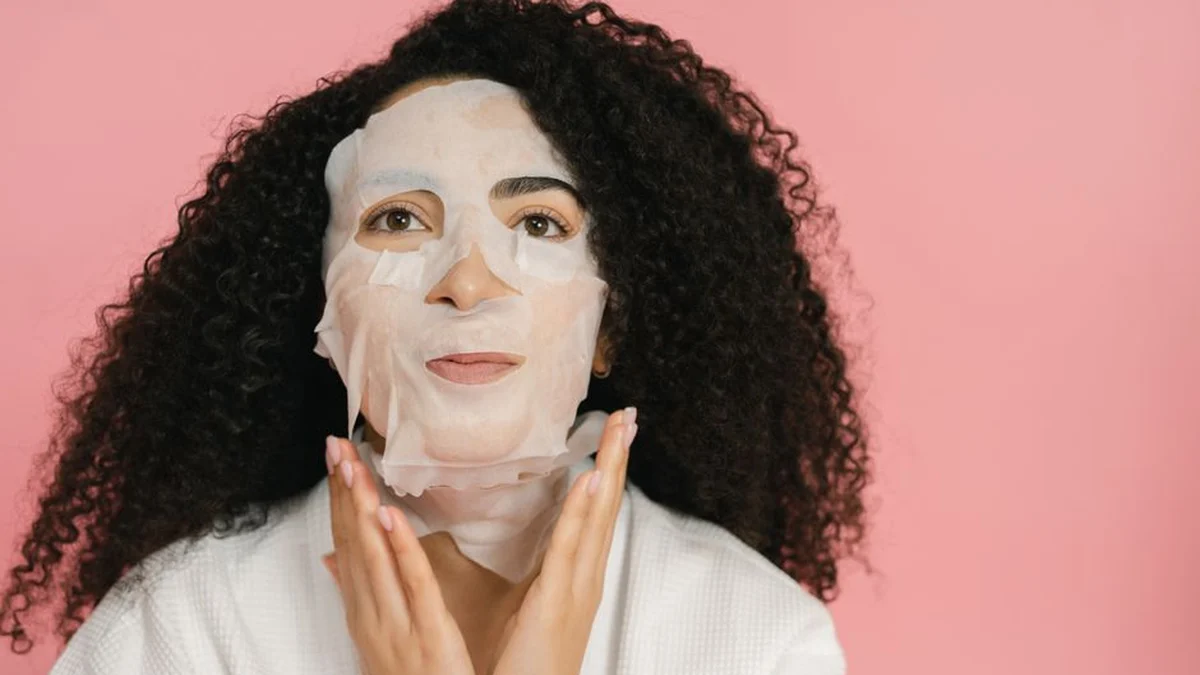
The sheet mask is the most photographed product in skincare and one of the least consequential. It is also, in the right moment, genuinely excellent — which is a combination that makes it hard to write about without sounding either dismissive or credulous.
Here’s the fair position: a sheet mask delivers a burst of hydration that makes skin look noticeably better for a day. That’s a real, useful thing. It is not skincare in the sense that a retinoid or a sunscreen is skincare, and treating it as such is how people end up with a drawer full of them and no SPF.
Where they sit is in the face masks for skin guide.
How they work
The sheet itself is the point. A cloth, hydrogel or bio-cellulose layer pressed against the skin creates occlusion — it stops the serum evaporating and holds it in contact with the surface for fifteen to twenty minutes.
That occlusion increases how much of the serum penetrates, and it also traps the skin’s own moisture. It’s the same principle that makes an overnight mask work, compressed into twenty minutes.
The material matters more than people expect. Cotton sheets are cheapest and dry out fastest. Hydrogel sheets cling better, feel cooling, and deliver more. Bio-cellulose is the best performer and the most expensive.
What they’re genuinely good for
Immediate hydration and plumpness. Skin looks better within twenty minutes. Fine lines are temporarily less visible because the skin is fuller.
Before an event. Makeup sits considerably better on well-hydrated skin. The night before, or two hours ahead, is ideal.
After a flight. Cabin air is extremely dry and skin genuinely suffers.
Calming irritation. A cool, fragrance-free mask with centella or panthenol after too much sun or an over-enthusiastic exfoliation.
Dry British winters. Central heating dehydrates skin more than most people account for, and a hydrating mask a couple of times a week through January genuinely helps.
What they can’t do
Treat acne. Twenty minutes of contact once a week does not treat a condition that requires consistent daily active use.
Change pigmentation, wrinkles or texture in any lasting way. Those need leave-on actives over months.
Shrink pores.
Replace moisturiser. A mask hydrates; a moisturiser seals that hydration in. Skip the second step and most of it evaporates within the hour.
Timing: the mistake everyone makes
Fifteen to twenty minutes. Not until the mask is dry, and definitely not overnight.
Here’s why it matters. Once the sheet dries out, the process reverses — the drying material begins drawing moisture back out of your skin through evaporation. You end up with skin drier than when you started.
The instruction on the packet is not a minimum. Take it off while it’s still damp.
Using one properly
Cleanse first. A mask over the day’s sunscreen and grime is fighting itself.
Tone if you use one, and applying the mask to slightly damp skin helps.
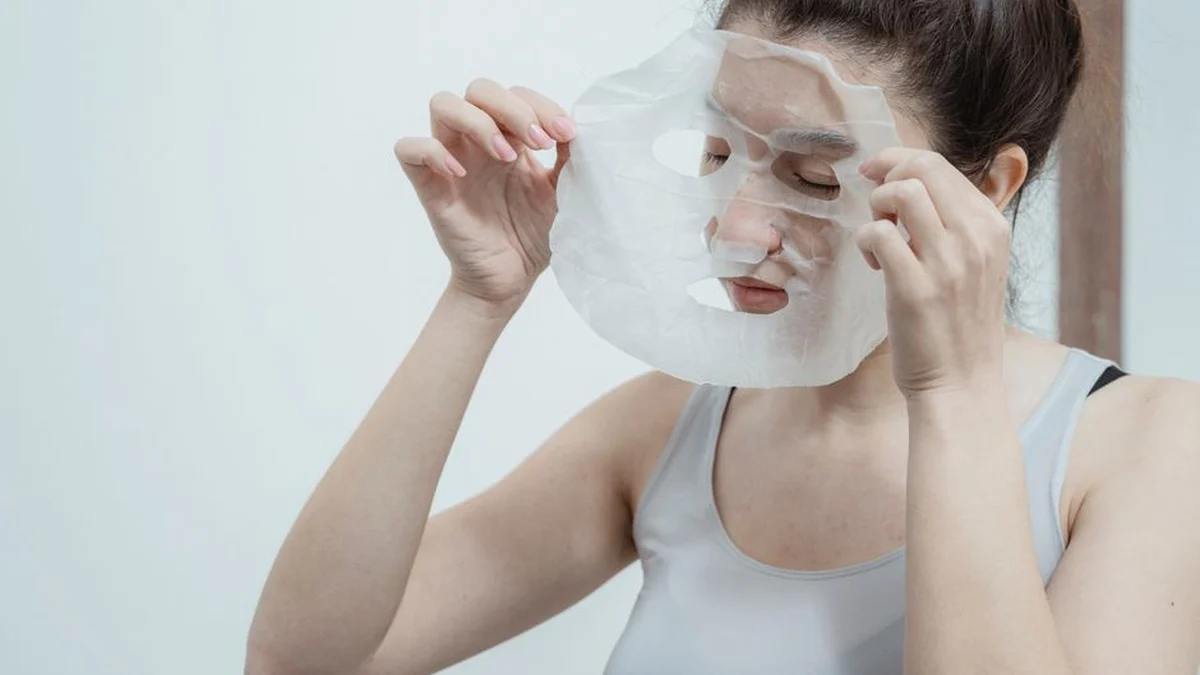
Unfold and position — eyes first, then nose, then work outwards, smoothing air bubbles as you go. Contact matters; a mask hovering off the skin isn’t delivering anything.
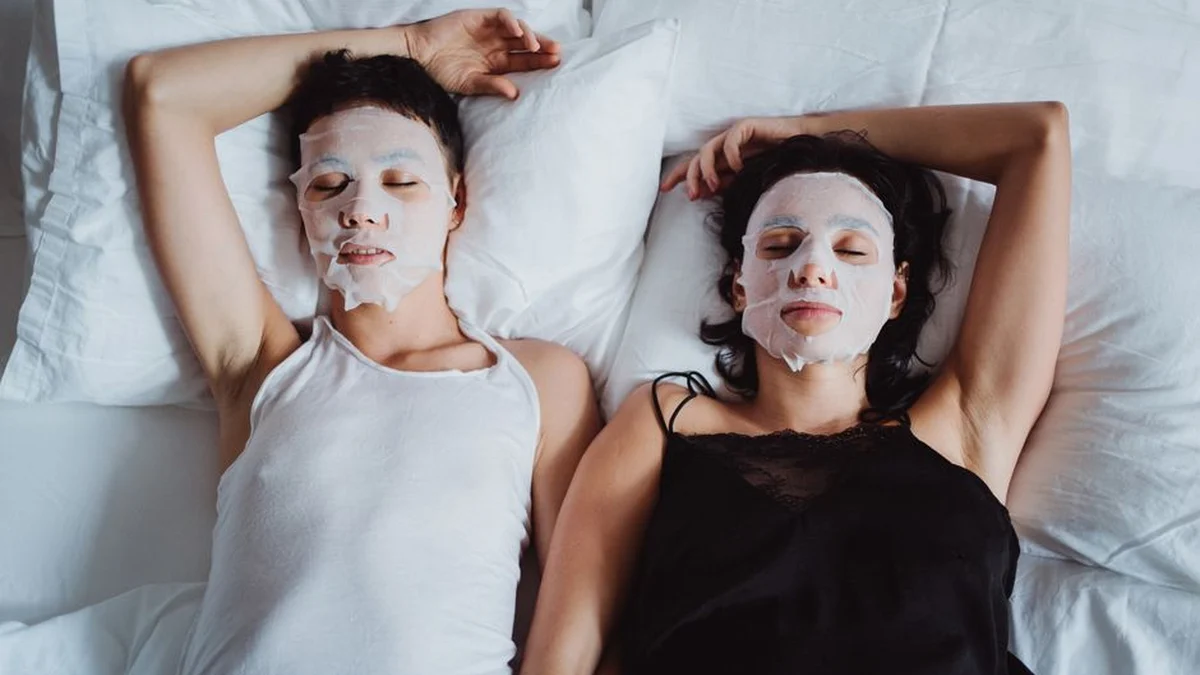
Lie down if you can. Gravity drags the sheet off the face otherwise.
Remove after fifteen to twenty minutes.
Then pat in the remaining essence rather than rinsing. Most people rinse, which throws away half the product.
There’s usually leftover serum in the packet. Use it on your neck, chest and the backs of your hands, all of which show ageing and all of which get neglected.
Follow with moisturiser to seal it in. This step is not optional.
How often
Two or three times a week is plenty for most people.
Daily is fine for short stretches with plain hydrating masks — a week of very dry weather, or the run-up to an event. The Korean “mask every day” practice generally uses simple hydrating formulations rather than active-heavy ones.
Masks with acids, high-concentration vitamin C or other strong actives: once a week maximum, and not on the same night as a retinoid.
Over-masking with actives is a genuine cause of barrier damage, and it presents as redness, stinging and — confusingly — increased oiliness.
Reading the ingredients
The serum is the product; the sheet is just the delivery system.
Hydration: hyaluronic acid, glycerin, panthenol, beta-glucan.
Soothing: centella asiatica, madecassoside, allantoin, oat.
Brightening: niacinamide, vitamin C derivatives, liquorice root.
Barrier support: ceramides, squalane, amino acids.
Worth avoiding on sensitive skin: high fragrance, denatured alcohol high in the list, and essential oils, all of which are common in cheaper masks and are a frequent cause of reactions.
Price correlates poorly with quality here. Well-formulated masks exist very cheaply, and expensive ones are often the same humectants in better packaging.
The waste question
Worth addressing honestly, because it’s the strongest argument against the format.
A sheet mask is single-use, individually wrapped in plastic, and the sheet itself is frequently a synthetic material that isn’t biodegradable. Using one three times a week is around 150 sachets and 150 sheets a year, from one person.
Options if this bothers you: reusable cloth or silicone masks that you apply your own serum under, which work on exactly the same occlusion principle. Bio-cellulose sheets, which are plant-derived and biodegradable. Or simply masking less often and using an overnight sleeping mask instead, which delivers similar occlusive benefit from a jar with no single-use waste at all.
That last option is the one I’d point most people towards for routine use, keeping sheet masks for occasions.
Storage tips
Keeping them in the fridge is genuinely worthwhile — the cooling effect reduces puffiness and feels considerably better on irritated or sun-exposed skin.
Check expiry dates. Masks sitting in a drawer for two years have degraded, and preservative systems don’t last indefinitely.
For under-eye puffiness specifically, small chilled hydrogel patches are more targeted than a full sheet — covered in under eye masks.

Comments are closed