




Almost every complaint about base makeup — it slides off, it looks cakey, it goes patchy by three o’clock, it settles into every line — traces back to one of three things. The wrong amount of product, the wrong order, or skin that wasn’t prepared for it.
Very few of them are the foundation’s fault, which is unfortunate, because buying a new foundation is the most satisfying possible response and almost never the fix.
Skincare is where base makeup starts
This is the least glamorous section and the most useful.
Makeup sits on skin. If that skin is dry and flaking, foundation clings to the flakes and emphasises them. If it’s oily, foundation breaks up as the oil comes through. If the barrier is compromised, everything stings and nothing sits properly.
Dry or flaky skin: the problem isn’t your foundation, it’s texture. Gentle exfoliation twice a week and a proper moisturiser will do more than any “hydrating” formula.
Oily skin: don’t skip moisturiser. Stripped skin produces more oil, which breaks makeup down faster. A light gel moisturiser is the answer, not nothing.
Everyone: let each layer absorb. Applying foundation onto wet moisturiser is the single commonest cause of pilling — those little rolls of product that appear under your brush.
And sunscreen goes on before makeup, always, with two to five minutes to set. The reasons are in the sun protection skincare guide, and the pilling fix is in SPF makeup.

The order
Skincare. Sunscreen. Primer if you use one. Foundation. Concealer. Cream products — blush, bronzer, contour. Powder to set. Powder products. Setting spray.
Two rules explain the whole thing: cream before powder, and thinnest to thickest. Powder before cream is how you get patchiness, because the cream can’t move over a powdered surface.
The one deliberate exception: concealer after foundation, not before. Foundation often evens things out enough that you need far less concealer than you thought — apply it first and you’ll cover the same spot twice.
Primer — necessary or not?
Genuinely optional, and worth knowing when it earns its place.
Worth it if: your foundation slides off by lunchtime, you have visible texture or pores you want to blur, you get very oily through the day, or your skin is dry and foundation clings to patches.
Not worth it if: your base already lasts and looks how you want. It’s an extra layer, an extra cost, and an extra thing to go wrong.
The types and how to match them to a problem are in makeup primer, including the silicone-versus-water-based compatibility issue that causes most pilling.
Foundation
The product people most often buy wrong, usually in three ways at once: wrong shade, wrong undertone, wrong finish.
Shade should be tested on the jawline, in daylight, and left for ten minutes to oxidise. Many foundations darken slightly after application.
Undertone matters more than depth. Cool, warm and neutral — a foundation that’s the right depth but the wrong undertone will look grey or orange no matter how well you blend.
Finish: matte for oily skin, natural or satin for most people, dewy for dry skin. Matte foundation on dry skin looks flat and emphasises texture; dewy foundation on oily skin slides.
Coverage: most people use more than they need. Sheer coverage applied well looks better than full coverage applied heavily. The detail is in foundation for your skin type.
Application
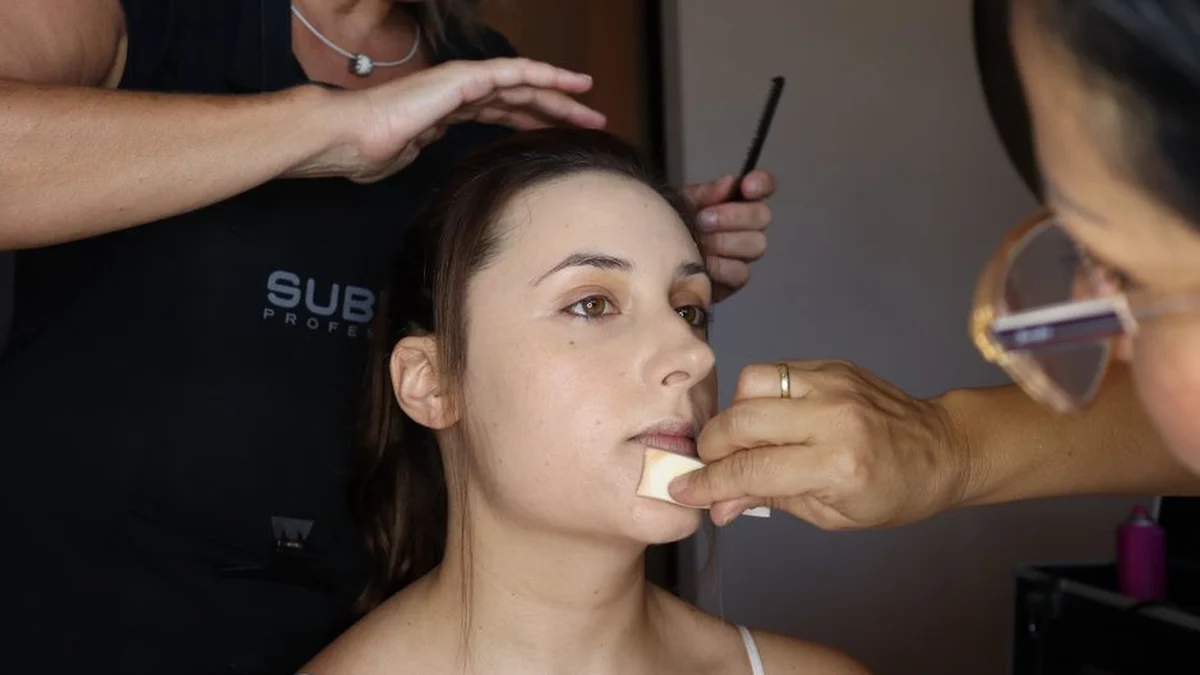
Start with less than you think — half a pump. Apply to the centre of the face and blend outwards, which is where you actually want coverage. The perimeter of your face needs almost none.
Damp sponge for a natural, skin-like finish. Press and bounce, don’t drag.
Brush for more coverage. Buff in circles.
Fingers for sheer coverage — the warmth helps it melt in.
Build in thin layers rather than applying one thick one. Cakiness is almost always a quantity problem.
Concealer
Different jobs need different products, and using one concealer for everything is why it creases under the eyes and looks obvious on spots.
Under-eye: hydrating, one shade lighter, applied sparingly in a small triangle rather than a semicircle under the lash line.
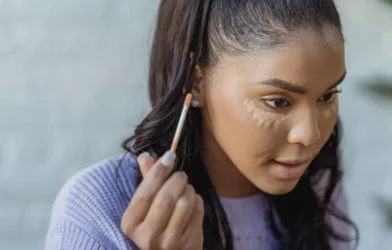
Blemishes: matching shade, full coverage, applied with a small brush and pressed rather than blended outwards.
Redness: colour correction before concealer — green for redness, peach or orange for dark circles on medium to deep skin tones.
The creasing problem, and how to actually stop it, is in concealer.
Contour, bronzer and blush
These do different things and get confused constantly.
Bronzer adds warmth. Where the sun would hit — forehead, cheekbones, bridge of the nose, jaw.
Contour creates shadow. Cool-toned, placed in the hollows.
Blush adds colour and life, and it’s the product that does most for how healthy a face looks.
The mistake that produces a muddy result is using a bronzer to contour — warm-toned product in a place where a shadow should be reads as dirt rather than structure. The full explanation is in contouring vs bronzer.
Setting
Powder controls oil and locks products in place. Setting spray melts layers together and extends wear.
They do different things and most people benefit from both, though not everywhere.
Powder only where you need it: T-zone, under the eyes, anywhere you get oily. Powdering the whole face flattens it and ages the appearance, particularly on dry or mature skin.
Setting spray at the end, held 25 to 30cm away, sprayed in an X and a T rather than one heavy blast.
Which to prioritise, and when, is in setting spray vs setting powder.
Fixing the common problems
Cakey: too much product, or too much powder. Use less of both.
Patchy: skin texture, or product incompatibility. Exfoliate; check whether your primer and foundation are silicone and water-based respectively.
Slides off by midday: oil breaking it down. Blotting paper rather than more powder, a mattifying primer in the T-zone, and setting spray.
Settles into lines: too much product in that area, or too much powder. Less foundation, less concealer, and set with a very light hand.
Grey or ashy: wrong undertone, or too much cool-toned powder.
Emphasises texture: a matte formula on dry or textured skin. Switch to satin, and exfoliate.
Separates around the nose: oil plus product build-up. Less product there, and set carefully.
A minimal version
Not everyone wants a full base, and a good minimal routine looks better than a badly-executed full one.
Tinted sunscreen or tinted moisturiser. A little concealer where you need it. Cream blush. Done in three minutes.
Tinted sunscreen in particular is worth considering, since it collapses two steps into one and gives you proper UV protection at proper quantity rather than the nominal amount from an SPF foundation.
Removing it properly
Worth saying because the base you built today affects the skin you’re applying to tomorrow.
Long-wear foundation and sunscreen are both designed to resist water. A foaming cleanser alone doesn’t reliably remove either — you need an oil-based first step, as covered in face cleansing routine.
Sleeping in makeup is the one genuinely non-negotiable rule in all of this.





Comments are closed