



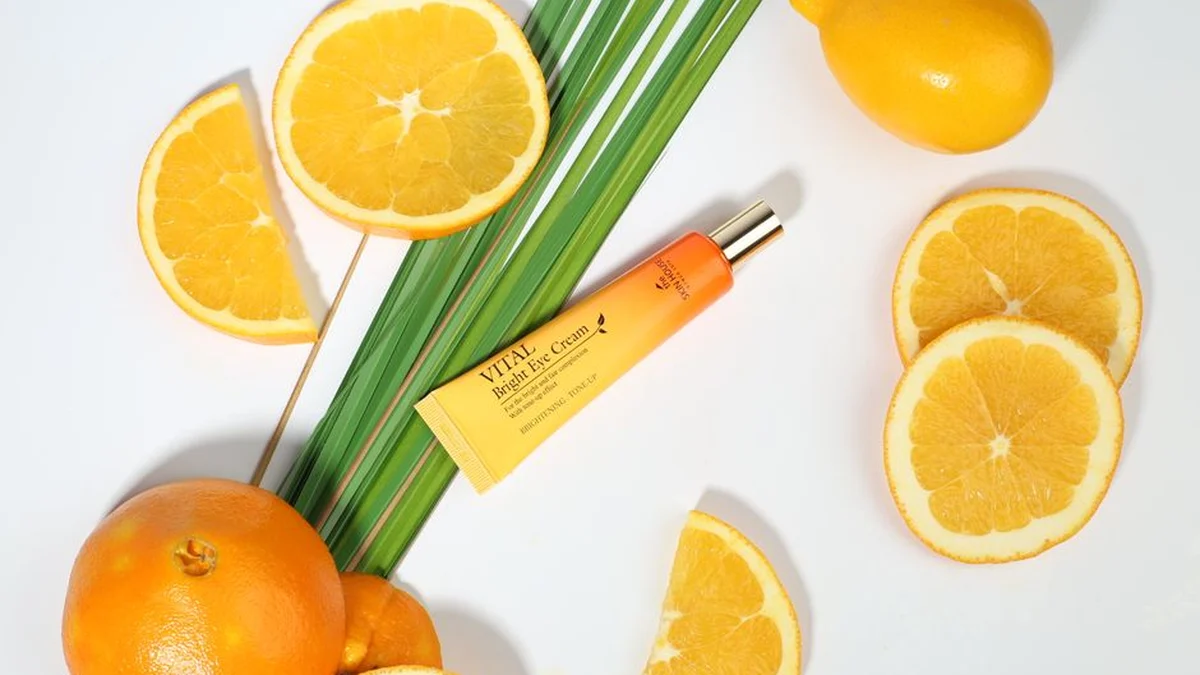
Vitamin C is the ingredient most likely to be sitting uselessly on your bathroom shelf right now. Not because it doesn’t work — it does — but because the most effective form of it is chemically unstable, and a serum that’s gone brown has already oxidised into something that isn’t doing much.
Understanding that one fact changes how you buy it, how you store it, and how much you’re prepared to spend on a large bottle.
Where it sits alongside everything else is in the anti ageing skincare routine guide.
What it does
Three things, with reasonable evidence for each.
Antioxidant protection. It neutralises free radicals generated by UV exposure and pollution before they damage skin cells. This is why it’s used in the morning — it works alongside sunscreen, adding a second layer of defence rather than replacing the first.
Collagen support. Vitamin C is a required cofactor for the enzymes that build collagen. Without it, the process doesn’t run properly.
Pigmentation. It inhibits tyrosinase, an enzyme involved in melanin production, which is why it helps with dark spots and general dullness over time.
The stability problem
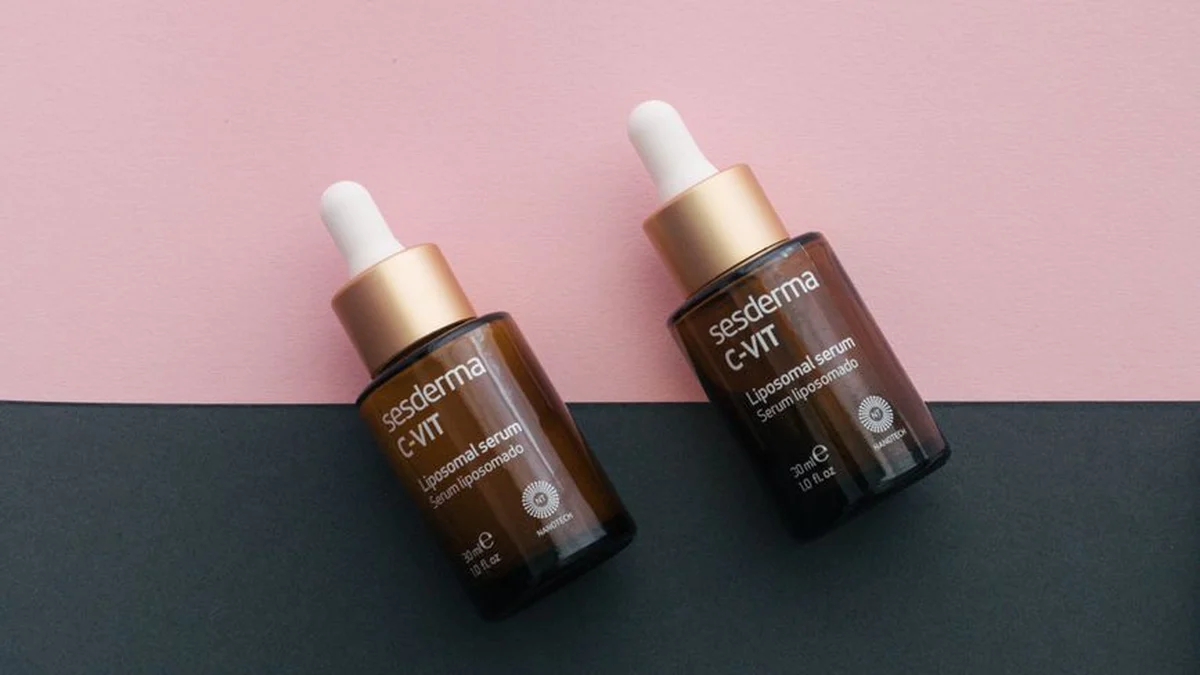
L-ascorbic acid is the pure, most-studied form. It’s also unstable: it oxidises on contact with light, air and heat, converting to dehydroascorbic acid and eventually to compounds that do nothing useful and may even cause some irritation.
The colour tells you. A fresh serum is clear or very pale straw. As it oxidises it turns yellow, then orange, then brown. A brown serum has gone. Some people continue using them out of frugality; there’s no benefit left.
What slows it down: a low pH (below 3.5, which L-ascorbic acid needs to penetrate anyway), an opaque or dark glass bottle, an airless pump rather than a dropper, and the presence of ferulic acid and vitamin E, which stabilise it and improve its effect.
The well-known combination is 15% L-ascorbic acid with 1% vitamin E and 0.5% ferulic acid, which comes from published research and has been widely replicated across price points.
The derivatives
Because pure vitamin C is difficult, formulators use derivatives — more stable, gentler, and generally less potent.
Sodium ascorbyl phosphate (SAP). Stable, gentle, works at neutral pH. Good for sensitive or acne-prone skin.
Magnesium ascorbyl phosphate (MAP). Stable, gentle, some evidence for pigmentation.
Tetrahexyldecyl ascorbate (THD ascorbate). Oil-soluble, very stable, penetrates well. Expensive, and popular in higher-end formulations. Good for dry and sensitive skin.
Ascorbyl glucoside. Stable, gentle, slow-acting.
Ethylated ascorbic acid. Stable and reasonably potent.
The trade-off is consistent: derivatives are easier to live with and have less direct evidence behind them than L-ascorbic acid. For sensitive skin, that trade is usually worth making.
What concentration
For L-ascorbic acid, the useful range is roughly 10% to 20%.
Below 8% and you’re unlikely to see much. Above 20% and absorption plateaus while irritation keeps climbing — higher numbers on the box are marketing rather than benefit.
Start at 10% if you’re new to it or have sensitive skin. Move to 15% if you tolerate it well.
For derivatives, the effective concentrations differ and the product should state them.
How to use it
Morning, after cleansing, on dry skin, before moisturiser and sunscreen.
Three to five drops for the whole face. Pat rather than rub.
Wait a minute or two before the next layer.
Then moisturiser, then sunscreen. Vitamin C is a complement to sunscreen, not a substitute — this misunderstanding is common and consequential.
Starting slowly matters here too. Every other morning for two weeks, then daily if comfortable. Tingling on application is common with L-ascorbic acid; stinging, burning or lasting redness is not.
Storage
This is where you protect your investment.
Keep it in a cool, dark place. A bathroom cabinet, not a windowsill and not the shelf above a radiator.
Close it properly every time.
Some people keep L-ascorbic acid serums in the fridge, which does slow oxidation. Reasonable, if slightly inconvenient.
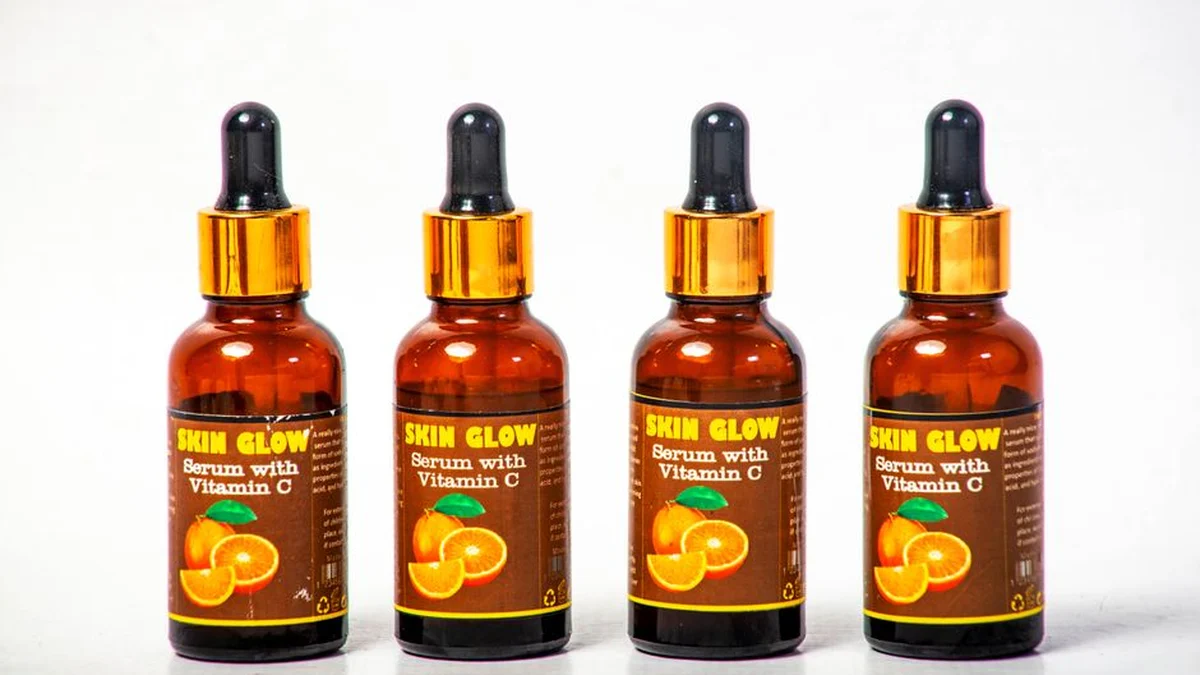
Buy small bottles. A 30ml bottle used daily lasts about three months, which is roughly the useful life of an opened L-ascorbic acid serum. A large economy bottle is false economy — most of it will oxidise before you reach it.
Airless pump packaging is worth paying a little more for. Dropper bottles introduce air every time you open them.
Combining it with other things
Sunscreen: yes, and this is the point.
Vitamin E and ferulic acid: yes — they stabilise it and enhance the effect.
Niacinamide: fine, despite years of internet warnings. The supposed incompatibility comes from research using unstable conditions at high temperatures, not from normal use. Modern formulations combine them routinely.
Retinoids: use at different times of day. Vitamin C morning, retinoid evening — which is the standard arrangement anyway. See retinol cream.
Exfoliating acids: possible but often irritating together. Alternate days if you use both.
Benzoyl peroxide: can oxidise vitamin C. Separate them.
Who might struggle with it
Sensitive or rosacea-prone skin often can’t tolerate low-pH L-ascorbic acid. Use a derivative — THD ascorbate or SAP.
Very dry skin sometimes finds the water-based formulations dehydrating. An oil-soluble derivative works better.
If you get persistent stinging, redness or breakouts, it’s the formulation rather than the ingredient. Try a different form before writing vitamin C off.
What to expect
Brightness and glow: 2–4 weeks.
Even tone: 6–12 weeks.
Pigmentation: 12 weeks or more.
Antioxidant protection: immediately, though invisibly — this is the benefit you never see and the main reason to use it.
That last point is worth holding onto. Vitamin C’s most valuable function is preventing damage you’d otherwise be trying to correct in ten years’ time, and prevention never produces a dramatic before-and-after photograph.
If you want a gentler route into antioxidants and actives generally, peptide serum and bakuchiol are both far less likely to sting, with correspondingly less evidence behind them.







Comments are closed