



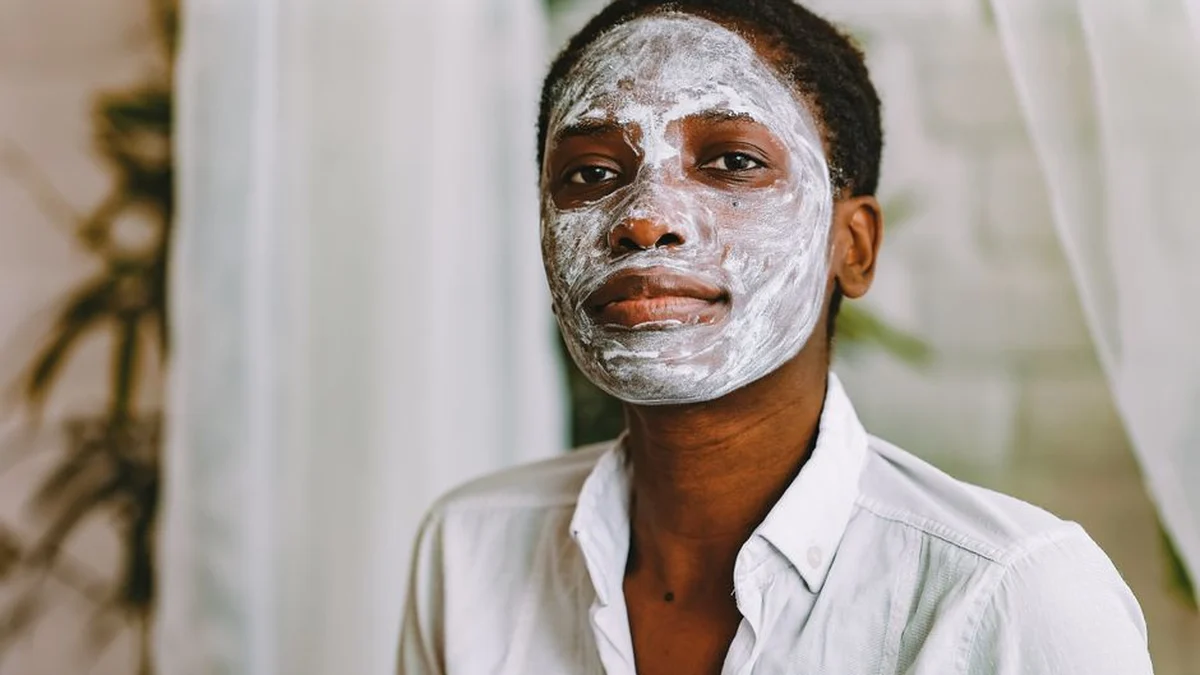
Face masks are the most enjoyable part of skincare and the least important. That’s not a criticism — enjoyment has real value, and a routine you look forward to is a routine you keep. But it’s worth being clear about the hierarchy, because a great many people have a drawer of masks and no sunscreen.
A mask is twenty minutes on your face, once or twice a week. Your cleanser, moisturiser and SPF are doing the work. Masks are the supporting act.
That said, the right one at the right moment does something no other product format does, and this is a guide to matching them properly.
What masks actually do differently
Two things.
Occlusion. A layer sitting on the skin for twenty minutes prevents evaporation and holds ingredients against the surface, which increases how much gets in. This is why a hydrating mask outperforms the same ingredients in a lotion applied for thirty seconds.
Concentration. Masks can carry higher concentrations of certain actives than a leave-on product, because they’re rinsed off before irritation accumulates.
What they don’t do is deliver lasting change. A mask is a short-term intervention — brilliant before an event, largely irrelevant to what your skin looks like in a year.
The types, and what each is for
Hydrating sheet masks
A cloth or hydrogel sheet soaked in serum, pressed onto the face for fifteen to twenty minutes.
Best for: immediate hydration, plumpness and glow. Before an event, after a flight, in the dry indoor air of a British winter.
Not for: lasting change, acne, or deep cleansing.
The practical detail is in sheet masks — including how often is too often, and the environmental question that comes with a single-use product.
Clay and mud masks
Absorb excess oil and draw impurities from the surface as they dry.
Best for: oily skin, congested areas, the T-zone.
The universal mistake: letting them dry completely and crack. That’s over-drying, and it strips the barrier — which triggers more oil production. Rinse while still slightly tacky.
Which clay to choose is covered in clay masks.
Exfoliating masks
AHAs, BHAs or enzymes to remove dead surface cells.
Best for: dullness, uneven texture, congestion.
Frequency: once a week maximum, and not on the same night as a retinoid.
Overnight and sleeping masks
Occlusive leave-on layers applied as the last step of an evening routine.
Best for: dry, dehydrated skin, and anyone whose skin feels tight by morning.
Where they fit in a routine — and whether you need one at all — is in overnight sleeping mask.
Cream and gel masks
Essentially rich moisturisers left on longer. Gel versions are cooling and suit sensitive or irritated skin; cream versions suit dry skin.
Peel-off masks
The satisfying ones, and the ones I’d think hardest about. They remove the top layer of skin along with vellus hair, and on sensitive skin they cause real irritation. The satisfaction is largely aesthetic rather than dermatological.
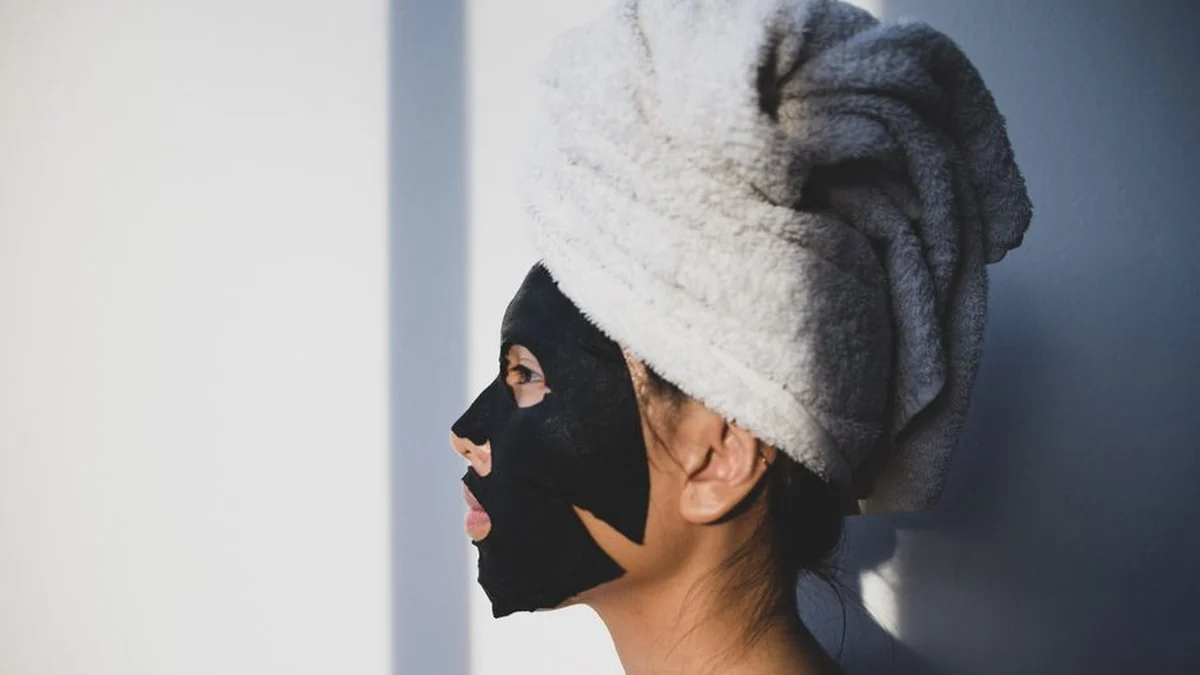
Charcoal masks
Marketed heavily for “drawing out toxins”, which isn’t a meaningful description of anything. Charcoal does absorb oil, so they behave like clay masks. Peel-off charcoal versions are the harshest category on the shelf.
Under-eye masks and patches
Small hydrogel patches for the under-eye area. Genuinely useful for temporary puffiness and hydration, and much less useful for the things they’re usually sold for — see under eye masks.
Matching mask to skin type
Oily. Clay or charcoal once or twice weekly on the T-zone. Hydrating masks elsewhere — oily skin is often dehydrated too, and stripping it makes both worse.
Dry. Hydrating, cream or overnight masks. Avoid clay entirely, or use it only on specific congested spots.
Combination. Multi-masking: clay on the T-zone, hydrating on the cheeks. Slightly ridiculous-looking and genuinely sensible.
Sensitive. Gel, cream or centella-based calming masks. Avoid peel-offs, strong acids and fragrance.
Acne-prone. Salicylic acid or clay on congested areas. Note that masks won’t treat acne — that needs consistent leave-on treatment.
Mature. Hydrating and peptide masks. Gentle exfoliation weekly.
How often
Hydrating: two or three times a week, or daily for short periods if your skin is very dry.
Clay: once or twice weekly.
Exfoliating: once weekly.
Overnight: two or three times weekly, or nightly for very dry skin.
Under-eye: as needed.
The main risk in this category is over-treating. Masking daily with actives, or using three different types in a week, is a reliable route to a damaged barrier — which shows up as redness, stinging, tightness and, confusingly, more oil.
Getting more out of them
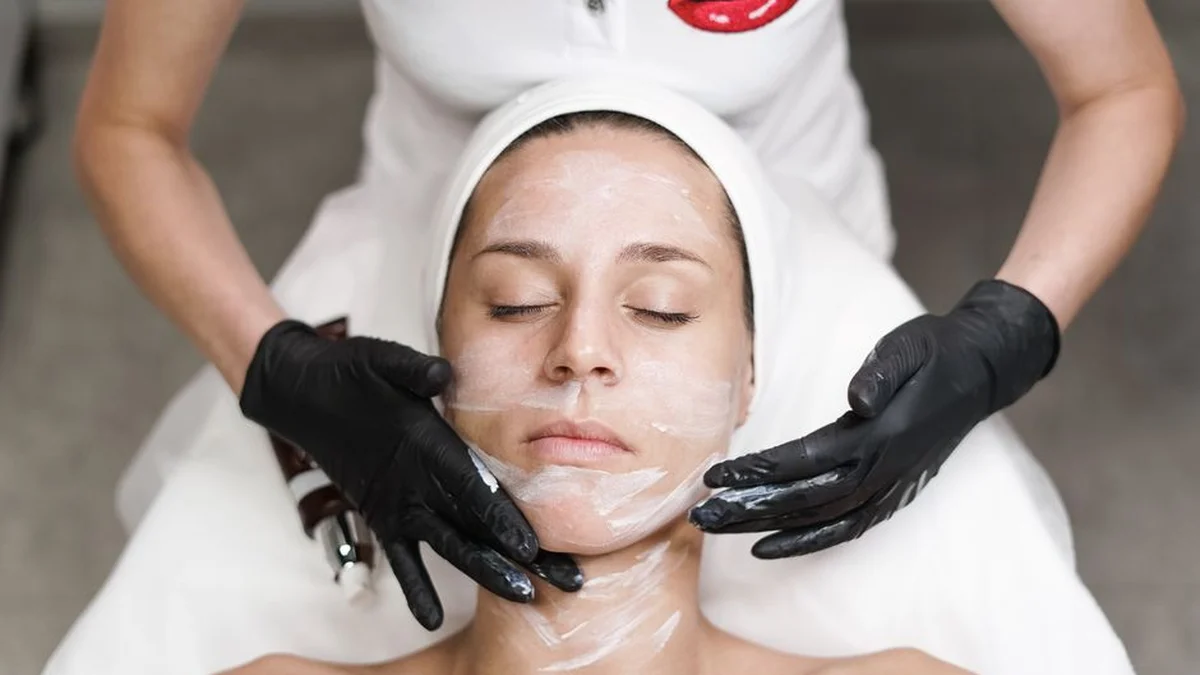
Apply to clean skin. A mask over the day’s sunscreen and pollution is working against itself.
Warm skin absorbs better — after a shower is ideal.
Don’t leave them on longer than instructed. Clay masks past the drying point strip the skin; exfoliating masks past the timer irritate. Longer is not stronger, it’s just worse.
Follow with moisturiser, always, even after a hydrating mask.
And if you’re using actives in your routine, don’t stack a mask with them on the same night. Alternate — the layering rules in the anti ageing skincare routine guide apply here too.
What masks can’t do
Shrink pores. Pore size is largely genetic; oil and dead skin make them look larger, and removing that makes them look smaller temporarily.
“Draw out toxins”. Skin doesn’t store toxins, and nothing applied topically pulls anything out of your bloodstream.
Treat acne, rosacea or eczema. Those need consistent treatment, often medical.
Replace a routine. This is the one that matters. A weekly mask on top of no sunscreen is decoration.
DIY masks — a note of caution
Some are fine: plain honey is antibacterial and soothing; plain oats calm irritation; plain yoghurt has a mild lactic acid effect.
Some are actively harmful and circulate widely. Lemon juice is highly acidic and photosensitising, and can cause chemical burns. Bicarbonate of soda is far too alkaline for skin’s natural pH. Toothpaste on spots is irritating and does nothing useful. Cinnamon and undiluted essential oils cause sensitisation.
If you’re making your own, keep it to one or two gentle food ingredients and skip anything acidic or abrasive.
This article is general information, not medical advice. Persistent or severe skin conditions should be assessed by a GP, pharmacist or dermatologist. Patch test any new product on a small area first.



Comments are closed