



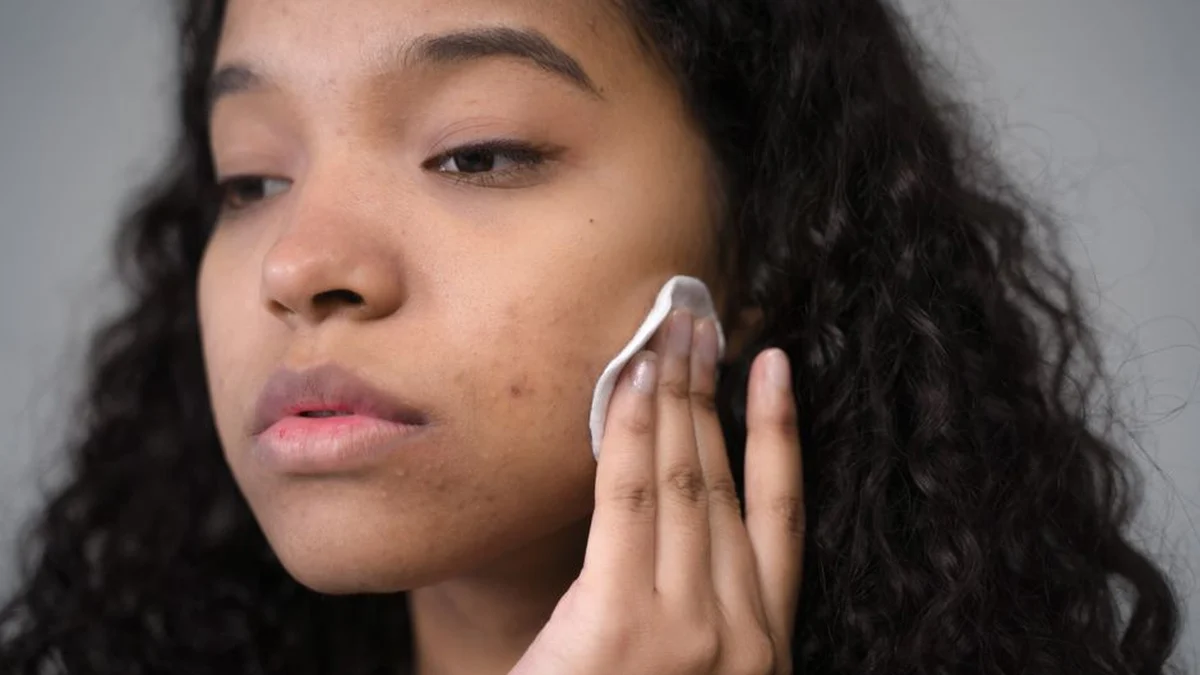
Makeup wipes are the most convenient thing in this category and the worst thing in it, and both of those facts are worth taking seriously.
The case against them is not snobbery. It’s that they don’t remove makeup so much as redistribute it, they leave surfactant residue on the skin, they require dragging at the most delicate skin on your face, and they generate a significant amount of waste for something that does the job badly.
The case for them is that a wipe used at midnight is better than nothing used at midnight. That’s a genuine argument and I’d rather someone kept a packet by the bed than slept in a full face of makeup.
Where all this sits is in the face cleansing routine guide.
What’s wrong with wipes specifically
They smear rather than remove. A wipe pushes makeup around the face, often into areas that didn’t have it — which is why some people find they break out along the jaw and hairline after switching to wipes.
They leave residue. The surfactants and emollients that dissolved the makeup are still sitting on your skin afterwards, along with preservatives. Most wipes say “no rinsing required”. Your skin disagrees.
They require friction. Removing eye makeup with a wipe means repeated dragging on skin that’s around half a millimetre thick. Done nightly over years, that contributes to laxity and irritation.
Preservative load. A wet product in a resealable packet needs a robust preservative system, and wipes are a recognised source of contact dermatitis for some people — methylisothiazolinone in particular has caused enough problems to be restricted in leave-on products in the EU.
Waste. Most are non-biodegradable synthetic fabric, individually packaged in plastic.
When they’re genuinely fine
Travel and festivals. Backstage or on set. When you’re ill. When you get home at 1am and the alternative is sleeping in it.
Occasional use is fine. It’s daily use as the entire routine that causes problems.
What to use instead
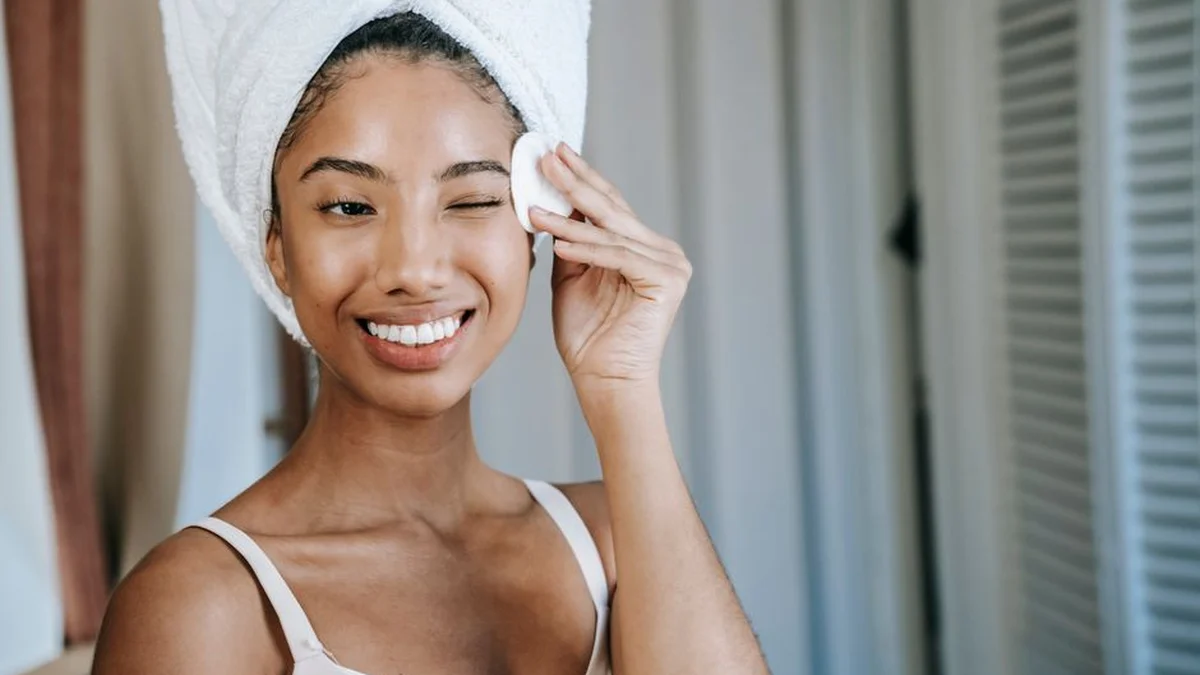
For a full face: an oil-based first cleanse, then a water-based second cleanse. A cleansing balm or cleansing oil, then a gel or foaming cleanser. Ten minutes’ effort a night, and it removes everything.
For light makeup: micellar water on a reusable pad, then rinse. Or straight to a cream cleanser.
For a quick fix: micellar water, followed by a proper cleanse in the morning. Not ideal, considerably better than a wipe.
Eye makeup, which needs its own approach
The skin here is the thinnest on the body and the makeup is often the most stubborn. Tugging is what causes damage, and everything below is about avoiding it.
Bi-phase removers — the ones with two visible layers you shake together — are the best option for waterproof formulas. The oil layer dissolves the makeup, the water layer rinses it. Genuinely effective and gentle.
The method: saturate a cotton pad. Hold it against the closed eye for 15 to 20 seconds without moving. Let it dissolve rather than trying to rub it off. Then wipe gently downwards and outwards. Repeat with a fresh pad rather than scrubbing with the same one.
For mascara on lower lashes: a cotton bud dipped in remover gives much better control than a pad.
Never rub back and forth. That’s what stretches the skin and pulls out lashes.
Waterproof mascara is the hardest thing in the category to remove and the reason a lot of people damage their lash line. If you wear it daily, it’s worth asking whether you need to.
Long-wear and transfer-proof formulas
These are engineered to resist water, oil and friction, which is exactly what makes them difficult.
An oil-based cleanser is essentially the only thing that shifts them properly. Massage for a full minute on dry skin — patience does more than pressure.
For long-wear lip products, apply balm or oil first, let it sit for thirty seconds, then wipe. Trying to scrub a matte liquid lipstick off dry is how people end up with sore, flaking lips.
Sunscreen is makeup for these purposes
This is the thing most people miss.
Modern sunscreens are formulated to be water and sweat resistant. That makes them just as difficult to remove as makeup, and a foaming cleanser alone doesn’t do it reliably.
If you wear SPF daily — and you should — you need an oil-based first cleanse in the evening whether or not you wore makeup. A great many people who are diligent about applying sunscreen are not removing it properly, and then wonder why their skin is congested.
The residue test
Worth doing once, because it’s revealing.
Cleanse as you normally would. Then take a clean white cotton pad with a little micellar water and wipe your face — especially the hairline, jaw, sides of the nose and under the chin.
If the pad comes away visibly coloured, your routine isn’t removing everything.
Common culprits: only cleansing once, not massaging long enough, skipping the perimeter of the face, and relying on wipes.
A note on the eye area
Habitual rubbing — whether removing makeup, or from untreated allergies — contributes to both pigmentation and laxity around the eyes over years.
If you’re removing eye makeup nightly, the gentleness of that ninety seconds compounds over decades. It’s a small habit with a disproportionate long-term effect, and it’s covered further in eye cream.
The reusable option
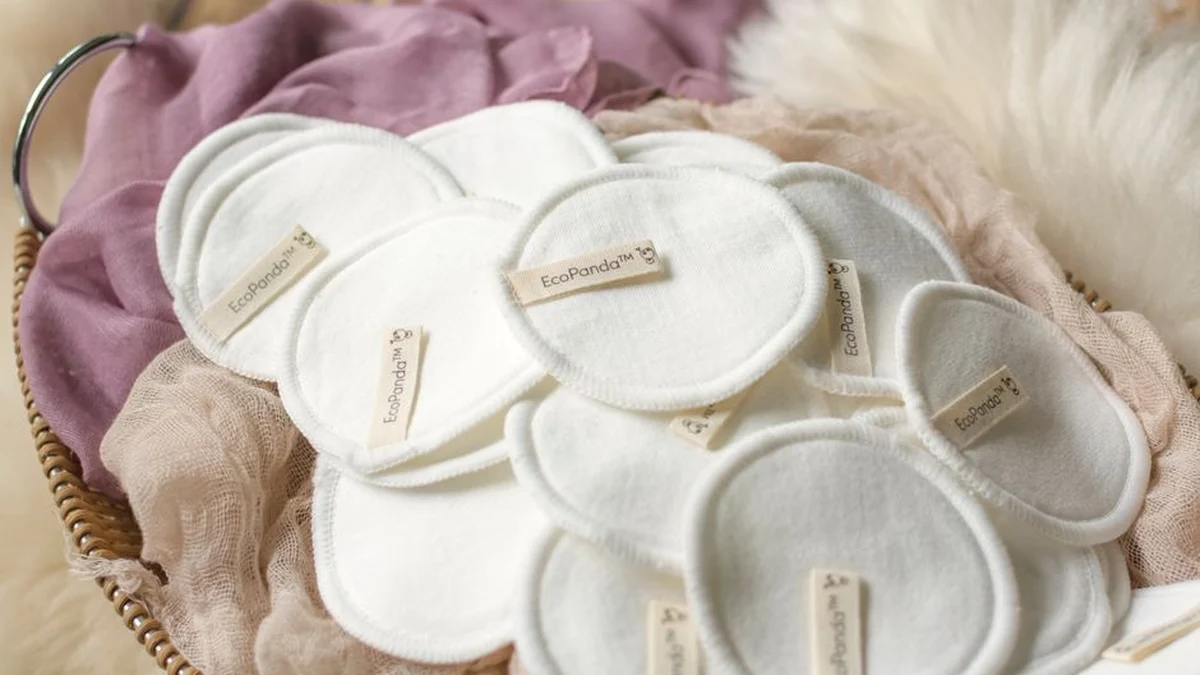
Reusable cotton or bamboo pads work exactly like disposable ones and go in the wash. A set of twenty costs a few pounds and replaces hundreds of disposable pads a year.
Wash them at 60°C, and have enough that you’re never tempted to reuse a dirty one.
Same for flannels — a clean flannel with a cream cleanser is one of the oldest and most effective ways to remove makeup, provided it’s genuinely clean each time. A flannel used for three days is not doing your skin any favours.





Comments are closed