



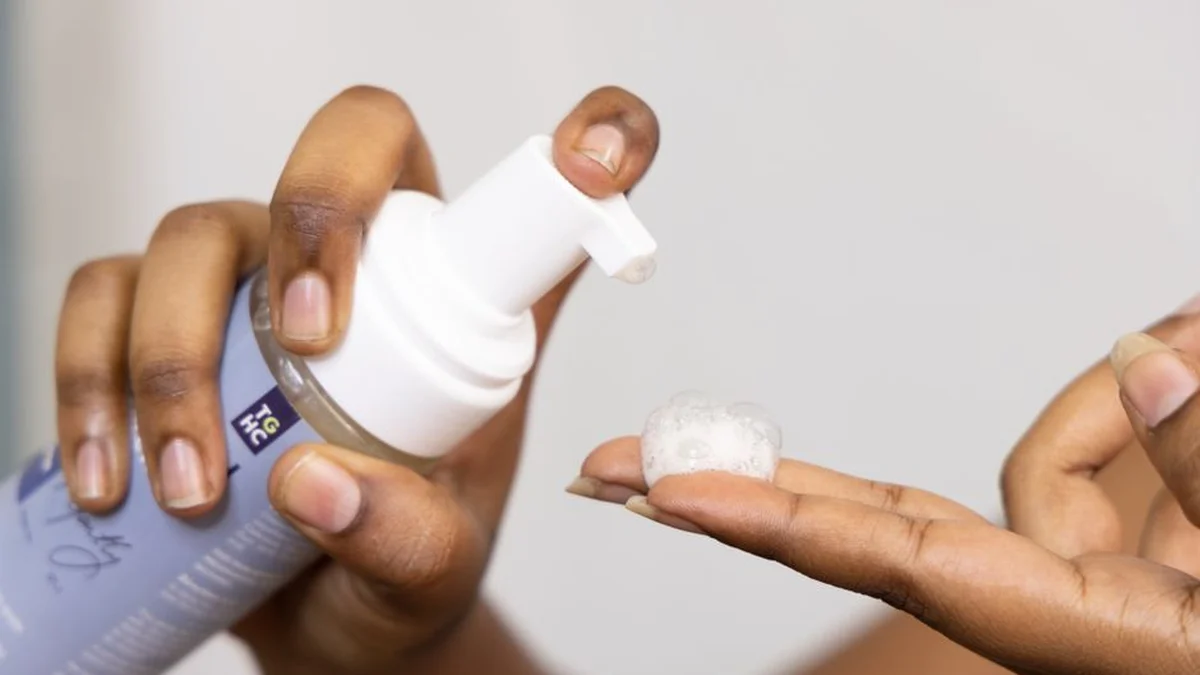
Foam feels like cleaning. That’s a marketing insight, not a dermatological one, and it’s why so many cleansers foam more than they need to.
The amount of lather a cleanser produces tells you almost nothing about how well it cleans. It tells you about the surfactants used, and the ones that foam most enthusiastically are frequently the ones that strip most enthusiastically.
Which doesn’t mean avoiding foaming cleansers. It means knowing which surfactant is in yours. Where they fit is in the face cleansing routine guide.
The surfactants, ranked
Turn the bottle over. The cleansing agent is usually in the first five ingredients.
Harsh
Sodium lauryl sulphate (SLS). Effective, very foamy, and the most stripping of the common surfactants. Fine on hair, questionable on faces. If this is high in your cleanser’s list and your skin feels tight, you’ve found the cause.
Sodium laureth sulphate (SLES). Milder than SLS, still fairly stripping.
Soap (sodium/potassium salts of fatty acids). Traditional bar soap. Very high pH, which is the real problem — see below.
Moderate
Cocamidopropyl betaine. Mild, often used to soften harsher surfactants. A known contact allergen for a small proportion of people.
Sodium cocoyl isethionate. Mild, foams well. One of the better options.
Gentle
Coco-glucoside, lauryl glucoside, decyl glucoside. Plant-derived, very mild, low foam.
Sodium cocoyl glutamate / glycinate. Amino acid derived, gentle, good for sensitive skin.
Sodium lauroyl sarcosinate. Mild and effective.
The pattern: gentler surfactants foam less. A cleanser that produces a thick, dense lather is usually using something stronger, and the low-foam ones are the ones your barrier will thank you for.
The pH question
Healthy skin sits at around pH 4.7 to 5.75 — mildly acidic. That acid mantle is part of the barrier: it supports the skin’s beneficial bacteria and helps the enzymes involved in barrier repair work properly.
Traditional soap has a pH around 9 to 10. Using it on the face raises the skin’s pH substantially, and while it recovers over some hours, doing that twice daily means the barrier rarely gets back to normal.
Look for cleansers around pH 5 to 6. Many brands state it. Anything described as “pH balanced” is usually in this range.
This is a large part of why bar soap on the face is a bad idea even when it’s a nice bar soap.
Who foaming cleansers suit
Good for: oily skin, combination skin, acne-prone skin, anyone in a hot or humid environment, and as the second step of a double cleanse.
Poor for: dry skin, mature skin, sensitive or rosacea-prone skin, eczema-prone skin, and anyone with a compromised barrier. Cream and milk cleansers are better for all of those.
Note for acne-prone skin: the instinct is to use the strongest available cleanser. It backfires. Aggressive cleansing damages the barrier, increases inflammation, and makes acne worse — the routine that actually works is in acne treatment skincare.
Using one without stripping
Lukewarm water. Hot water strips lipids and increases redness, and it’s the most common reason skin feels tight afterwards.
Use a small amount — a pea to a ten-pence piece. More product doesn’t clean better.
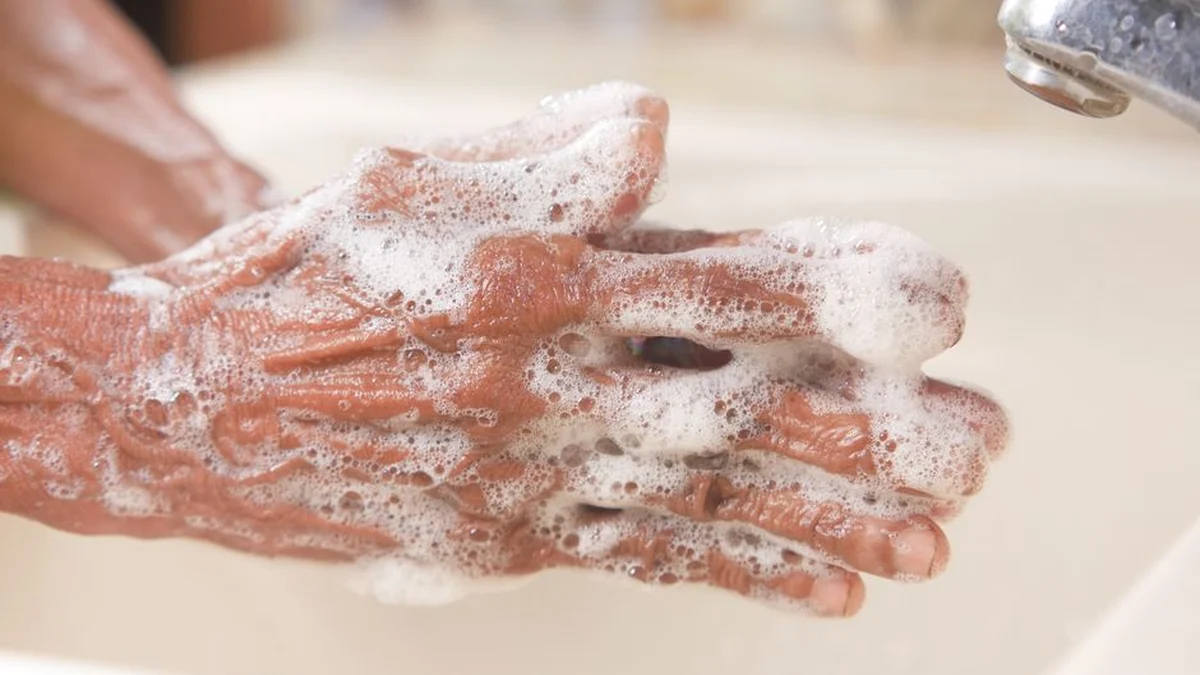
Lather in your hands first, then apply. Applying concentrated cleanser directly to skin means uneven contact.
Massage for 30 to 60 seconds. Not longer; contact time increases stripping.
Rinse thoroughly, especially the hairline, jaw and around the nose. Residue in those places causes breakouts there.
Pat dry gently.
Apply moisturiser within a couple of minutes, while skin is still slightly damp.
How to tell yours is too harsh
Tightness after washing, even briefly. This is the clearest sign.
Squeaky-feeling skin.
Flaking or rough patches appearing.
Increased oiliness through the day — the rebound effect of a stripped barrier.
Products that used to be fine now sting.
New redness or reactivity.
If any of these apply, switch to a gentler surfactant for two weeks and see what happens. Most people are surprised how quickly things improve.

Actives in cleansers
Salicylic acid in a cleanser is worthwhile for oily and congested skin. Contact time is short, so it’s mild — leave-on products do considerably more, as covered in salicylic acid toner.
Benzoyl peroxide in a wash-off cleanser is a sensible way to use it, because it reduces the irritation and bleaching risk of leave-on formulations.
Glycolic acid in a cleanser does very little — AHAs need contact time and the right pH, neither of which a 45-second wash provides.
Vitamin C, retinol, peptides, hyaluronic acid in a cleanser are essentially marketing. They’re rinsed off before they do anything.
Don’t pay extra for actives in a product you wash off within a minute.
Cleansing brushes and devices
Popular for a while, and largely fallen out of favour among dermatologists for daily use.
Used every day, they over-exfoliate, disrupt the barrier and can spread bacteria if not cleaned meticulously. On acne-prone skin, mechanical agitation frequently makes things worse.
If you like using one, once or twice a week is a reasonable ceiling, with the brush head cleaned and replaced on schedule.
Foaming versus everything else
Foaming and gel cleansers are the second step, not the whole routine.
If you wear makeup or sunscreen, a foaming cleanser alone won’t remove it properly — you need an oil-based first step. A cleansing balm or cleansing oil does that job, and the foaming cleanser follows.
In the morning, most people don’t need a foaming cleanser at all. Water, or a very gentle cleanser, is enough — you’re removing overnight sebum and whatever you applied last night, not a day’s worth of environment.




Comments are closed