



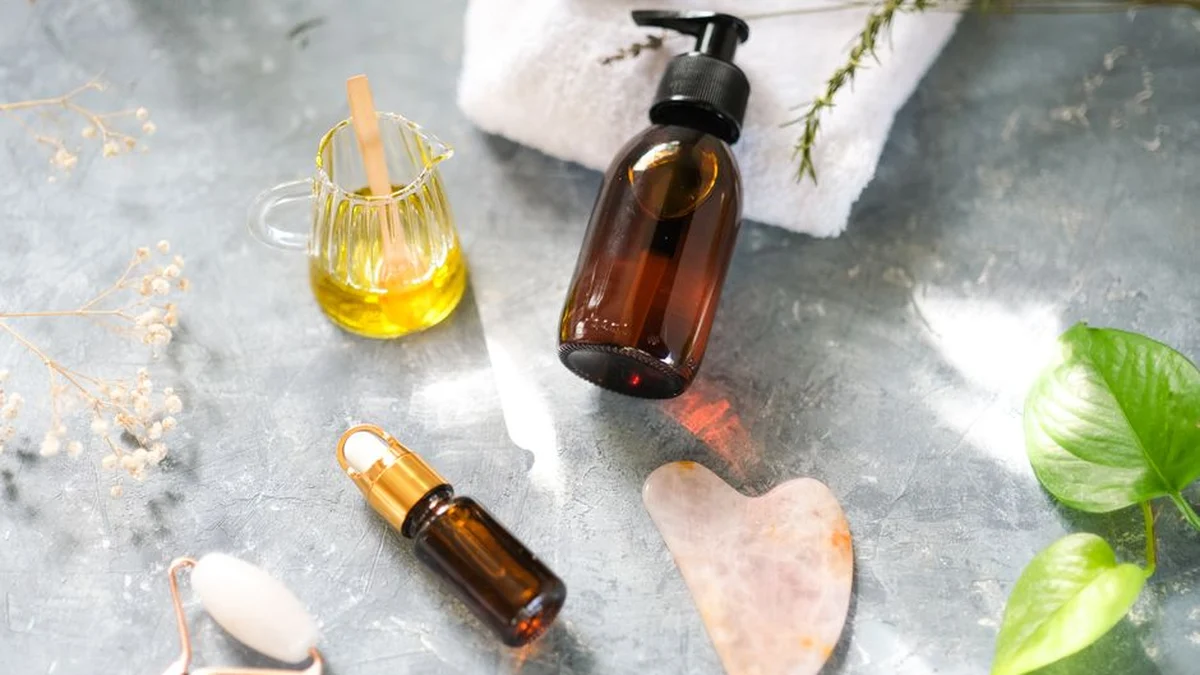
Micellar water won this argument in the marketplace and lost it on the merits. It’s more convenient, it’s everywhere, and it’s the product most people reach for — and it removes considerably less than a cleansing oil does.
That doesn’t make it useless. It makes it a different tool for a different job, and the confusion between the two is why a lot of people wake up with makeup still on their pillowcase.
Where both sit is in the face cleansing routine guide.
How each one works
Cleansing oil works on a simple chemical principle: like dissolves like. Makeup, sunscreen and sebum are oil-based, so an oil dissolves them directly. Emulsifiers in the formula then let the whole mixture rinse away with water.
Micellar water uses micelles — tiny spherical clusters of surfactant molecules suspended in water. Each micelle has a water-loving outside and an oil-loving centre. When they contact oil and dirt, they surround and lift it onto the cotton pad.
Both work. The difference is capacity: an oil can dissolve a lot of oil, and a micellar water can only lift what its micelles can hold before the pad is saturated.
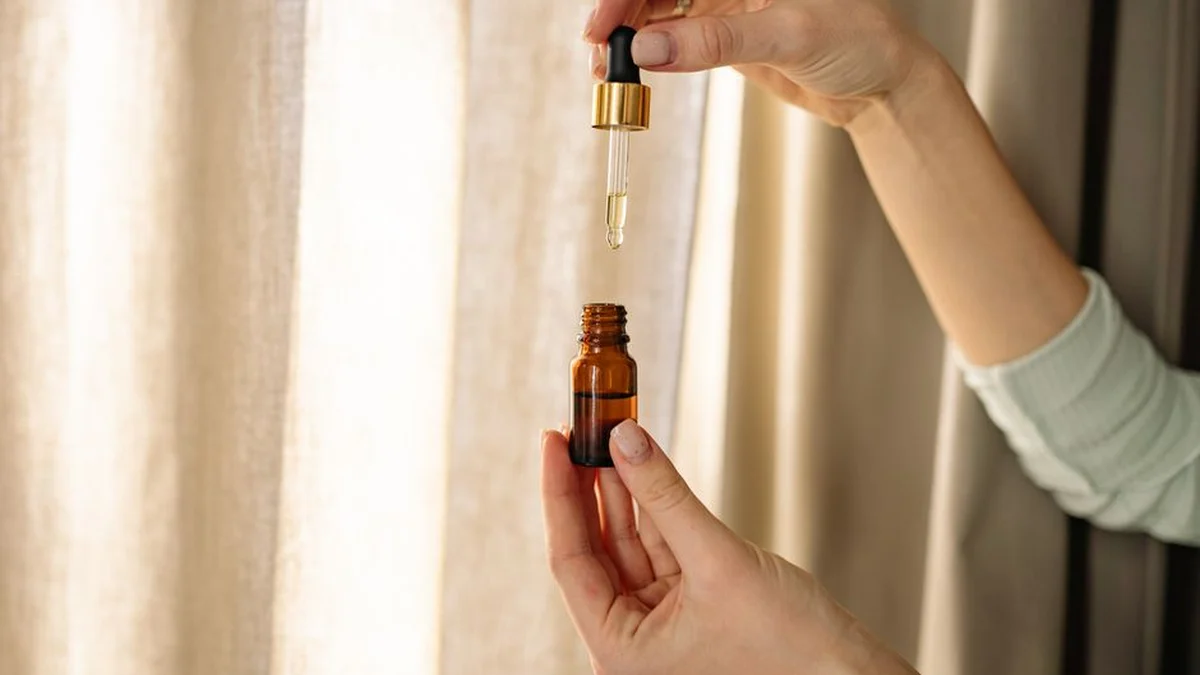
The head-to-head
Light makeup. Both fine. Micellar water is faster.
Heavy or long-wear makeup. Oil, clearly. Micellar water requires three or four pads and a lot of rubbing, which irritates skin.
Waterproof mascara. Oil. Micellar water designed for eyes is often bi-phase — you shake it to combine an oil layer with the water layer — which works, and that’s essentially admitting oil is the answer.
Sunscreen. Oil, and this matters more than most people realise. Modern sunscreens are formulated to resist water and sweat. Micellar water does not reliably remove them, and a great many people who apply SPF diligently are also not taking it off properly.
Sebum and congestion. Oil, which dissolves sebum inside the pore opening. Micellar water only lifts what’s on the surface.
Sensitive skin. Oil, because it requires no rubbing. Micellar water means dragging a cotton pad across the face repeatedly.
Convenience. Micellar water, comfortably.
The rinsing question
This is the part that surprises people.
Many micellar waters are labelled “no rinse required”. Chemically, that’s questionable — the surfactants that lifted the makeup are still on your face when you put the pad down. Leaving them there can cause dryness, irritation and, over time, barrier disruption.
The sensible practice is to rinse afterwards, or follow with a proper cleanser. Which removes most of the convenience advantage that made you choose it.
Cleansing oil is designed to be rinsed, so this question doesn’t arise.
Using cleansing oil properly
Dry hands, dry face. Water on the skin blocks the oil from reaching the oil-soluble grime, and this is the mistake that makes people think oils don’t work.
Three to four pumps. Massage for a full minute, including the hairline, jaw and around the nose.
Then wet your hands and keep massaging. The oil turns milky as it emulsifies — this is the step that lets it rinse cleanly. Twenty seconds at least.
Rinse with lukewarm water.
Follow with a second cleanser. Oil cleansing alone leaves residue.
Using micellar water properly
Saturate the cotton pad properly. A barely-damp pad drags at the skin.
Hold it against the area for a few seconds to let the micelles work, then wipe gently. Don’t scrub.
Use fresh pads as they get dirty rather than turning one over repeatedly.
Then rinse with water, or follow with a proper cleanser.
Reusable cotton pads are worth mentioning — the disposable ones add up to a substantial amount of waste over a year.
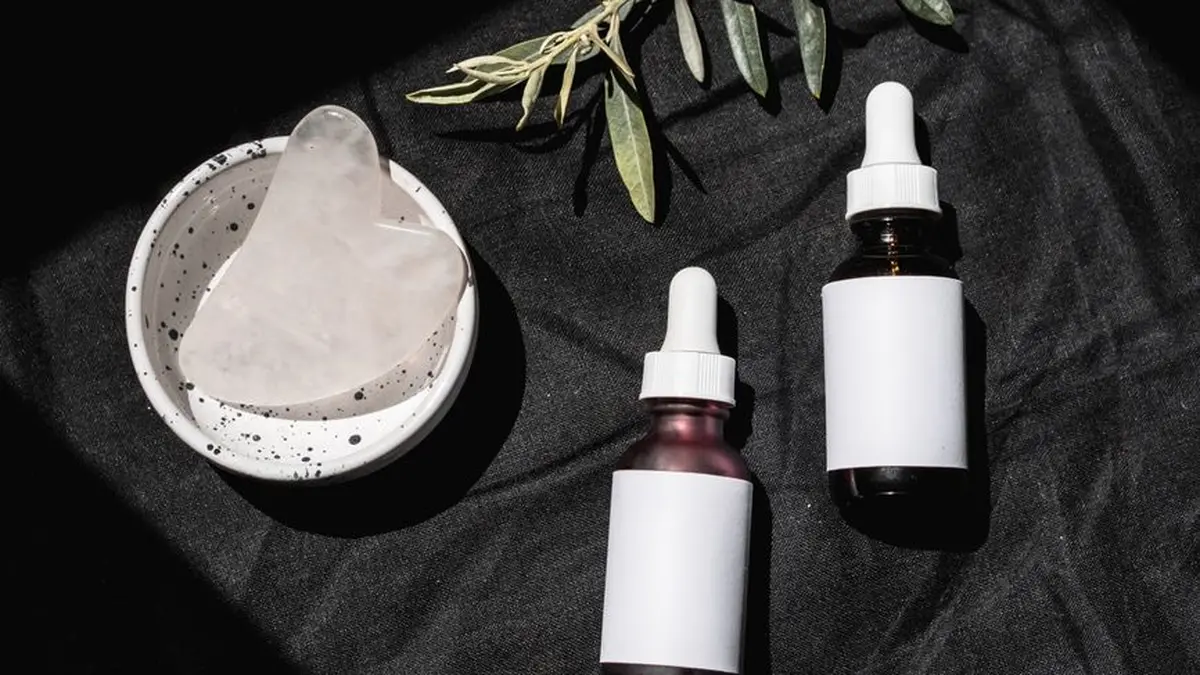
Choosing a cleansing oil
Oily or acne-prone skin. Lighter oils: grapeseed, sunflower, safflower, hemp seed. Avoid coconut oil, which is comedogenic for many people. Good emulsification is essential so nothing lingers.
Dry skin. Richer oils: olive squalane, argan, jojoba, rice bran.
Sensitive skin. Fragrance-free, no essential oils.
Squalane deserves a specific mention — it’s lightweight, well tolerated across skin types, and one of the safer choices if you’re unsure.
When to use which
Cleansing oil for your regular evening cleanse, particularly if you wear sunscreen or makeup.
Micellar water for a quick morning refresh, for travel, for removing a single mistake during makeup application, when you’re too tired to stand at a sink, or after exercise.
Having both is entirely reasonable. Having only micellar water and using it as your main cleanse is where problems start.
Oil versus balm
Same mechanism, different format.
Oil is faster, lighter, comes in a pump (more hygienic), and travels better. Better for oily skin.
Cleansing balm is more cushioning, better on very heavy makeup, and more comfortable for dry skin. Comes in a jar.
Pick based on texture preference and skin type. Neither is meaningfully better.
Common worries
“Oil will break me out.” Usually not, provided you pick a non-comedogenic oil and follow with a second cleanse. Many people with oily skin find their skin calms down on an oil cleanser, because they’ve stopped stripping it.
“It leaves a film.” Emulsify longer before rinsing, and always second cleanse.
“Micellar water stings my eyes.” Use a bi-phase formula for eyes, or an oil.
Whatever you use, the second cleanse matters — a gentle foaming cleanser afterwards is what actually leaves the skin clean rather than merely de-made-up. And for the specific question of what to use on eye makeup, and why wipes are the worst option, see makeup remover.




Comments are closed