



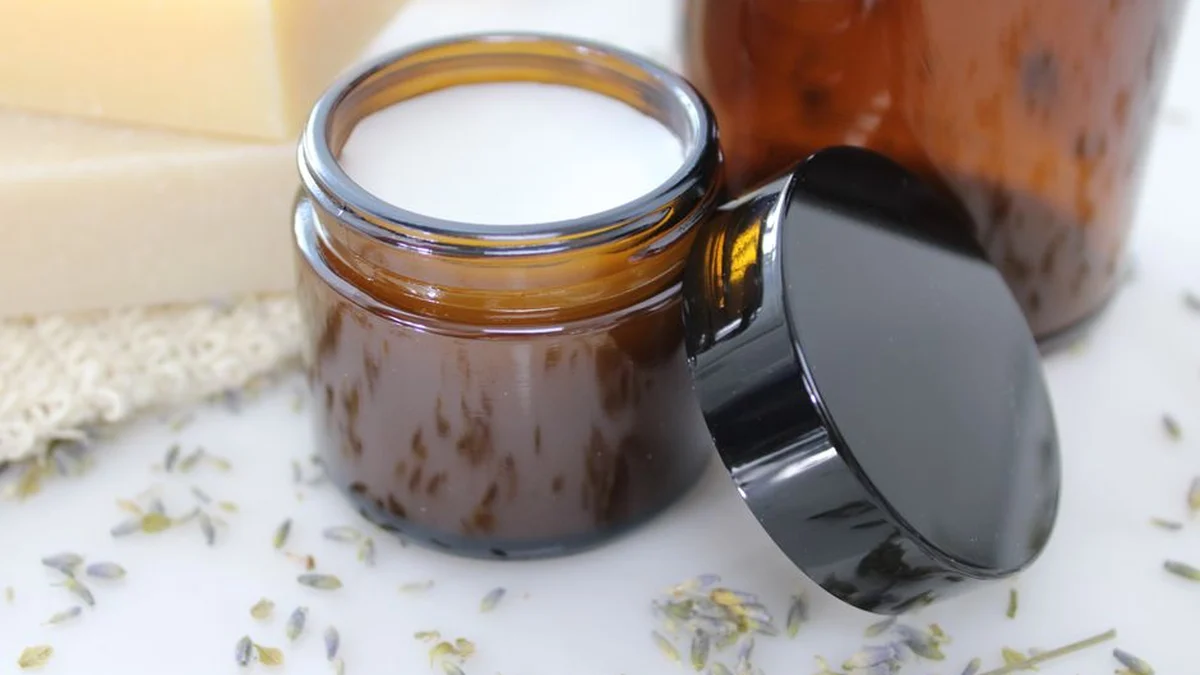
A cleansing balm is a solid oil that melts on contact with your skin. That’s it — the rest is formulation detail. And that simple mechanism does something no water-based cleanser can, because oil dissolves oil, and almost everything you’re trying to remove at the end of the day is oil-soluble.
Sunscreen, foundation, sebum, pollution particles clinging to your skin’s own oil. A foaming cleanser has to work hard to shift those, and “working hard” in cleanser terms means stripping.
Where balms fit is in the face cleansing routine guide.
How they work
The balm is a blend of oils, butters and waxes, solid at room temperature. Warmth from your fingers and face melts it into an oil.
Applied to dry skin, that oil dissolves the oil-based grime sitting on the surface. Then you add water, the emulsifiers in the formula turn the oil milky, and the whole lot rinses away carrying the dissolved makeup and sunscreen with it.
The emulsifier is what separates a good balm from a greasy one. Without adequate emulsification, the oil doesn’t rinse cleanly and you’re left with a film.
The one rule that matters
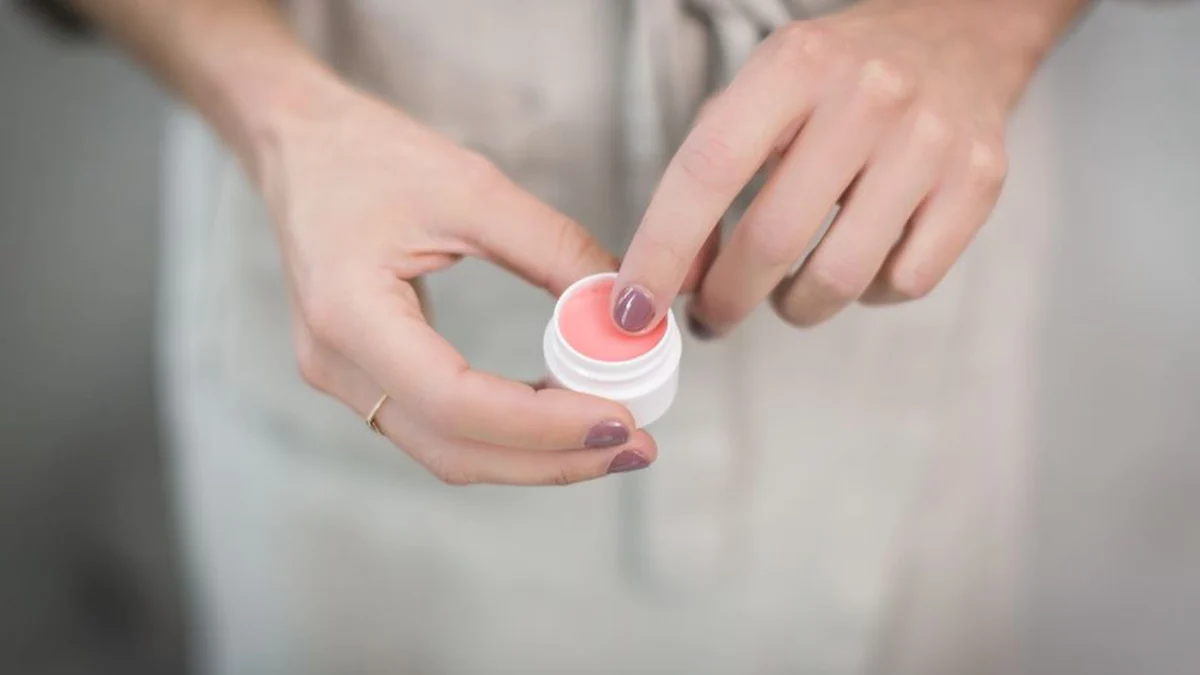
Apply to dry skin. Dry hands, dry face.
This is the single most common mistake and it undermines the whole point. Water on your face creates a barrier between the balm and the oil-soluble things you’re trying to dissolve. The balm can’t do its job.
Wet hands are almost as bad — they cause the balm to start emulsifying before it’s touched your face.
The method
Scoop with the spatula if there is one, or clean dry fingers. Hygiene matters with a jar product.
Warm it between your palms until it melts.
Massage into dry skin for a full minute. Longer if you’re wearing heavy makeup. The massage is doing the work — a ten-second smear removes far less than a proper sixty-second massage, and this is where most of the difference in results comes from.
Include the areas people skip: the hairline, along the jaw, around the nostrils, and the sides of the nose.
Then wet your hands and keep massaging. The balm turns milky as it emulsifies. Add more water and continue for another twenty seconds.
Rinse with lukewarm water until it’s completely gone.
Then follow with your second cleanser — a gel or foaming cleanser — to remove any residue and clean the skin itself.
Balm, oil or micellar water?
Balm. Most cushioning, best for dry and sensitive skin, most effective on heavy makeup. Jar packaging, which is less hygienic and less travel-friendly. Slowest to use.
Cleansing oil. Same principle, faster, lighter, pump bottle. Better for oily skin and for a quick evening routine. Detail in cleansing oil.
Micellar water. Most convenient, least thorough. Requires a cotton pad and dragging at the skin, and leaves surfactant residue unless rinsed. Fine as an occasional first step; not a substitute for either of the above.
For most people the balm is the evening product and micellar water is the emergency option.
Choosing one
Dry or mature skin. Look for shea butter, squalane and richer plant oils. These leave skin comfortable rather than stripped.
Oily or acne-prone skin. Lighter oils — grapeseed, sunflower, safflower, hemp seed. Avoid heavy butters and coconut oil, which is comedogenic for a substantial number of people. And make sure the emulsification is good, so nothing lingers.
Sensitive skin. Fragrance-free, minimal ingredients, no essential oils. Fragrance in a product you massage into your face for a minute is a common cause of reactions.
Anyone wearing heavy or long-wear makeup. A richer balm with good slip.
Ingredients to be wary of
Essential oils and added fragrance, particularly for sensitive or reactive skin.
Coconut oil high in the list, if you’re acne-prone.
Menthol or camphor, which feel cooling and are irritating.
Common problems
Greasy residue after rinsing. Either the balm has poor emulsifiers, or you didn’t emulsify long enough. Add water and keep massaging for a full twenty seconds before rinsing, then always follow with a second cleanse.
Breakouts after starting. Could be a comedogenic oil, or it could be that you’re not following with a second cleanse. Balm alone, without a follow-up, leaves residue on the skin overnight.
Stinging in the eyes. Some balms handle eye makeup badly. Use a dedicated eye makeup remover first, or find a balm formulated as eye-safe.
It doesn’t remove everything. Massage longer. A minute feels like a long time and most people do fifteen seconds.
Hygiene, and the jar problem
Balms come in jars, and jars are less hygienic than pumps because your fingers go in every time.
Use the spatula. If there isn’t one, use clean, dry hands. Never dip wet fingers in — water introduced into an anhydrous product is what causes it to spoil, and balms often have minimal preservative systems precisely because they contain no water.
Keep the lid on properly, store somewhere cool, and replace it if the smell or texture changes.
Is it worth it?
If you wear sunscreen daily — and you should — then yes. Sunscreen is designed to be water-resistant and it does not come off properly with a foaming cleanser alone. A great many people who wear SPF diligently are also not removing it properly, which is its own problem.
If you wear makeup, yes.
If you wear neither, no. A gentle cleanser is enough, and a balm is an unnecessary step.
You also don’t need an expensive one. Well-formulated balms exist at supermarket prices, and the technique matters considerably more than the price. What you’re paying for above about £15 is usually texture, scent and packaging.
And if you’re using one specifically to get makeup off, the wider options — including what to avoid — are in makeup remover.






Comments are closed