



Mousse spent about fifteen years being unfashionable, largely on the strength of what it did to hair in the 1980s. The formulas have changed completely. What hasn’t changed is the reason it exists: it delivers hold and definition with almost no weight, and nothing else on the shelf does that.
If your curls look good in the shower and flat by the time they dry, weight is very likely the problem, and mousse is the correction. Where it sits alongside the other stylers is set out in the guide to curly hair products.
Why fine curly hair is different
Fine hair has a smaller strand diameter, which means less structural strength and far less capacity to carry product. A dose of cream that a coarse-haired person would consider stingy will flatten fine curls completely.
Fine and dense is the combination that confuses people most, and it is the distinction almost no guide makes. You can have a great deal of hair and still have fine strands. Thickness of the ponytail and thickness of the individual hair are separate measurements. If your hair looks abundant but goes limp with product, you are fine-haired and dense, and mousse is your styler: you need a large volume of a low-weight product, which is exactly what mousse is designed to be.
If your strands are fine and there simply isn’t much hair, you need less of everything, and one light product is usually the whole routine.
What mousse actually is
Mousse is a gas-in-water emulsion. A propellant is held under pressure in the can; when you press the nozzle the pressure drops, the propellant flashes off, and bubbles form throughout the liquid. Surfactants hold that foam together and help it wet the hair.
The working part is the film-forming polymer. As the water evaporates, those polymers knit into a continuous film around each strand, and the film is only about a tenth to half of a micron thick, against a much heavier deposit from gel. That thinness is the entire reason mousse feels like nothing.
Volume then comes from two separate effects, which is worth knowing because they need different things from you:
Bending resistance. The film stiffens the surface of the strand, so it resists collapsing flat against the scalp.
Shape memory. The film hardens around whatever position the hair was held in while it dried. Dry it lifted and it stays lifted. Dry it flat and no quantity of product will save you.
That second one is the important one. Mousse does not create volume. It holds volume that you created by drying the hair in a lifted position.
How wet should the hair be? This one matters
You will find confident instructions in both directions here, and unusually the disagreement turns out to be informative rather than annoying.
Most sources say damp, roughly seventy to eighty per cent towel-dried. The reason is dilution: mousse is mostly water already, and applying it to dripping hair thins the polymer below the concentration at which it can do its job. The foam collapses and the film that forms is too weak to hold anything up.
Curl-specific brands, on the other hand, tend to say wet, because on a wash-and-go it is water that makes curls clump, and a slightly weaker film is a fair price for defined clumps.
Both are right about different jobs, so choose by what you want:
For root volume, finished with a dryer, blot properly first. Seventy to eighty per cent dry. Any wetter and you lose the lift, which was the whole point.
For curl definition on an air-dried or diffused wash-and-go, wetter is fine and gives better clumping.
But in both cases, blot first. Dripping wet is genuinely wrong for mousse in a way it is not wrong for cream or gel, and this is the single thing that separates mousse from every other styler in the routine. Squeeze the excess out with a microfibre towel or a cotton T-shirt before you reach for the can.
How much, and how
Published advice on dosage ranges from two pumps to a tennis ball, which tells you it is the wrong way to think about it. Mousse is mostly air, so the useful measure is coverage, not volume: enough that every section gets an even coat.
A golf-ball-sized amount is a sensible starting point for medium-length, medium-density hair. Go up for long or dense hair, down for short or sparse. Then adjust based on what happened last time rather than on anyone’s coin comparison.
What matters more than the amount:
Shake the can hard, and dispense it upside down. An unshaken can gives you a wet, half-collapsed foam with the propellant separated out.
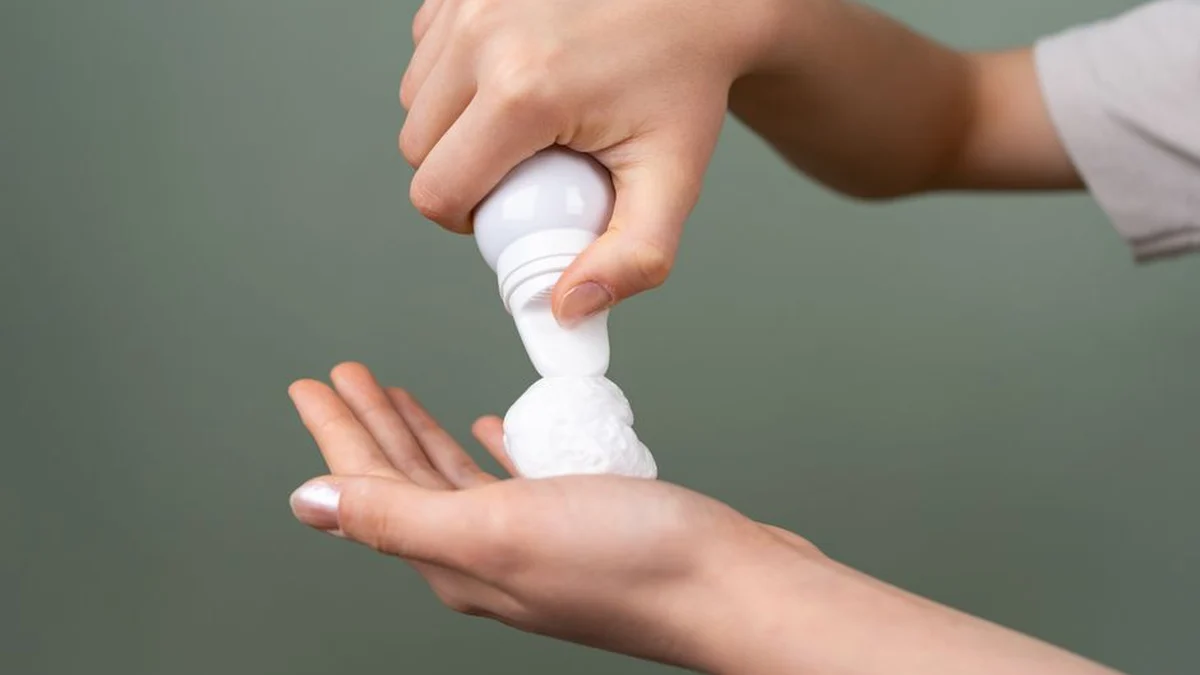
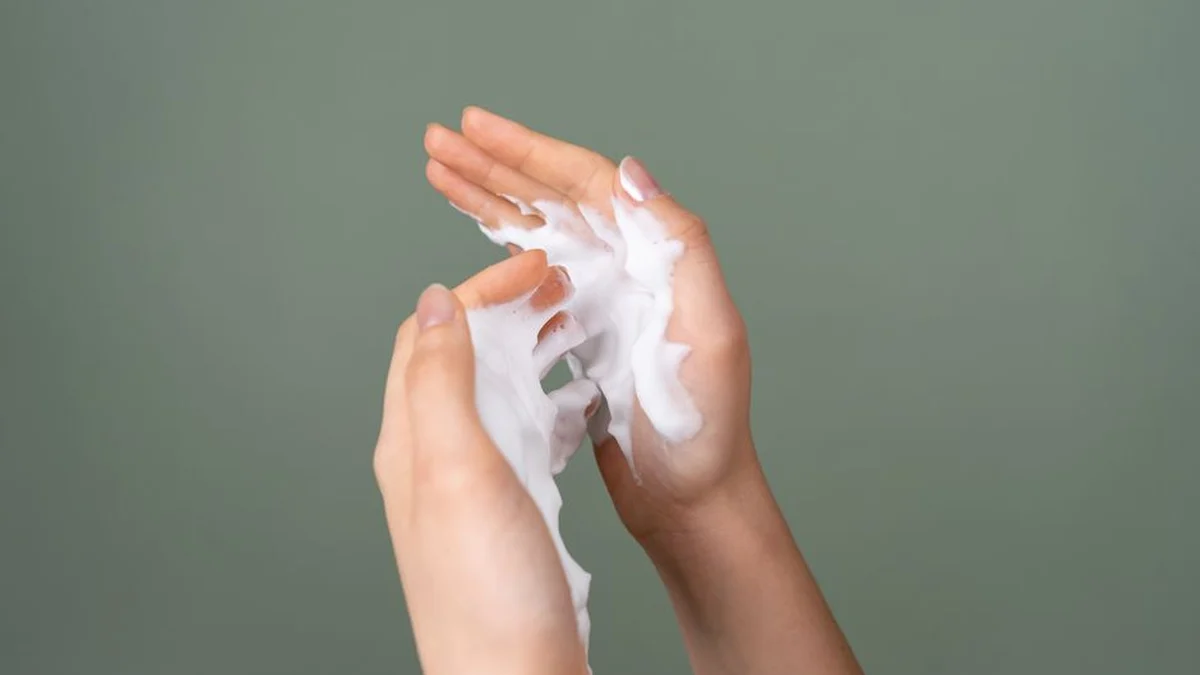
Do not scrub your palms together. The foam structure is the delivery system. It is what carries a tiny quantity of polymer across a very large surface area. Rubbing it flat destroys that and you end up with uneven, patchy coverage. Close your hands around it to warm it briefly, then apply.
Two light coats beat one heavy one. A coat, a scrunch, then a second light coat gives noticeably more hold than the same total amount applied at once, and does it without weight. Nobody says this and it is the most useful thing in this article.
Work in sections, roots first, then through the lengths. Keep it a couple of centimetres off the scalp itself. There is nothing there to hold up and it will look unwashed by the afternoon.
Scrunch upward for curl and clump. On tighter curls, rake through with the fingers first to distribute, then scrunch.
Never comb it through afterwards. That breaks every clump you just made.
Root lift, properly
This is the thing mousse does better than any other product, and the reason it is worth owning even if you style with something else.
Apply a small amount directly at the roots on damp hair, then either dry with your head flipped forward, or clip the roots up while the hair air dries. Sectioning clips set at the root, in the direction opposite to your natural parting, hold the lift in place while the polymer sets.
Remember the shape memory: the volume comes from the hair drying in a lifted position, and the mousse simply freezes it there. If you are using a dryer, finish with the cool setting. The film completes its cross-linking as it cools, and releasing the hair while it is still warm undoes the work.
For a heat-free route to the same thing, setting damp hair overnight for heatless curls produces root lift that lasts longer than anything a dryer gives you.
The label detail that predicts British performance
If your mousse works beautifully in March and abandons you in August, look at the polymer.
PVP is flexible, light and non-sticky, and it is humidity-sensitive. It takes on atmospheric water and softens, which is precisely what you don’t want on a muggy day.
VP/VA copolymer is the same family with vinyl acetate added, and it holds up considerably better in damp air.
You will find both named on ingredients lists. For a British summer, or anywhere near the coast, VP/VA is the one to look for. If your mousse lists PVP alone and you live somewhere humid, that is not a technique failure. It is the wrong polymer for your weather, and a humidity resistant hair spray over the top is the practical workaround.
One more formulation trade-off worth knowing: plasticisers, usually glycerin, are added to stop the film going crunchy. Useful, but too much of them softens the film to the point where it stops defining. A mousse that feels lovely and does nothing is usually over-plasticised.

The alcohol question, closed
Older mousses relied on short-chain alcohols to evaporate fast and set the polymer. They dried hair out, and that is where the brittle reputation comes from.
Most current formulas are either alcohol-free or use fatty alcohols, which are conditioning rather than drying. Cetyl, cetearyl and stearyl alcohol are emollients despite the name. The one case where it still matters is damaged hair: alcohol-heavy formulas are genuinely rough on a compromised cuticle, so if you bleach, check the label. For everyone else this is a solved problem and not worth worrying about.
Mousse compared with the alternatives
Against cream: mousse gives more hold and far less moisture. If your hair is fine but also dry or damaged, you may need a light leave-in underneath. Use a curl defining cream very sparingly, or a spray leave-in, then mousse over the top.
Against gel: mousse is lighter, softer, and easier to get wrong in the direction of not enough hold. Gel wins in humidity. A frizz control gel is the better choice if frizz is your main complaint rather than flatness, or layer mousse first and a light gel over the top, which is a good combination for fine hair that needs a cast the mousse alone won’t build.
Against curl foams: several products now sit between the two, marketed as foams rather than mousses. They tend to be mousse with more conditioning agents, and they suit medium-density hair that finds true mousse insufficient.
Making it last
Mousse sets into a soft cast. Let the hair dry completely, genuinely completely, not nearly, before scrunching it out. Breaking the cast early is the single most common cause of a mousse style dropping within the hour.
On day two, mousse re-activates readily with water, which makes it one of the easiest stylers to live with midweek. A curl refreshing spray and thirty seconds of squeezing brings it back, and because the film is thin, it softens faster than a heavy gel cast does.
If you are diffusing, keep the heat moderate and the airflow low. Fine hair takes heat damage faster than coarse hair, and the temperature guidance in the hair styling tools guide applies to diffusers as much as to irons.

Why yours might not be working
You applied it to dripping hair. Diluted polymer, collapsed foam, no hold. Blot first.
You rubbed it between your palms. Foam destroyed, product went on unevenly.
Not enough, or all at once. Mousse is so light that people under-dose it badly. Try two light coats rather than one.
You dried it flat. No amount of product produces volume from a head that dried against the scalp.
Your hair isn’t actually fine. Coarse, dry curls will find mousse insubstantial no matter how much you use, and there is nothing to fix, you need a cream or a gel.
The curls have lost their spring entirely. That is usually a protein or moisture imbalance rather than a styling problem, and a round of curl revival products will tell you which.
The short version
Mousse is the fine-haired curly person’s answer. Blot the hair first. This is the one styler that dripping wet actively harms. Shake the can, don’t scrub the foam flat, apply in two light coats rather than one heavy one, clip the roots, and let it dry completely before you touch it.
And if it dies every August, check the polymer before you blame yourself.





Comments are closed