



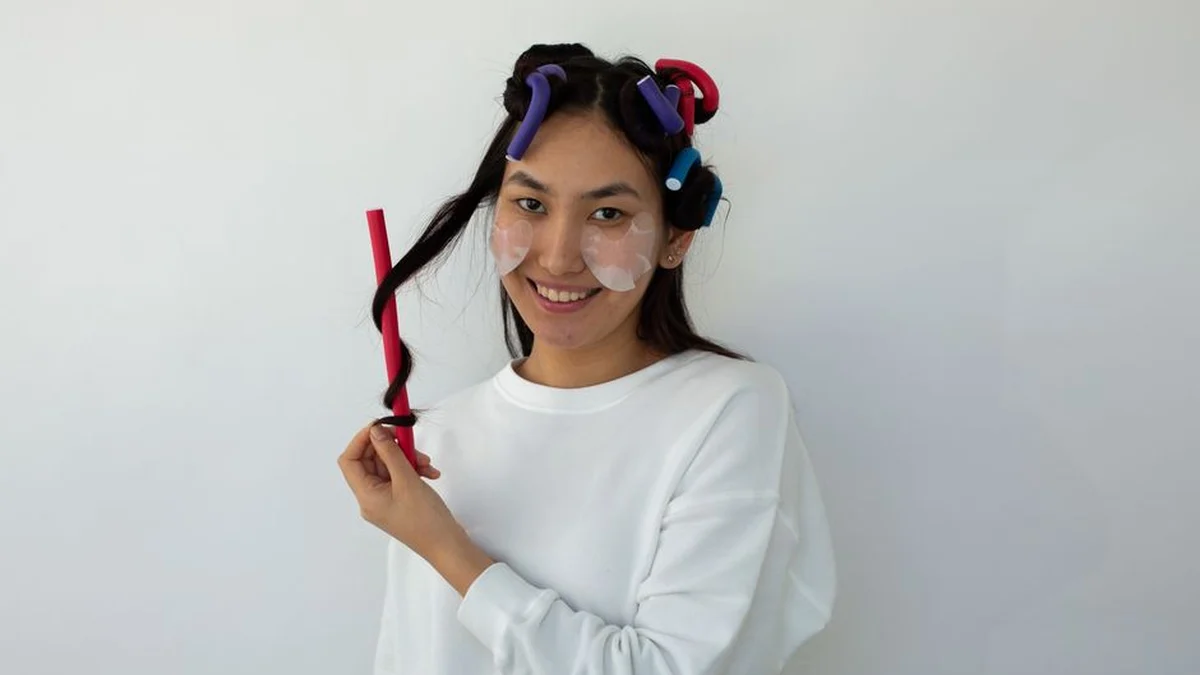
You know the moment. You wrapped everything up last night, slept slightly awkwardly on it, and now you are standing in front of the mirror with a scrunchie in one hand, about to find out whether any of it worked.
Sometimes it does. You unwind the length and it falls into a proper wave that holds all day. Sometimes you get a handful of cold, damp bends that look like nothing at all, and you reach for the dryer feeling faintly cheated.
The difference between those two mornings is almost never the method. It comes down to one thing, and once you know what it is, the whole business stops being a gamble.
Why hair holds a shape at all
Hair is held in its everyday shape by hydrogen bonds. Water breaks them. Drying re-forms them.
That is the entire trick. Wet the hair, hold it in a new shape, let it dry while it is being held there, and the bonds re-set in that position. They stay put until the next time the hair gets properly wet, or until the air gets damp enough to break them for you.
A curling iron does the same job. It just drives the water out faster, with heat, and heat is what wears the hair down over months and years. The bonds themselves do not care whether the water left at room temperature overnight or at 200°C in thirty seconds.
Which is why a heatless set often lasts longer than tongs. A slow dry gives those bonds time to settle properly. Half a minute round a hot barrel does not.
Hold on to that one idea, because every single thing that goes wrong below traces back to it.
The bit everyone gets wrong: how damp is damp
Ask five sources and you will get five answers, from “almost dry” to “about sixty per cent dry”. That looks like chaos. It is actually a dial, and you are the one choosing where to set it.
Wetter means a stronger set that lasts longer, and a much longer drying time. More water means more bonds broken, so more of them re-form in the new shape.
Drier means a faster set that drops sooner. Fewer bonds were broken, so there is less holding the shape.
That explains why the brands selling headband kits tell you to start on nearly dry hair. They are describing a set you put in for an hour or two before going out. At that timescale, dry is the only thing that works. They are answering a different question from the one you ask on a Tuesday night before bed.
So pick by what you are doing:
- Overnight, seven or eight hours: about eighty per cent dry. Damp to the touch, no drips, no cold feel. This is the setting that works for most people most of the time.
- Thick or coarse hair overnight: a bit wetter, closer to seventy per cent, and give it eight to twelve hours.
- An hour or two before going out: nearly dry, and accept that it will see you through the evening and no further.
- Fine hair: drier than you would guess, plus a setting product, because fine hair dries fast and holds badly.
The two ways to get it wrong are worth naming plainly. Go in dripping and you wake up to damp bends, because the bonds never finished re-forming before you unwrapped. Go in bone dry and nothing takes, because you never broke any bonds to begin with.
If your hair is thick and you cannot get it damp-dry in an evening, rough-dry it on a low setting until it stops feeling cold, then set it. That small amount of heat is a fair trade for a set that actually holds.
Picking a method that suits your hair
Most guides list a dozen techniques and leave you to guess. The choice really comes down to how long your hair is and how thick each strand is.
The robe belt, or a curling headband. A soft tube laid across the crown, with hair wrapped around each side and secured at the ends. Gives long, even waves. Needs hair at shoulder length or below, because shorter hair cannot wrap enough times to build a shape. One tip that took people a while to work out: sit the belt towards the back of your head rather than dead centre, or you get a crease across the top.
Flexi rods. The most controllable option, and the most forgiving. Rod diameter decides curl size, so narrow rods give ringlets and wide ones give loose waves. Works on almost any length, including a bob.
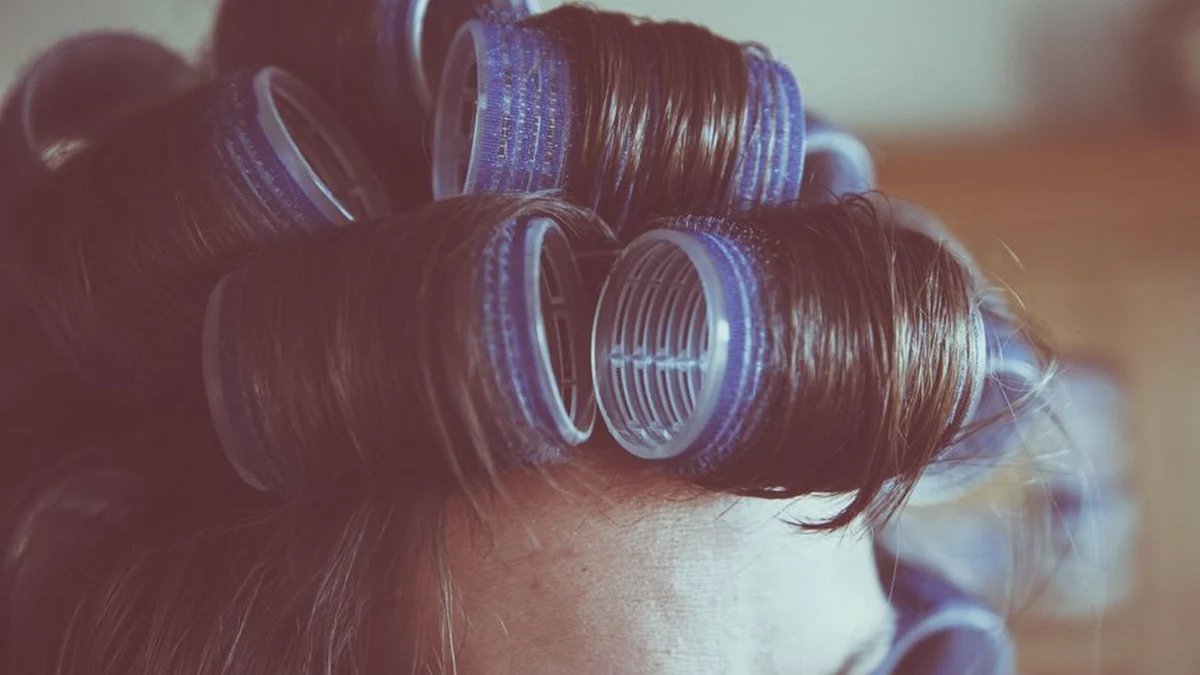
Foam rollers. Comfortable to sleep on, and they give the most even result of anything here. Medium rollers for waves, small for curls.
Bantu knots. Sections twisted and coiled tight against the scalp. Springy, well-defined curls with good root volume, and they suit thicker and coarser textures better than anything else on this list.
Pin curls. The old-fashioned answer, and still the best one for fine or short hair. No bulk to sleep on, and small sections give a proper vintage curl.
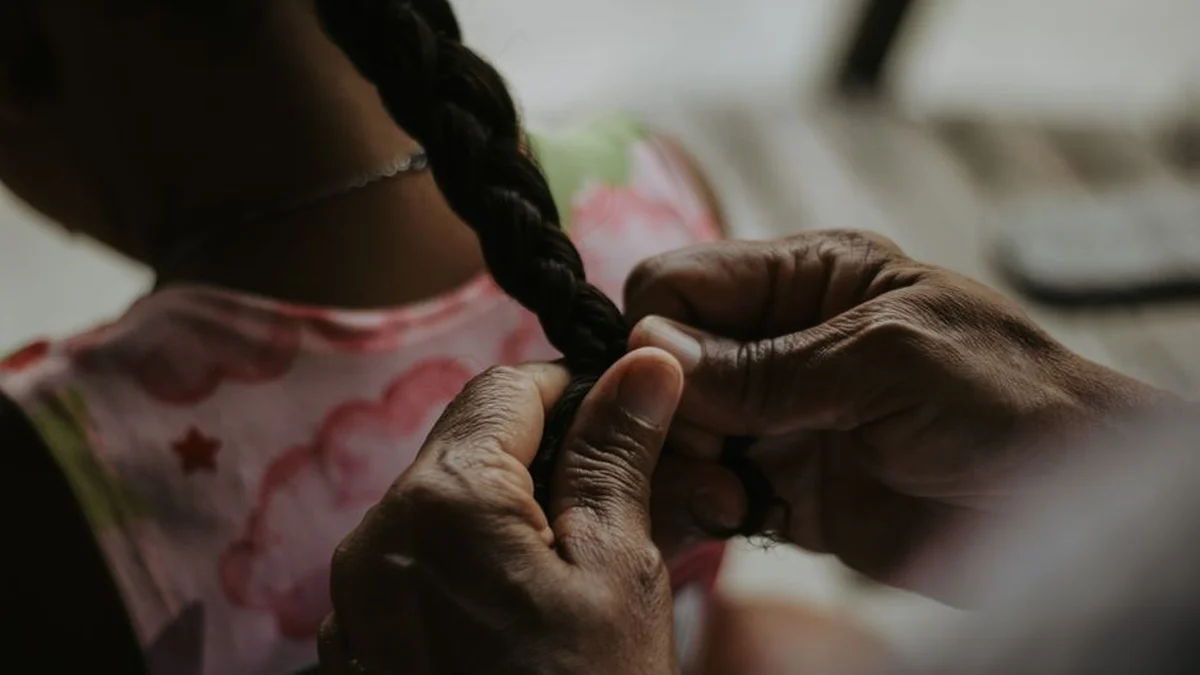
Braids. The lowest-effort version by a distance. Two braids give a soft S-wave, six to eight give something much tighter. The wave is more crimped than curled, which some people prefer and some do not.
The sock bun. Fine for a soft wave through the lengths, poor at the ends, which tend to come out straight. Better for movement than definition.
If your hair is short
This is where most advice quietly stops being useful. Below the shoulders, the headband and robe belt methods have nothing to grip. Braids need chin length at minimum.
What does work on a bob is small flexi rods, foam rollers or pin curls, in four to six sections rather than two. On a pixie, twist-and-pin or very small rollers will give you movement and texture, but not curls, and it is better to know that before you spend an evening on it.
Getting a clean result
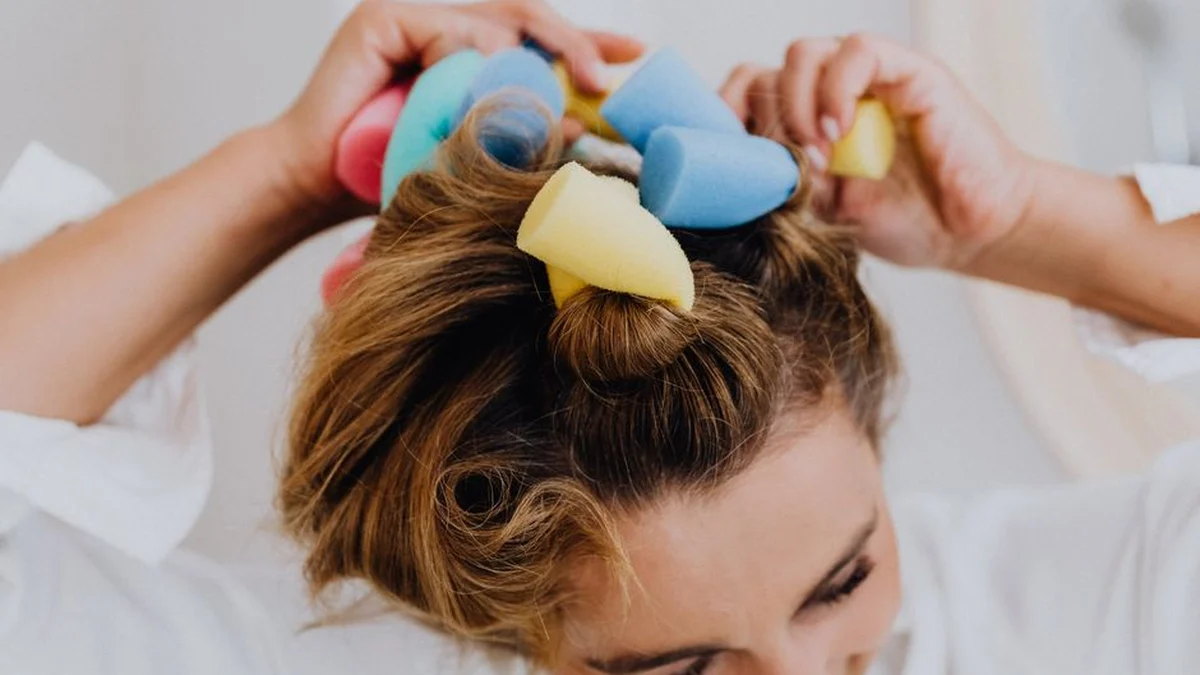
Section properly. Four sections at a minimum, more if your hair is thick. Wrapping too much hair around one rod means the middle of the bundle never dries, and you unwrap a set that half-worked.
Tuck the ends in. Ends left poking out dry straight, and nothing gives away a rushed job faster. Wrap right to the tip.
Wrap in the same direction on both sides. Away from the face reads as deliberate. Mixed directions read as an accident, though alternating deliberately between sections does give a looser, less uniform look if that is what you are after.
Use a silk or satin scrunchie rather than an elastic. An elastic leaves a dent you will spend the morning trying to fix.
A light hold product helps the set take. Mousse suits this job better than anything else because it adds no weight, and it wants blotted rather than dripping hair anyway, which is exactly the state you are in. The curl enhancing mousse guide covers how much to use. A leave-in or a light curl defining cream works too. Skip anything oily, since it slows the drying, and drying time is the one thing you cannot spare.
In the morning
Check it is properly dry before you touch anything. Run a hand over the outside of a wrapped section. If there is any coolness to it, leave it another twenty minutes.
Unwrap gently, then leave it alone for five or ten minutes. The shape settles as it cools, and pulling it about straight away undoes some of what the night just built.
Then separate with your fingers, and only as much as you need. Do not brush. A little oil or serum warmed on the palms softens the separation without flattening it.
When it goes wrong
Nearly every failure has a single, findable cause.
The ends came out straight. You stopped wrapping before the tip. Go all the way to the end next time.
You woke up to damp bends. Too wet going in. Blot more, or start earlier.
It dropped by lunchtime. Too dry going in, sections too large, or not enough hours. Usually the first.
There is a crease across the crown. The rod or belt sat too far forward. Move it back along the crown and wrap from the root.
The roots are flat. You started wrapping too low down. Take smaller sections at the top and start higher.
One side looks different from the other. You wrapped in opposite directions without meaning to.
A halo of frizz round the top. Friction against the pillow overnight. A satin pillowcase fixes this on its own, and it helps every other thing you do to your hair as well.
Two British problems nobody warns you about
Everything above is written as though weather does not exist. It does.
Humidity breaks the set. Go back to the hydrogen bonds. Damp air puts water back into the hair, the bonds let go, and the shape relaxes out. That is physics, not a failure of technique, and it is why a set that looked immaculate at eight in the morning is a soft mess by two on a muggy day. A light hold spray over the finished curls buys you time, and on genuinely bad days a humidity resistant hair spray is what actually holds. If frizz rather than droop is the problem, the anti frizz hair products guide covers the layering that works.
A cold room slows the drying. This one catches people out every winter. A bedroom at fifteen degrees dries hair far more slowly than one at twenty-two, and a set that worked all summer suddenly comes out damp in November. Nothing about your method changed. The room did. Start an hour earlier, or blot more before you begin.
One related thing worth saying: going to sleep with genuinely wet hair, night after night, is not great for your scalp. A damp scalp under a bonnet for eight hours is a warm, humid environment, and some people find it brings on itching or flaking. If that sounds familiar, the scalp care routine guide is worth a look, and dry the roots properly even when the lengths stay damp.
Who gets the most out of this
Straight and fine hair takes a heatless set readily and drops it fast. Expect a day.
Medium and wavy hair is the sweet spot, holding two to three days with a bit of care overnight.
Naturally curly hair uses these methods differently, mostly for stretching and elongating the pattern rather than creating curl. Where that fits in a curl routine is covered in the guide to curly hair products.
The people who benefit most, though, are anyone whose hair cannot take much more heat. If you colour or lighten, every session with tongs costs you something, and swapping three of them a week for a fabric belt is a bigger win than any bond-repair product you can buy. The hair colour care guide covers what else to change. And if you still use hot tools for the other days, the temperature limits in the hair styling tools guide are worth respecting.
Day two and three
A good set will go again. Sleep in a satin bonnet or with the length gathered loosely on top of your head, and in the morning the curls will have flattened on one side and kept their shape everywhere else.
Mist the flat side until it is properly damp, squeeze it upward a few times, and let it dry. That is the same principle as everything above, just on a smaller scale. A curl refreshing spray does it more neatly than plain water, though plain water works better than most people expect.
The short version
Eighty per cent dry for an overnight set. Section properly, wrap to the very end, keep the direction the same on both sides, and sleep on satin.
Do not unwrap until it is bone dry, and give it ten minutes to cool before you touch it.
If it came out damp, you set it too wet. If it dropped by lunchtime, you set it too dry. Almost nothing else about this goes wrong.




Comments are closed