



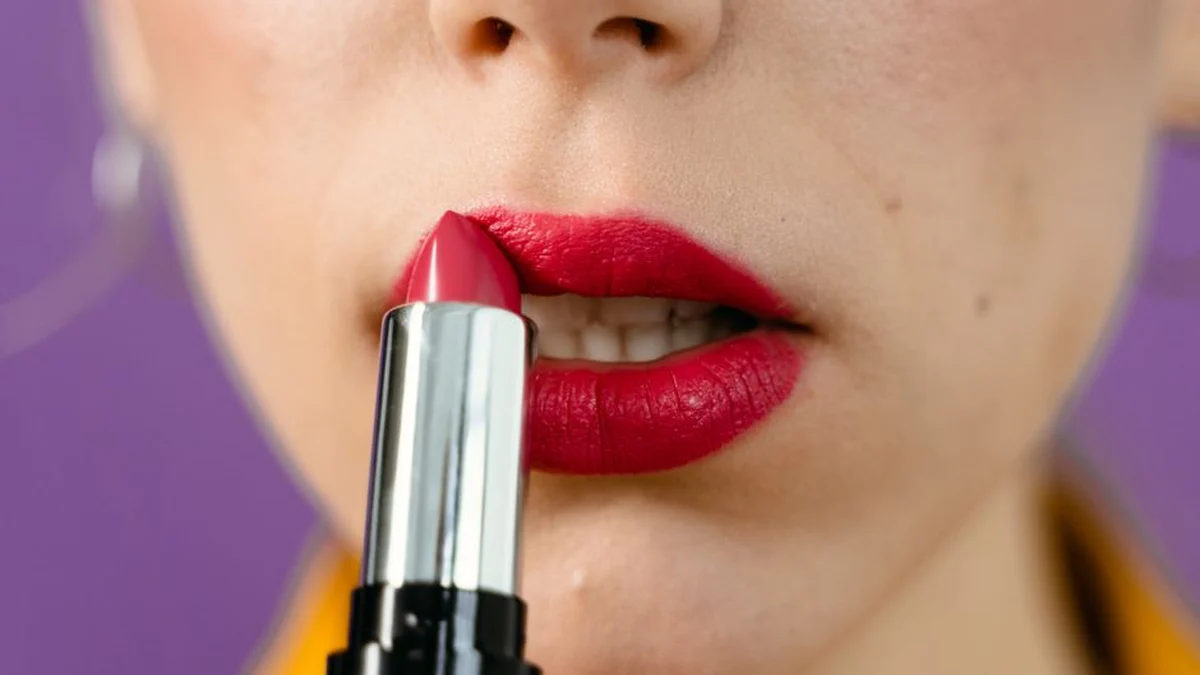
Lips are the only part of your face with no oil glands, no sweat glands and a stratum corneum a fraction the thickness of the skin around them. They have almost no natural defence against cold air, wind, central heating or the act of being licked forty times a day.
Which is why British winters are so hard on them, and why the balm you reach for in January may be part of the problem rather than the solution.
Why lips chap
No oil glands means no sebum, and no sebum means nothing holding moisture in. Water evaporates from the lip surface faster than anywhere else on the face.
Add the specific British combination — cold wind outside, dry central heating inside, several transitions a day between them — and you have the conditions for chronic chapping from about October.
Licking your lips makes it worse, not better. Saliva evaporates quickly and takes surface moisture with it, and it contains digestive enzymes that irritate already-damaged skin. The relief lasts thirty seconds and the damage compounds.
Balm ingredients that work
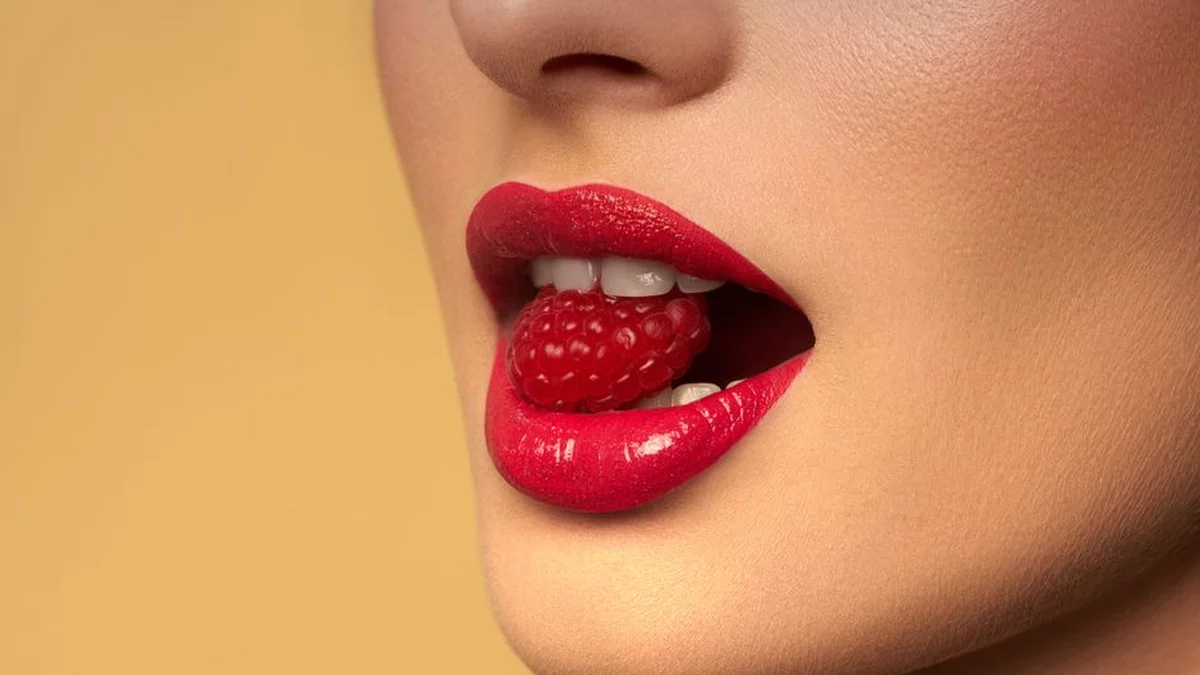
Occlusives are the important category — they physically prevent water escaping. Petrolatum, lanolin, beeswax, shea butter. Petrolatum is unglamorous and remains the most effective barrier available.
Emollients soften: squalane, plant oils, ceramides.
Humectants draw in water: glycerin, hyaluronic acid. Useful, but they need an occlusive over the top or they can pull moisture out of the lip in dry air.
The ingredients that make chapping worse
This is the section worth reading, because a great many popular balms contain at least one.
Menthol, camphor, phenol and eucalyptus. They create a cooling, tingling sensation that feels like relief and is actually mild irritation. They also dry the lip surface, which means you reapply sooner — a cycle that keeps you buying balm and keeps your lips chapped.
Salicylic acid in a lip product, which exfoliates skin that’s already compromised.
Fragrance and flavouring, common causes of contact dermatitis on lips.
If you feel genuinely dependent on a particular balm — reapplying every twenty minutes — switch to a plain occlusive with none of the above for two weeks. Most people find the dependency was the product.
Exfoliating, carefully
Flaky lips can’t hold colour and matte lipstick will cling to every flake.
But over-exfoliating lips is common and counterproductive — the barrier is already thin. Once or twice a week maximum, gently, and never on cracked or bleeding lips. The methods are in lip scrubs.
The gentler route: apply a thick balm, leave it ten minutes, then wipe with a soft damp cloth. Softening and lifting beats scrubbing.
Prepping for colour
Most complaints about lipstick — patchy, cracking, settling into lines — are preparation problems.
Exfoliate the night before, not immediately before.
Balm, then wait. Ten minutes, then blot the excess. Applying lipstick onto wet balm means it slides and won’t set.
A dab of concealer or lip primer evens the natural lip colour and gives the pigment something to grip.
Line first, which stops feathering and sets the shape — see lip liner.
The formats
Bullet lipstick. The classic. Comfortable, buildable, needs reapplying after eating.
Liquid lipstick. Longest wearing, most pigmented, and the most drying — the technique for making it comfortable is in liquid lipstick.
Lip gloss. Shine and dimension, minimal staying power. Modern glosses are far less sticky than they used to be.
Lip oil. The current favourite — sheer colour with genuine care ingredients. The comparison with balm is in lip oils vs lip balms.
Lip stain and tint. Sheer, long-lasting, no reapplication. Excellent under a mask or on a long day.
Lip crayon. Precision of a liner with the coverage of a lipstick.
Making colour last
Line and fill the entire lip with liner first, which gives the colour something to hold onto across the whole surface rather than just at the edges.
Apply the first thin layer, blot with a tissue, apply a second. The blotting removes the slip and locks the pigment in — this is the single most effective longevity technique.
Avoid oily foods where you can, and drink from the same side of a glass.
Skip the powder-through-a-tissue trick on dry lips; it works and it’s uncomfortable.
Choosing a shade
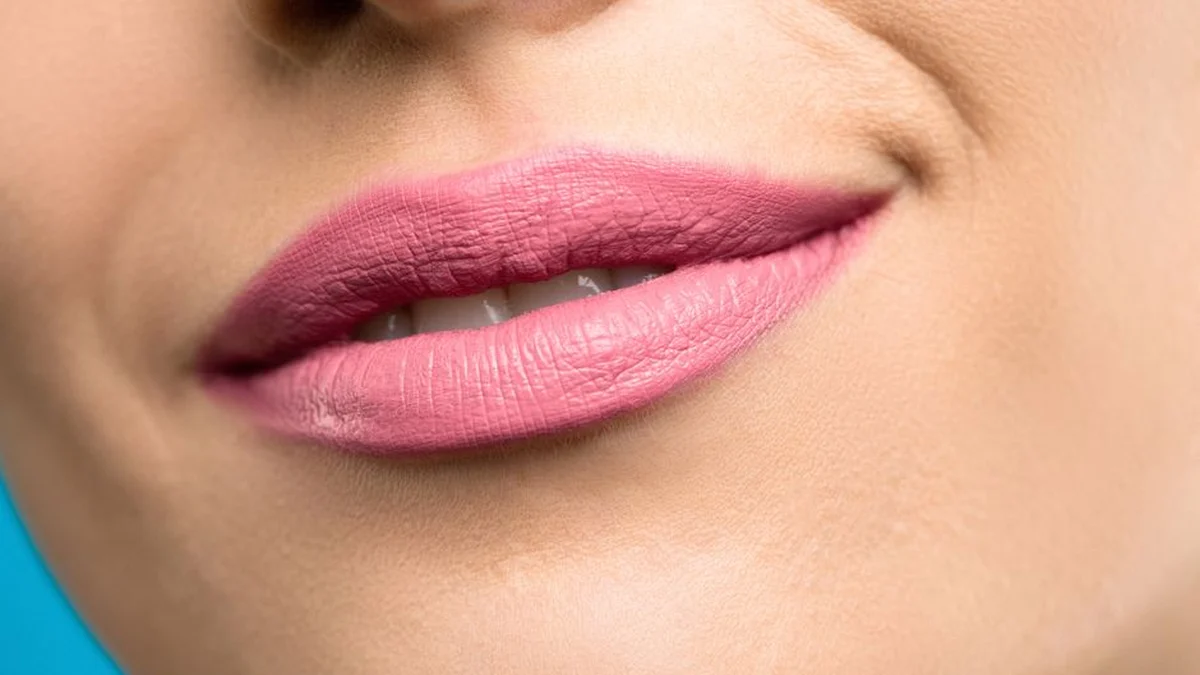
Undertone matters more than depth. Cool-toned skin generally suits blue-based reds, berries and pinks. Warm-toned skin suits orange-based reds, corals and warm nudes.
Nudes are the hardest. A nude that’s too pale washes you out; the useful approach is one shade deeper than your natural lip colour, in your undertone.
A blue-based red makes teeth look whiter. An orange-based red does the opposite, which is worth knowing before an event.
Test on your lips, not your hand. Lip colour changes against natural lip pigment in a way it doesn’t on skin.
Fixing common problems
Feathering into lines around the mouth: a lip liner, or a clear anti-feathering pencil around the outside.
Patchy application: flaking lips. Exfoliate and hydrate the night before.
Colour on your teeth: after applying, put a clean finger in your mouth, close your lips around it and pull it out. It removes the inner-lip product that transfers.
Uneven lip shape: conceal the natural edge lightly, then redraw with liner. Small adjustments only — the fuller the overdraw, the more visible it is.
Cracking with matte formulas: the lips were dry to begin with. Prep is everything.
Sun protection
Frequently forgotten and genuinely important. Lips have very little melanin and get significant UV exposure, and lip cancers — particularly on the lower lip — are strongly associated with sun exposure.
An SPF 30 lip balm, reapplied like any other sunscreen. The wider case is in the sun protection skincare guide.
See a GP about any lip sore, patch or ulcer that doesn’t heal within three weeks, any persistent white or red patch, or any lump. Non-healing lesions on the lip need assessing rather than treating with balm.
When chapping isn’t just chapping
Angular cheilitis — persistent cracking at the corners of the mouth — is usually a fungal or bacterial infection rather than dryness, and it needs a pharmacist or GP rather than balm. It can also indicate iron or B vitamin deficiency.
Persistent chapping that no balm improves may be contact dermatitis from a product, toothpaste, or something you eat. Switching to a plain occlusive for two weeks usually identifies it.
Cold sores need antiviral treatment, not balm, and the product you used on them should be thrown away afterwards.
Peeling with a burning sensation after using a plumping product is irritation — see lip plumper, where the mechanism is explained.
This article is general information, not medical advice. Any lip sore, ulcer or patch that has not healed within three weeks should be assessed by a GP or dentist.

Comments are closed