



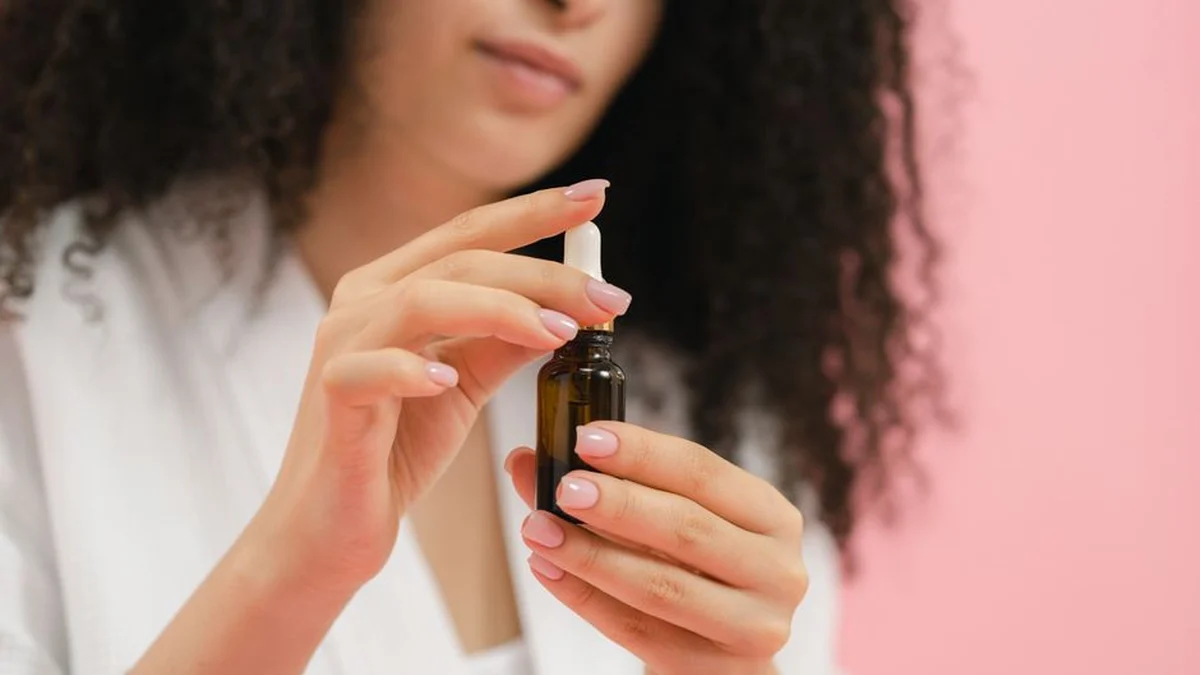
Scalp serums are the newest arrival in the hair aisle and the one carrying the heaviest marketing load. A lot of bottles imply, without ever quite saying, that they will regrow hair. Most of them will not.
What a good one will do is address the environment the hair grows in — hydration, oil balance, inflammation, follicle congestion — which is worth doing and is the actual point. Understanding the difference between those two claims saves a lot of money.
Serums are the treatment step of a full scalp care routine, applied after cleansing and left on.
Serum or oil — not the same thing
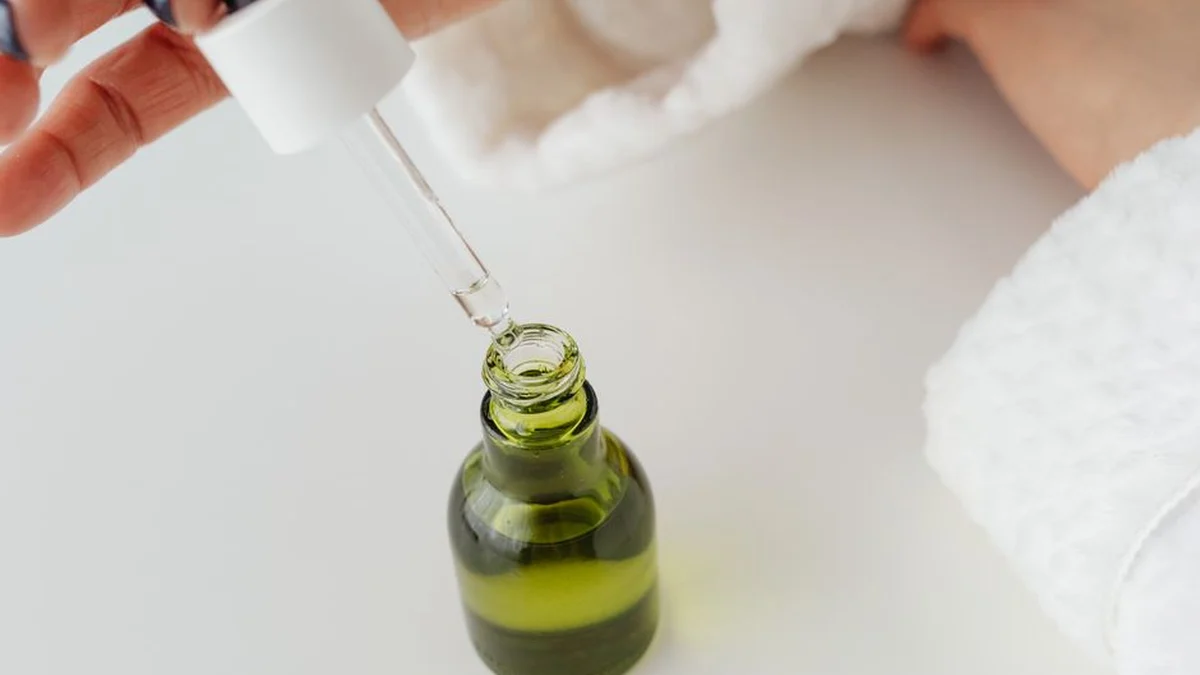
Serums are lightweight, usually water-based, and formulated to penetrate rather than sit on the surface. They deliver active ingredients — peptides, niacinamide, salicylic acid, caffeine — to the scalp and absorb without leaving residue. Designed to be left on.
Oils are occlusive. They sit on the surface, seal moisture in, and soften. They suit dry scalps and are traditionally used as a pre-wash treatment rather than a leave-on.
The confusion arises because both get called “scalp oil” and “hair oil” interchangeably. If it’s water-based and absorbs, it’s a serum and you leave it in. If it’s genuinely oil and sits on top, it’s better used before washing.
The ingredients worth looking for
Salicylic acid. Oil-soluble, so it clears build-up inside the follicle. The most useful active for congested or flaky scalps.
Niacinamide. Supports barrier function, reduces inflammation and helps regulate oil. Well-tolerated and genuinely useful.
Peptides. Signalling molecules with some evidence for supporting hair follicle function. Promising rather than proven, and expensive.
Caffeine. Some laboratory evidence for stimulating follicles. The real-world effect from a topical product is modest and frequently overstated on packaging.
Hyaluronic acid. Hydration for dry, tight scalps.
Zinc PCA. Regulates sebum. Good for oily scalps.
Rosemary oil. Has had a viral few years. There is one reasonably-conducted trial comparing it to minoxidil for androgenetic alopecia, which found comparable results at six months — a single study with limitations, and not the settled evidence the internet has made of it. It’s inexpensive and low-risk, so it’s a reasonable thing to try, but treat the claims with proportion.
Minoxidil is a different category entirely — a licensed medicine for pattern hair loss with substantial evidence behind it, not a cosmetic serum. If hair loss is your actual concern, that’s the conversation to have with a pharmacist or GP rather than choosing between cosmetic serums.
Matching to your scalp
Oily. Lightweight, water-based, with salicylic acid, niacinamide or zinc. Avoid oils entirely.
Dry. Hydrating serums with hyaluronic acid or panthenol, or a light oil pre-wash — jojoba and squalane are closest to the scalp’s own sebum.
Flaky. Salicylic acid to lift scale, alongside a medicated anti dandruff shampoo. Note that many oils feed Malassezia, the yeast behind dandruff, so heavy oiling can make flaking worse — squalane and mineral oil are the exceptions, as the yeast can’t metabolise them.
Sensitive. Fragrance-free, minimal ingredients, no acids to begin with.
Thinning. Peptide or caffeine serums as support, with realistic expectations, and a proper medical assessment for the cause.
How to apply without greasy roots
This is the practical problem people run into, and it’s mostly a technique issue.
Apply to a clean, towel-dried scalp. Straight after washing is ideal — the scalp is clean, the follicles are clear, and absorption is best.
Part the hair into sections. Apply directly to the scalp along each parting, using the dropper or nozzle. The product needs to reach skin, not hair.
Use less than the bottle suggests. A few drops per section. Most greasiness complaints are simply over-application.
Massage in with your fingertips for a minute — this helps absorption and does the circulation job at the same time.
Then leave it. Don’t rinse. Style as normal.
Frequency: daily to three times weekly for most serums. Follow the specific product.
Pre-wash oiling
A separate practice with a long history in South Asian hair care, and it works — for dry scalps.
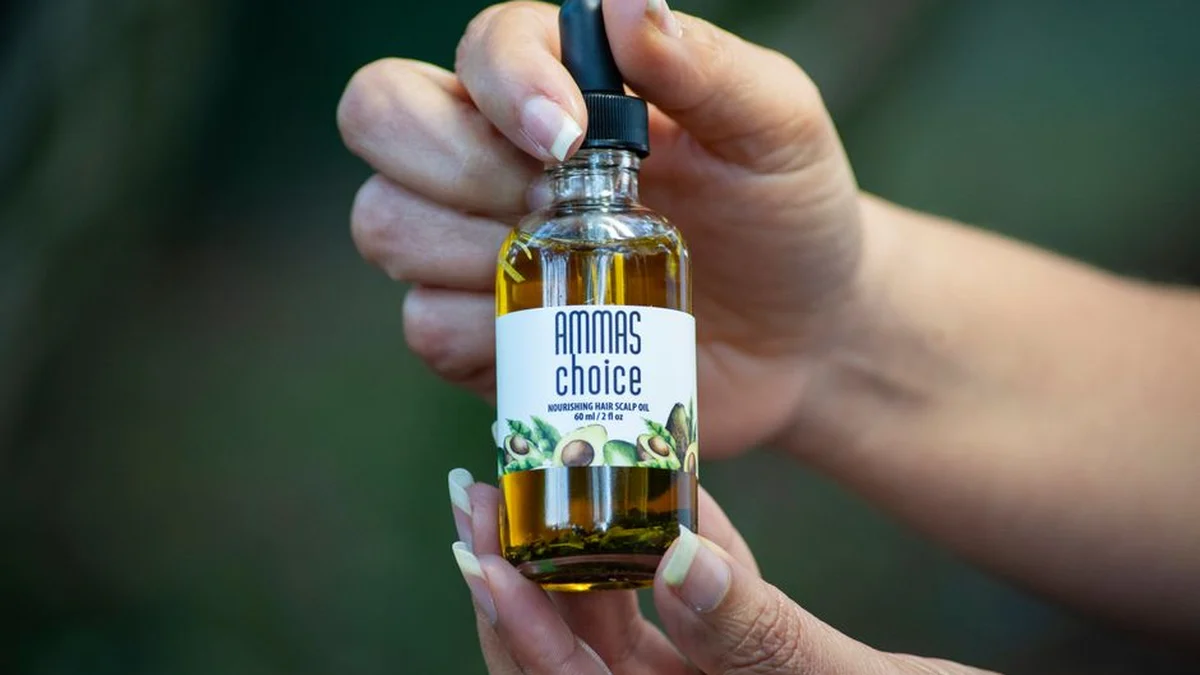
Warm a small amount of oil, massage into the scalp, leave for thirty minutes to a few hours, then shampoo out. You’ll usually need two shampoos to fully remove it.
Coconut oil is one of the few that genuinely penetrates the hair shaft rather than only coating it, and there’s reasonable evidence for it reducing protein loss during washing.
Don’t do this if you have dandruff or an oily scalp — you’ll be feeding exactly the problem you’re trying to solve.
Realistic expectations
Improved scalp comfort and reduced itching: two to four weeks.
Reduced flaking with an appropriate active: four to six weeks.
Any change in hair thickness or density: three to six months minimum, because that’s how long the hair growth cycle takes. Anything promising visible results in four weeks is describing something other than hair growth.
And no cosmetic serum reverses genetic pattern hair loss. It can support the scalp environment, which helps — but the underlying process is hormonal and needs a different kind of intervention.
Getting the most out of it
Apply to a properly clean scalp. A serum applied over weeks of product build-up is mostly wasted — exfoliate first with a scalp scrub, or reset monthly with a clarifying shampoo.
Massage it in properly rather than dabbing. A scalp massager helps with even distribution and makes the habit easier to keep up.
Be consistent. Three times a week for three months does more than daily for a fortnight followed by nothing.
And if the reason you’re using a serum is hair shedding rather than scalp comfort, get the shedding investigated first. Iron deficiency, thyroid dysfunction and telogen effluvium after illness or stress all cause hair loss and all have specific treatments that no serum substitutes for.
This article is general information, not medical advice. If you are experiencing sudden, patchy or significant hair loss, see a GP — it is often a symptom of something treatable.




Comments are closed