



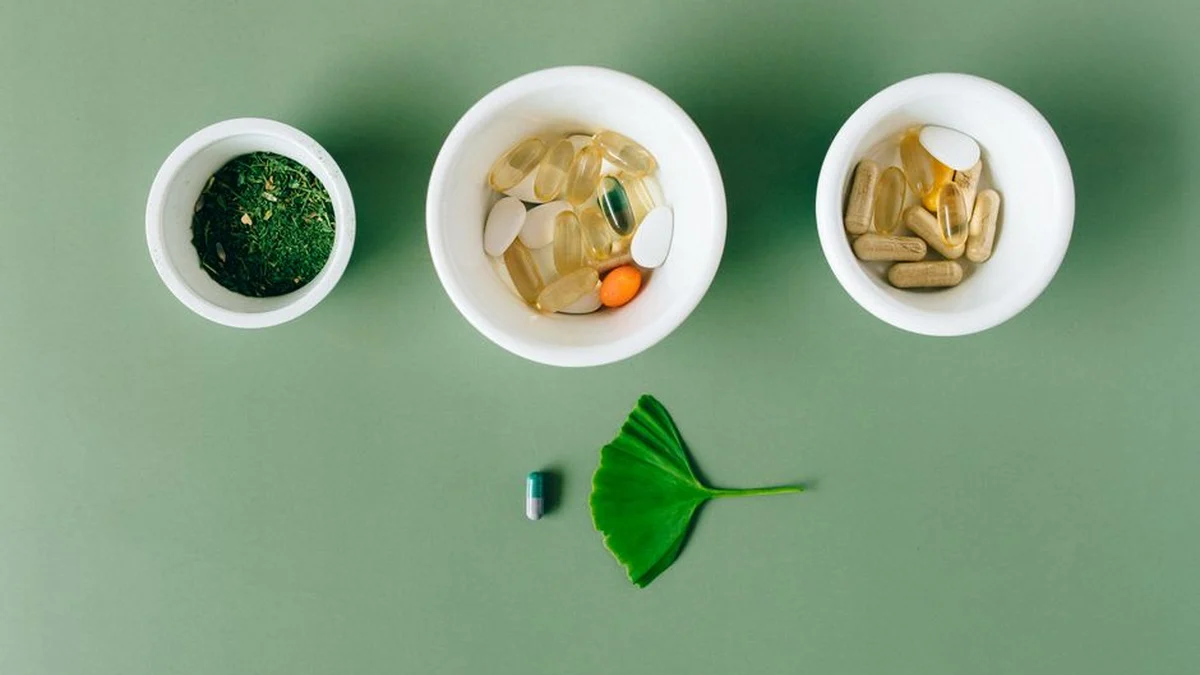
The core problem with hair supplements is a logical one that the entire category is built on avoiding. Nutrients support hair growth when you’re deficient in them. Take more when you’re not deficient, and the surplus does nothing — your body doesn’t stockpile most of them for a rainy day.
So the useful question isn’t “which supplement is best”. It’s “am I actually short of anything”, and the answer to that comes from a blood test rather than a marketing claim.
This fits into the wider picture in the hair growth treatment guide, which starts, correctly, with diagnosis.
The biotin problem
Biotin is in nearly every hair supplement on the market, often at doses hundreds of times the recommended daily intake.
Biotin deficiency does cause hair loss. It is also genuinely rare in people eating a normal diet — the body needs very little and it’s present in eggs, nuts, seeds, salmon and many other foods. Deficiency is mainly seen in specific circumstances: long-term use of certain anti-epileptic drugs, prolonged antibiotic use, some genetic conditions, and very restrictive diets.
If you’re not deficient, high-dose biotin does not appear to improve hair growth. The evidence for supplementation in non-deficient people is weak.
And there’s a safety issue nobody mentions
High-dose biotin interferes with a range of common laboratory tests, because many immunoassays use biotin-streptavidin technology. This is well documented and both the FDA and UK regulators have issued warnings.
Affected tests include thyroid function tests and troponin — the test used to diagnose heart attacks. Biotin can produce falsely low or falsely high results depending on the assay, which has led to both missed diagnoses and unnecessary treatment.
Practical advice: stop biotin supplements at least 48 to 72 hours before any blood test, and tell whoever takes your blood that you’ve been taking it. If you’re having thyroid function checked as part of a hair loss investigation, this matters enormously — biotin can make a thyroid problem look like something it isn’t, or hide one entirely.
What actually has evidence
Iron
The strongest case of any nutrient. Low ferritin is a common and frequently missed contributor to hair shedding, particularly in menstruating women and vegetarians.
But: iron should only be supplemented if a test shows you need it. Excess iron accumulates and is harmful. Get ferritin measured, and if it’s low, take iron under medical guidance — it’s also worth investigating why it’s low.
Vitamin D
Deficiency is widespread in the UK, particularly from October to March, and in people with darker skin. There’s an association between low vitamin D and several hair loss conditions.
The NHS advises considering a daily 10 µg (400 IU) supplement during autumn and winter for everyone. That’s sensible general advice and separate from any hair claim.
Zinc
Deficiency causes hair loss. Supplementation helps if you’re deficient. Excess zinc is toxic and interferes with copper absorption, so this is another one to test rather than guess.
Protein
Hair is made almost entirely of keratin, a protein. Inadequate protein intake causes hair shedding, which is one reason crash diets so reliably produce a shedding episode two or three months later.
Adequate dietary protein is genuinely important. A supplement is rarely necessary for someone eating normally.
B12
Deficiency causes hair loss and is common in vegans and vegetarians, and in older adults. Testable, treatable.
Weaker evidence
Collagen. Popular, pleasant to consume, and the evidence for hair specifically is thin. Your digestive system breaks collagen down into amino acids like any other protein — it doesn’t arrive at your follicles as collagen. Some studies suggest skin benefits; hair evidence is much weaker.
Marine complexes. Some proprietary formulas have company-funded trials showing benefit. Small studies, industry-funded, and rarely independently replicated. Not worthless, but read the funding line.
Saw palmetto. Proposed as a natural DHT blocker. Limited evidence, and it may interact with hormonal medications.
Multivitamin “hair, skin and nails” formulas. Fine if you’re deficient in something they contain. Mostly expensive urine otherwise.

When supplements can be harmful
This category is treated as harmless and it isn’t entirely.
Excess vitamin A and its derivatives cause hair loss — the very thing people are trying to fix. Some hair supplements contain high doses.
Excess selenium causes hair loss and brittle nails.
Excess zinc causes copper deficiency.
Iron overload damages organs.
Several supplements interact with prescription medications.
And people taking multiple products simultaneously — a hair supplement, a multivitamin, and a separate biotin — can reach genuinely high cumulative doses without realising.
A sensible approach
Get tested first: ferritin, full blood count, thyroid, vitamin D, and B12 if relevant. Correct what’s actually low, under medical guidance.
Eat enough protein and enough calories overall. Undereating is a more common cause of hair shedding than any specific deficiency.
Consider vitamin D through the British winter, per general NHS advice.
Skip the £40 hair gummies unless a test has told you something specific.
Stop biotin before blood tests.
And spend the money on things with better evidence instead — topical minoxidil has considerably more support than any oral supplement, and the cosmetic options in hair thickening products give an immediate visible result rather than a hypothetical one.
Timelines
If you are deficient and you correct it, expect three to six months before visible improvement. That’s the hair growth cycle, and nothing shortens it.
If you weren’t deficient, expect nothing, because there was nothing to correct.
Any product promising results in four weeks is not describing hair growth.
For women in particular, supplements are often reached for instead of investigation, which delays finding the actual cause — the guide to hair loss treatment for women covers what to ask for at a GP appointment.
This article is general information, not medical advice. Do not start iron, zinc or high-dose vitamin supplements without testing and medical guidance. Tell your doctor about any supplements you take, particularly before blood tests. If you are pregnant, breastfeeding, or taking prescription medication, check with a pharmacist or GP before taking any supplement.







Comments are closed