



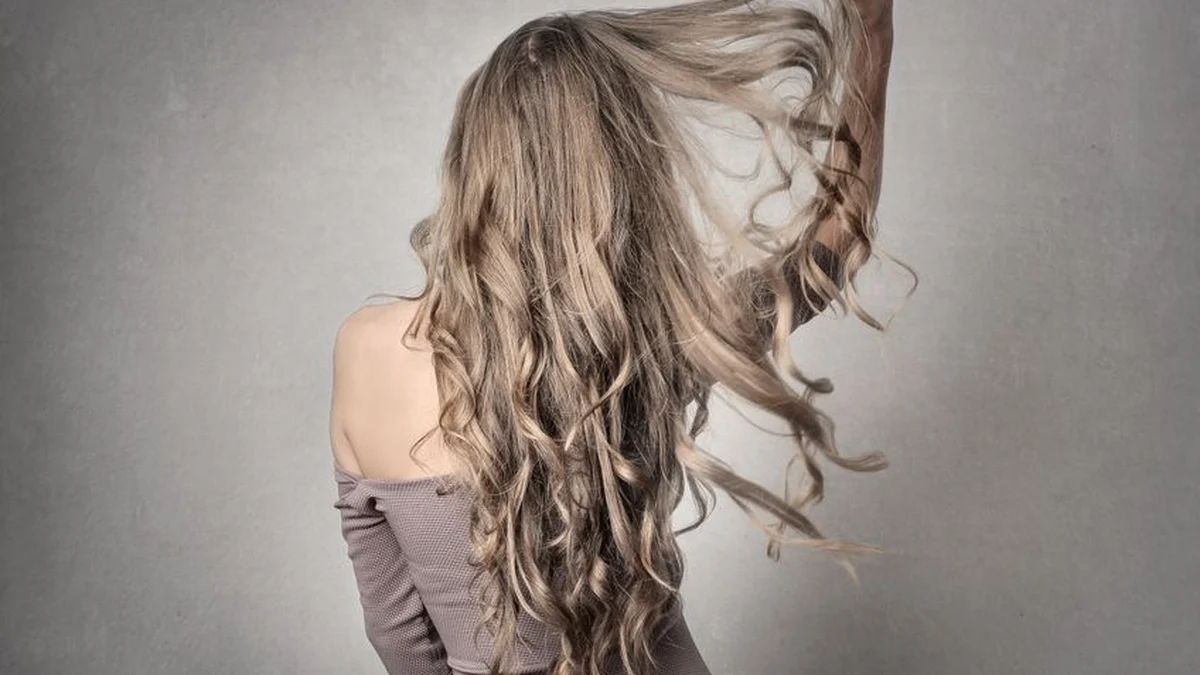
There’s an important distinction buried in this category that the packaging works quite hard to obscure. Some products make hair thicker. Most make it look thicker. Only the second group works immediately, and it’s the second group that most people actually want.
Neither grows hair — that’s a different conversation, covered in the guide to hair growth treatment. But looking fuller today is a legitimate goal in itself, and there’s more available than most people realise.
Why thin hair reads as thin
Two separate things, and knowing which one you have determines what to buy.
Fine hair means each individual strand is narrow. You might have a great many of them. Fine hair looks flat and gets weighed down easily, but the scalp doesn’t show.
Thinning hair means fewer strands per square centimetre. The scalp shows through, particularly along the parting, and the contrast between pale scalp and darker hair is what the eye reads as sparse.
Fine hair needs volume products. Thinning hair needs scalp-concealing products. Buying the wrong category is the most common mistake, and it’s why so many people conclude “nothing works”.
The products that work immediately
Scalp-coloured fibres
Small keratin fibres, statically charged, which you shake onto dry hair. They cling to existing strands and to each other, filling gaps and — crucially — reducing the scalp-to-hair contrast.
The effect is genuinely dramatic, and considerably better than most people expect from something so simple. They’re the reason a lot of people on television have visible hair.
Apply to completely dry, styled hair. Shake from a few inches above, work in small amounts, then press gently with your palms to settle them. Set with a light hairspray, which stops transfer and improves rain resistance.
They wash out completely. They will run in heavy rain unless set properly — a real consideration in Britain.
Tinted scalp sprays and powders
Same principle, different format: rather than adding fibres, they colour the scalp itself so it stops showing through. Often better for a widening parting than fibres are, and less prone to transfer. The same products used for root touch up spray do this job well.
Volumising mousse and root sprays
For fine hair rather than thinning. Applied to damp roots, they coat each strand with a film that adds diameter and lifts it away from the scalp.
Root-lifting sprays are more targeted and generally more effective than all-over mousse. Apply directly to the roots, then dry with your head upside down.
Dry shampoo and texturising powder
Underrated. Both add grit and friction at the root, which creates lift. Day-two hair genuinely does have more volume than freshly washed hair, and texturising powder reproduces that on day one.
Thickening shampoos and conditioners
These coat the strand with proteins and polymers to add measurable diameter. The effect is real but modest and it washes off.
The more useful thing they do is avoid weighing hair down — a lightweight shampoo and a conditioner used only on the ends will make fine hair look considerably fuller than a rich one used all over.
Products that thicken over time
Protein treatments temporarily fill gaps in a damaged cuticle, adding diameter and strength. Useful, but overdo it and hair goes brittle and snaps — which makes thinness worse.
Bond-builders reduce breakage, which preserves the hair you have. Not thickening as such, but if breakage is contributing to your thinness they help meaningfully.
Serums with caffeine or peptides sit somewhere between cosmetic and treatment. Modest evidence, slow, and covered in hair regrowth serum.

What styling does that products can’t
Honestly, more than any bottle.
Get it cut shorter. Long hair pulls flat under its own weight and emphasises sparseness at the ends. A cut at or above the shoulders looks noticeably fuller.
Add layers carefully. Some layering creates movement and volume. Too much thins the ends further. A stylist who works with fine hair regularly is worth finding.
Move your parting. A parting worn in the same place for years flattens the hair around it. Shift it a centimetre and the hair lifts. Zigzag partings conceal scalp better than straight ones.
Consider a slightly lighter colour. Reducing the contrast between hair and scalp makes thinning far less visible. This is why very dark hair on pale skin shows thinning most.
Blow dry upside down and use the cool shot to set the lift.
Use hot rollers — they create root volume in a way no product does, because they hold the hair away from the scalp while it cools.
What makes it worse
Heavy conditioners at the root. Oils and rich serums on fine hair. Too much product of any kind. Tight ponytails, which cause traction alopecia over time. Aggressive brushing when wet. And daily high-heat styling, which causes breakage that reads as loss.
Setting expectations
Fibres and scalp sprays give an immediate, sometimes striking improvement — but they wash out and they’re cosmetic.
Volumising products give a real but modest lift that lasts a day.
Nothing in this category regrows hair.
If your hair is genuinely thinning rather than simply fine, cosmetic products are worth using — they help how you feel and how you look right now — but they should sit alongside proper investigation rather than instead of it. Thinning hair frequently has a treatable cause, and the guide to hair loss treatment for women covers what to ask for.
And if the thinning is extensive enough that concealers aren’t cutting it, toppers and partial pieces are a good option that people tend to consider far later than they should — the hair extensions and wigs guide covers what’s available.
This article covers cosmetic products only. If you are experiencing hair loss rather than naturally fine hair, please see a GP — it is often a symptom of something treatable.


Comments are closed