



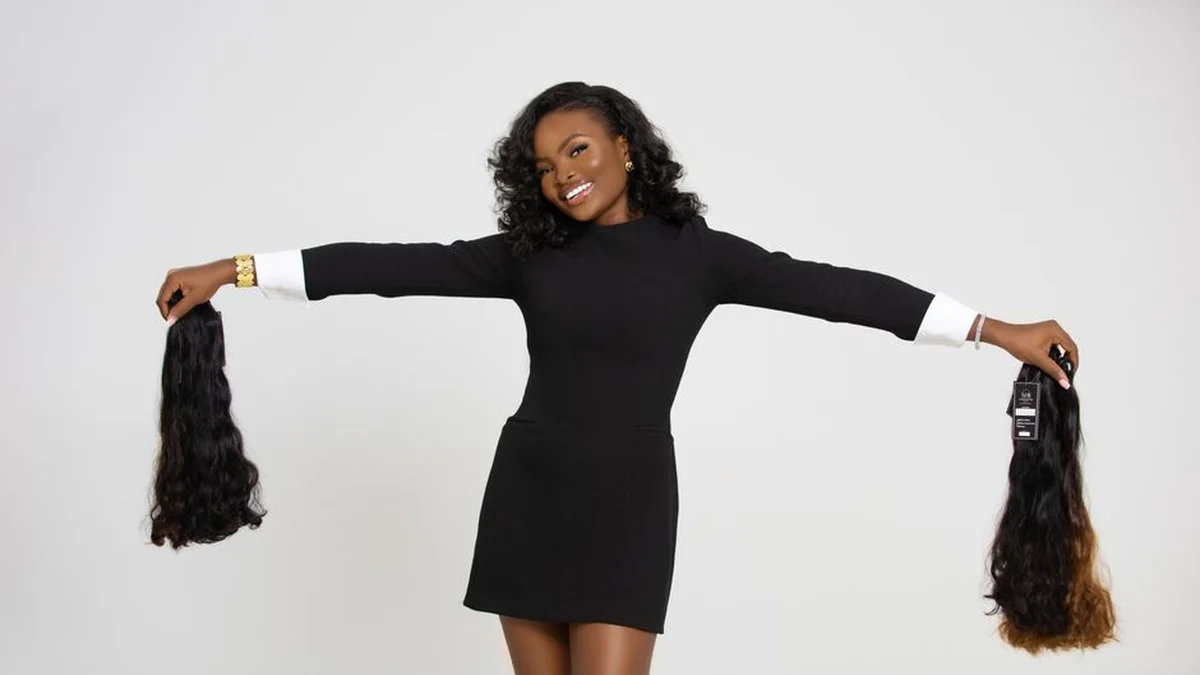
Clip-ins are the sensible entry point to extensions, and they’re the only method you can undo at the end of the evening. No adhesive, no salon appointment, no three-month commitment. If it looks wrong, you take it out.
They’re also the method most people apply badly the first few times, and the reasons are consistent and fixable. Where they sit alongside the other options is in the hair extensions and wigs guide.
What you’re buying
A set typically contains seven to ten wefts of varying widths, each with small pressure clips sewn on. You clip them into sections of your own hair, arranged from the nape upwards.
Weight matters more than people expect. For fine hair, 100–120g is plenty. Anything heavier will drag, be visible, and put unnecessary tension on the roots. For thick hair, 160–220g gives proper density.
Remy human hair is the thing worth paying for. The cuticles all run the same direction, so it tangles far less and lasts a year or more with care. Non-Remy hair looks fine for a month and then mats at the ends.
Length: buy longer than your target and have them cut in. Extensions arrive blunt, and blunt is the single biggest giveaway.

Placement, section by section
Work from the bottom up. Backcomb each section lightly at the root before clipping — this gives the clips something to grip and stops them sliding down through the day.
Nape. Part horizontally about two centimetres above the hairline. Clip the narrowest weft here. Leave enough of your own hair below it to cover.
Lower back. Move up about five centimetres. Widest weft.
Mid back. Another five centimetres up. Second-widest weft. This is where most of the density comes from.
Crown. A narrower weft, well below the crown itself — placing anything too high risks it showing when you tilt your head.
Sides. Small two-clip wefts above the ears, sitting behind your own hairline so the edges are covered.
Then let your own hair fall over everything and check the back with a hand mirror. Every visible clip is one you’ll be thinking about all night.
Blending, which is the whole game
Get them cut. By a stylist, while you’re wearing them. This is not optional if you want a natural result. A cut costs £20–£40 and transforms a set that looked obviously fake into one that doesn’t.
Curl or straighten everything together once fitted. Two different textures never blend, regardless of colour match.
Match to your mid-lengths, not your roots. If you have balayage, buy a set with a colour blend rather than a single flat shade — the specifics of managing that are in balayage aftercare.
Check the colour in daylight. Shop lighting and bathroom lighting both flatter, and both lie.
Fine hair specifically
The hardest case, and it needs a different approach.
Buy a lighter set — 100–120g maximum. Heavy wefts on fine hair are visible from every angle and uncomfortable within hours.
Use more wefts of narrower width rather than fewer wide ones. This spreads both the weight and the coverage.
Look for sets with a thin, flexible weft seam. Bulky seams create a visible ridge under fine hair.
Backcomb properly. Fine hair gives clips almost nothing to grip otherwise.
Texturising spray or a light dry shampoo at the roots gives the clips more purchase and helps blend the join.
Damage control
Clip-ins are the lowest-risk method, but “lowest risk” isn’t “no risk”, and the risk is entirely about repetition.
Move your placement. Clipping into the same exact spot every day concentrates tension on the same follicles. Shift the parting by a centimetre each time.
Take them out at night. Always. Sleeping in clip-ins puts sustained tension on the roots and tangles the extension hair badly.
Don’t wear them daily. They’re designed for occasional use. Daily wear for months puts you into traction alopecia territory — the same risk as any other method.
Remove them properly. Open each clip fully before pulling. Yanking a closed clip out takes your own hair with it.
Stop if it hurts. Tenderness, headaches or soreness at the clip sites means they’re too heavy or too tight. That’s the early warning, and it’s worth taking seriously — traction alopecia is permanent once the follicle scars.
If you’re already dealing with thinning, get the cause assessed rather than covering it — see hair loss treatment for women.

Washing and storing
Wash every fifteen to twenty wears, or when they stop feeling soft. Extension hair has no oil supply of its own, so over-washing dries it out permanently.
Fill a basin with lukewarm water, add sulphate-free shampoo, and swirl the wefts gently. Don’t scrub, don’t twist. Rinse, apply conditioner to the mid-lengths and ends only — never the weft seam, which loosens the stitching.
Lay flat on a towel to air dry. Never in a tumble dryer, never in direct heat.
Store hanging or laid flat in the bag they came in. Brush before storing, not after — hair stored tangled sets that way.
Making them last
Detangle from the ends upwards with a loop brush or wide-tooth comb, before and after every wear.
Keep heat below 180°C and always use a heat protectant spray. Extension hair is more fragile than your own because it can’t repair itself.
Avoid oils near the clips and seams.
Expect nine to twelve months from a good Remy set with proper care, and three to four months from a cheap one.
When to move to something else
If you’re wearing clip-ins four or five days a week, a semi-permanent method will be more comfortable and probably less damaging over time — tape in hair extensions are the usual next step, particularly for fine hair.
If your reason for wearing them is thinning at the parting rather than wanting length, a topper is a better tool for that job than any weft.
And if your own hair has already been damaged by previous extensions, halo-style pieces put no tension on your hair at all and are the safest option while it recovers.





Comments are closed