



Tape-ins became the default semi-permanent extension method for a reason: they sit flat, they’re comfortable, they take under an hour to fit, and they don’t require heat or metal clamps against your hair.
They also come with a maintenance schedule and a running cost that a lot of people don’t fully work out before booking, and that’s usually where the regret comes from. Where they sit against the alternatives is in the hair extensions and wigs guide.
How they work
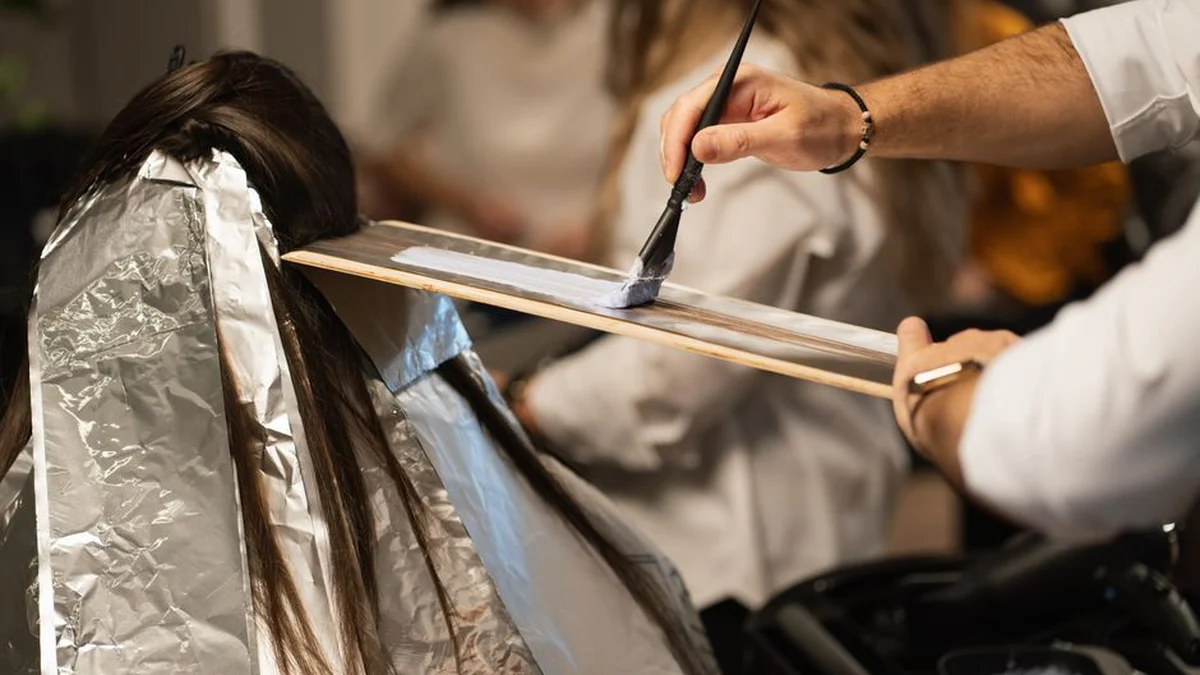
Thin wefts, roughly four centimetres wide, with a strip of medical-grade adhesive along the top. They’re applied in pairs — one facing down, one facing up — sandwiching a thin section of your own hair between them.
The result lies almost completely flat against the head, which is why they suit fine hair better than bulkier methods. A full head is typically 40 to 60 individual tapes.
The real cost
This is the part worth doing arithmetic on before you commit.
Initial fitting: £250–£600 in the UK, depending on hair quality, length and salon. This includes the hair itself.
Maintenance every 6–8 weeks: £80–£200. The tapes are removed, the hair is cleaned and re-taped, and everything is moved back up to the root.
New hair: every 6–12 months, £150–£400, as the extension hair wears out.
Realistic annual cost: £900–£2,000, once you’ve included maintenance appointments six to eight times a year.
That’s the figure to think about, not the fitting price. Tape-ins are a subscription, not a purchase.
Who they suit
Fine to medium hair. The flat profile is the main advantage and it matters most here.
Anyone wanting comfort. No knots, no beads, no pressure points. Most people forget they’re wearing them within a day.
People who want a quick fitting. 45–90 minutes versus several hours for bonds or micro-rings.
Who they don’t
Very oily hair or scalp. Oil breaks down adhesive. If you wash daily and your roots go greasy fast, tapes will slip and you’ll be back at the salon early.
Very fine or fragile hair. There’s a threshold below which the section of your own hair between the tapes is too thin to take the weight. A good technician will tell you.
Very thick, coarse hair. You’d need a great many tapes to add meaningful density, and it becomes expensive.
Swimmers. Chlorine and salt water both degrade the adhesive.
Anyone with active hair loss. Adding weight and tension to a compromised scalp is the wrong move. Get the cause assessed first — hair loss treatment for women covers the diagnostic route.
The first 48 hours
The adhesive needs time to cure properly.
No washing for 48 hours. No tying the hair up tightly. No heat directly on the tapes. And no oil-based products anywhere near the root.
Get this wrong and you’ll lose tapes in the first fortnight, which most salons will not replace free of charge.
Living with them
Washing. Two or three times a week maximum. Sulphate-free shampoo. Wash with your head upright, working downwards — never flipped forward, which puts a shearing force on every tape.
Conditioner and masks: mid-lengths and ends only. Nothing within five centimetres of the tape. Oils, in particular, dissolve adhesive.
Drying. Never sleep with wet extensions — it loosens the bonds and mats the hair badly. Dry the roots and the tape area fully.
Brushing. A loop brush, from the ends upwards, twice daily. Hold the root with your other hand to avoid pulling at the tapes.
Sleeping. Loose plait, silk pillowcase.
Heat. Keep the iron away from the tape itself, which will soften and slide. A heat protectant spray every time — the extension hair can’t repair itself.
Colour. Don’t dye the extension hair yourself. It’s already been processed, and it takes colour unpredictably. Root touch-ups are fine if applied carefully by a professional.

The maintenance appointment
Every six to eight weeks, dictated by your own hair growth. As the roots grow, the tapes move down the hair shaft, become visible, and put increasing leverage on the follicle.
At the appointment: a solvent is applied to release the adhesive, the tapes come off, residue is cleaned from your hair, the wefts are re-taped with fresh adhesive strips, and everything is repositioned at the root.
Takes one to two hours. Don’t stretch past eight weeks — that’s where matting at the root and tension damage happen.
Removal
Done properly, removal is straightforward and shouldn’t damage your hair.
A specific adhesive remover — usually alcohol or oil-based — is applied to the tape and left to work for a minute or two. The tapes then slide apart without resistance.
If they don’t slide easily, more solvent is needed. Force at this stage is what causes damage, and it’s the most common way people lose hair to tape-ins.
Any adhesive residue left in the hair is combed out, and the hair is then clarified and deep conditioned.
Removing them at home is possible with proper remover, but it’s fiddly at the back and easy to rush. A salon removal is typically £30–£60 and worth it.
What to expect afterwards
You will see shed hair when they come out, and it’s usually alarming.
Most of it is normal. You shed 50–100 hairs a day naturally, and while wearing extensions those shed hairs are trapped in the tape instead of falling out. Six weeks of trapped shedding comes out all at once, which looks dramatic and mostly isn’t.
What’s not normal: visible thinning at the tape sites, short broken hairs at the root, tenderness, or a receding hairline. Those are traction damage and they mean stopping.
Protecting your own hair
Take a break of at least four to six weeks between full sets. Going straight from one installation to the next indefinitely is how people end up with permanent thinning.
Don’t overload — a technician who suggests fewer tapes than you wanted is usually protecting you.
Report tenderness immediately. Discomfort is not part of a correct fitting.
And use the break to look after the hair underneath — deep conditioning, a proper scalp care routine, and no heat for a while.
If you’d rather not commit to the maintenance cycle at all, clip in hair extensions give a similar look with no adhesive and no appointments — less convenient day to day, considerably cheaper and lower risk over a year.







Comments are closed