



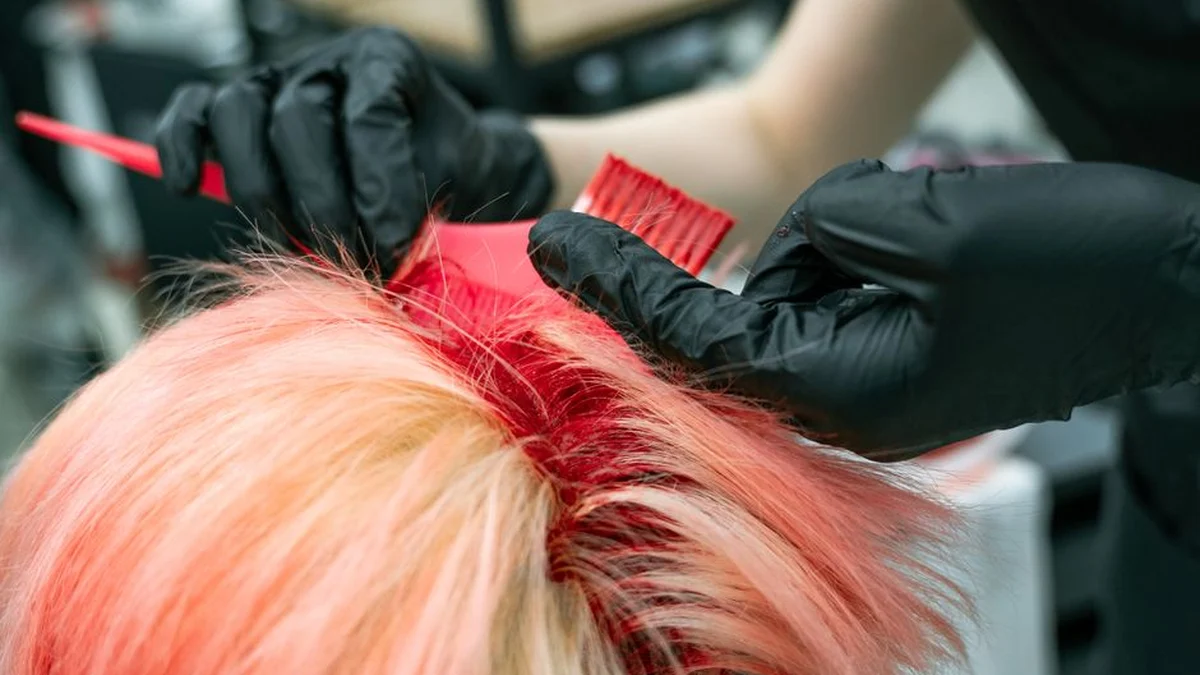
You leave the salon on a Saturday and the colour is perfect. It’s still perfect on Sunday. By the third week it’s gone slightly flat, and by week six you’re standing in front of a mirror wondering whether you actually paid £140 for this or whether you imagined it.
Colour fade is not inevitable in the way most people assume. A significant amount of it is caused by things you do at home in the fortnight after the appointment, and most of those things are fixable for free.
Why colour fades in the first place
To colour hair, the cuticle has to be lifted so dye molecules can get into the cortex underneath. Permanent colour uses an alkaline agent to swell the cuticle open, deposits pigment, and the cuticle then closes — but never quite as tightly as it was before.
That’s the whole problem. A coloured strand has a slightly more porous cuticle than a virgin one. Pigment molecules leak out of it, and they leak fastest under three conditions: heat, water, and anything that lifts the cuticle further.
Different pigments leak at different speeds, which is why some colours seem to vanish while others cling on. Red molecules are the largest and sit least securely — reds fade fastest and there’s no product that fully solves it. Blues and greens go next. Browns and blondes hold longest, though blondes have a different problem: they go brassy rather than pale.
The first 72 hours
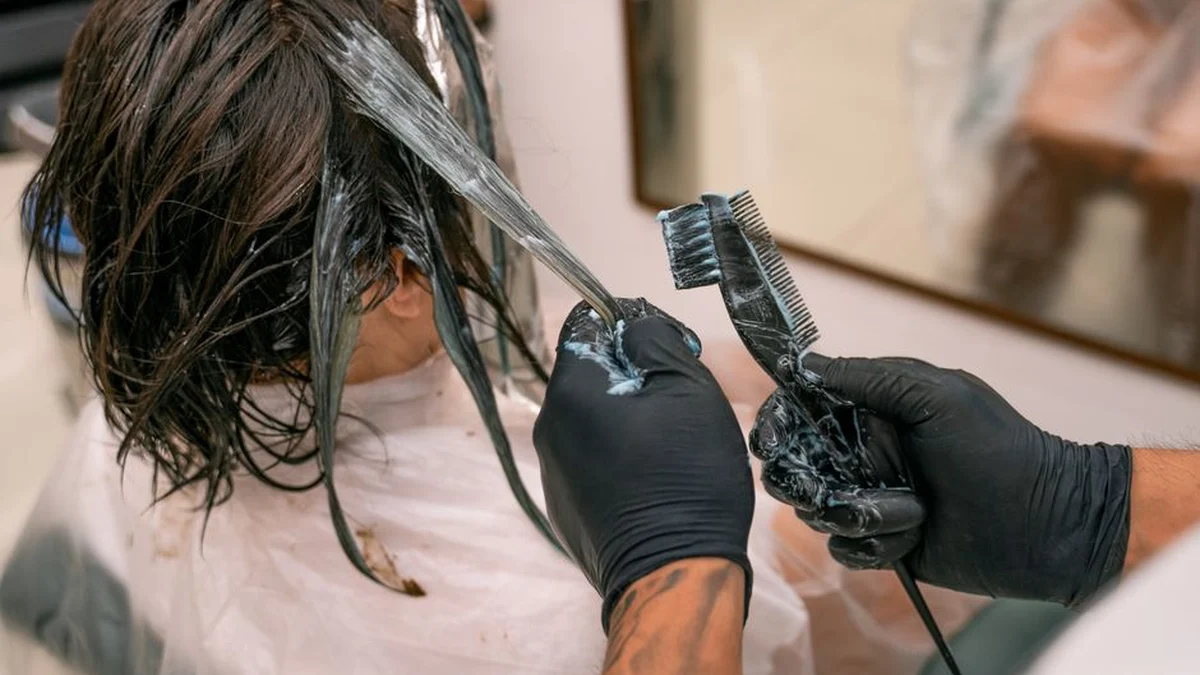
The cuticle stays partially open for roughly two to three days after colouring. Everything you do in that window matters disproportionately.
Don’t wash your hair. Genuinely, not at all, for at least 48 hours and preferably 72. Every wash in that window costs you weeks at the other end.
Don’t swim. Chlorine is a bleaching agent and it will strip fresh colour with startling efficiency.
Don’t use heat if you can avoid it, and if you can’t, keep it low.
Ask your colourist to apply a bond-building or acidic sealing treatment at the end of the appointment. Most salons offer one. It closes the cuticle down and it’s the single highest-return add-on you can buy.
The hard water problem
This is the one that catches out thousands of people in the South East, East Anglia and the Midlands, and no colourist ever mentions it.
Hard water carries dissolved calcium, magnesium and often trace iron. Those minerals deposit on the hair shaft with every wash. On coloured hair — particularly blonde — the effect is a gradual dulling, a rough texture, and in areas with iron in the supply, a distinctly orange cast that no toner seems to fix.
If you moved house and your colour started behaving differently, or your kettle furs up in a fortnight, this is likely your answer.
The fixes: a chelating shampoo containing EDTA once a month, which binds and removes mineral deposits in a way an ordinary clarifying shampoo can’t. A shower filter, which costs about the same as two bottles of shampoo and prevents the problem recurring. Or, at minimum, a final rinse with bottled or filtered water — inelegant, but it works.
Washing: less, cooler, gentler
Wash less often. Every wash removes pigment. Going from daily to every third day roughly doubles how long your colour lasts. Dry shampoo covers the gap.
Wash cooler. Hot water lifts the cuticle and pigment escapes. Lukewarm to wash, cool to rinse. Unpleasant in February, effective all year.
Wash gentler. Sulphates are strong detergents that strip pigment along with oil. Sulphate-free shampoo is one of the few product recommendations that’s genuinely non-negotiable for coloured hair.
Shampoo the scalp, condition the ends. The scalp is where the dirt is. The ends are where the colour is. Treating them the same is why the ends fade first.
Maintaining tone between appointments
Fading isn’t only about losing intensity — it’s about the tone shifting as different pigments leak at different rates. This is why blonde goes yellow and brunette goes red.
For blondes, the correction is violet pigment neutralising the yellow, which is what purple shampoo does. Used correctly it’s transformative; used too often it turns hair grey-lilac, which is a real risk and not a rare one.
For everyone else, a colour depositing conditioner deposits a small amount of pigment with each use, topping up what’s leaked out. These are gentler than a box dye and much easier to control.
And for the specific problem of visible roots between appointments, a root touch up spray covers the regrowth line in about ninety seconds. It washes out, so it’s cosmetic rather than corrective, but it buys you weeks.
Heat is the other half of the problem
Every heat styling session accelerates fade — the heat drives pigment out of the cortex and further degrades an already-compromised cuticle.
If you colour your hair and straighten it daily, those two habits are working against each other and the colour is losing. Cutting heat frequency does more for colour longevity than any product. When you do use heat, keep the temperature at or below 180°C and always use a heat protectant spray — the coloured hair case for it is even stronger than the general one.
Coloured hair is drier hair
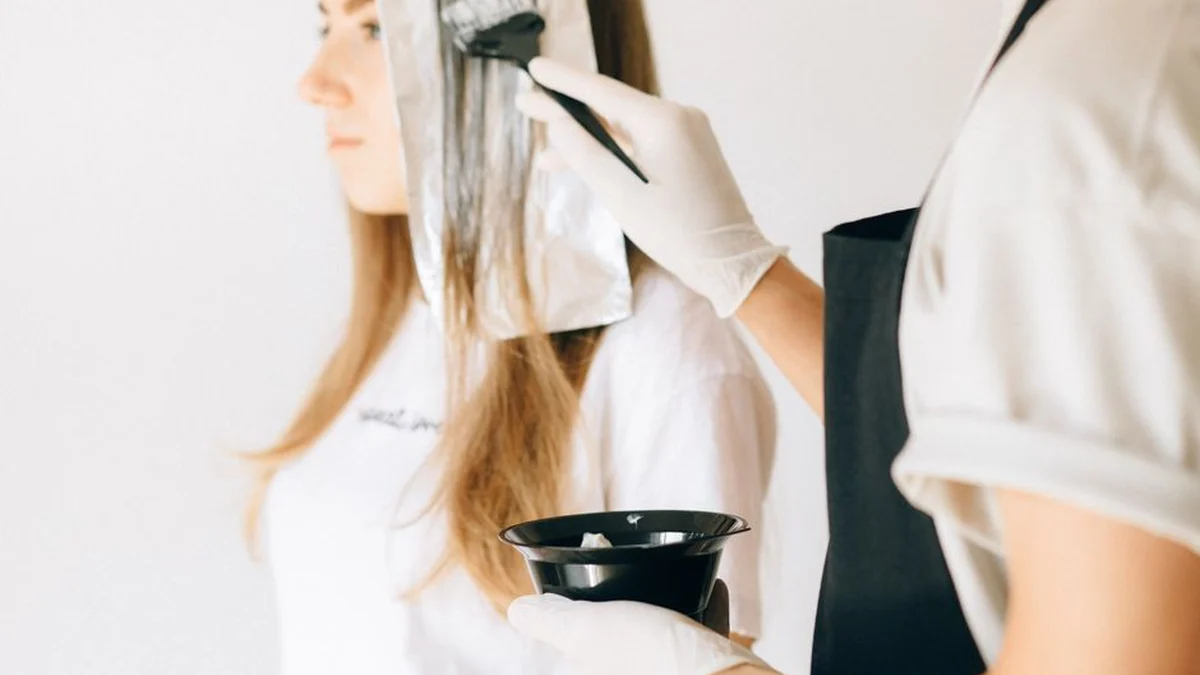
The colouring process removes some of the hair’s natural lipids. That means coloured hair is more porous, drier, and more prone to frizz than it was before — which people frequently blame on the colourist when it’s simply chemistry.
Deep condition weekly. Use a leave-in. Bond-builders every few weeks, which reconnect broken disulphide bonds and genuinely help hair that’s been lightened.
For the frizz that comes with the increased porosity, the approach in the anti frizz hair products guide applies directly — sealing matters more on coloured hair than on virgin hair.
The things that strip colour fastest
Chlorine, without question. Wet your hair with clean water before swimming so it absorbs that instead, wear a cap, and rinse immediately afterwards. Blondes should know that chlorine plus copper in pool water is what causes the green tint — it’s not the chlorine alone.
Sea water and strong sun, which is why holiday colour looks so different by day five.
Clarifying shampoos, which are excellent for removing build-up and terrible for colour retention. Use them sparingly and expect to lose some vibrancy.
Very hot showers, hot tubs, and sitting in direct sun for hours without any UV protection on your hair.
Choosing your colour type
How you maintain colour depends on what kind you’ve had.
Permanent colour lasts until it grows out but requires root maintenance every four to six weeks and does the most damage.
Semi permanent hair colour coats rather than penetrates, fades gradually with no harsh regrowth line, and does far less damage — a better option than most people realise, particularly for anyone who changes their mind often.
Balayage and highlights sit somewhere else entirely: the regrowth is deliberately soft, so appointments are further apart, but the lightened sections need serious care. The specifics are in the guide to balayage aftercare.
A realistic weekly routine
Wash two or three times a week with sulphate-free shampoo, cool rinse. Condition every wash. Deep condition weekly. Toning product — purple shampoo or a depositing conditioner — once a week or as needed. Bond-builder every three to four weeks. Chelating shampoo monthly if you’re in a hard water area. Heat protectant every single time you use heat.
None of that is complicated. It’s just consistent, and consistency is what separates colour that lasts eight weeks from colour that lasts three.







Comments are closed