



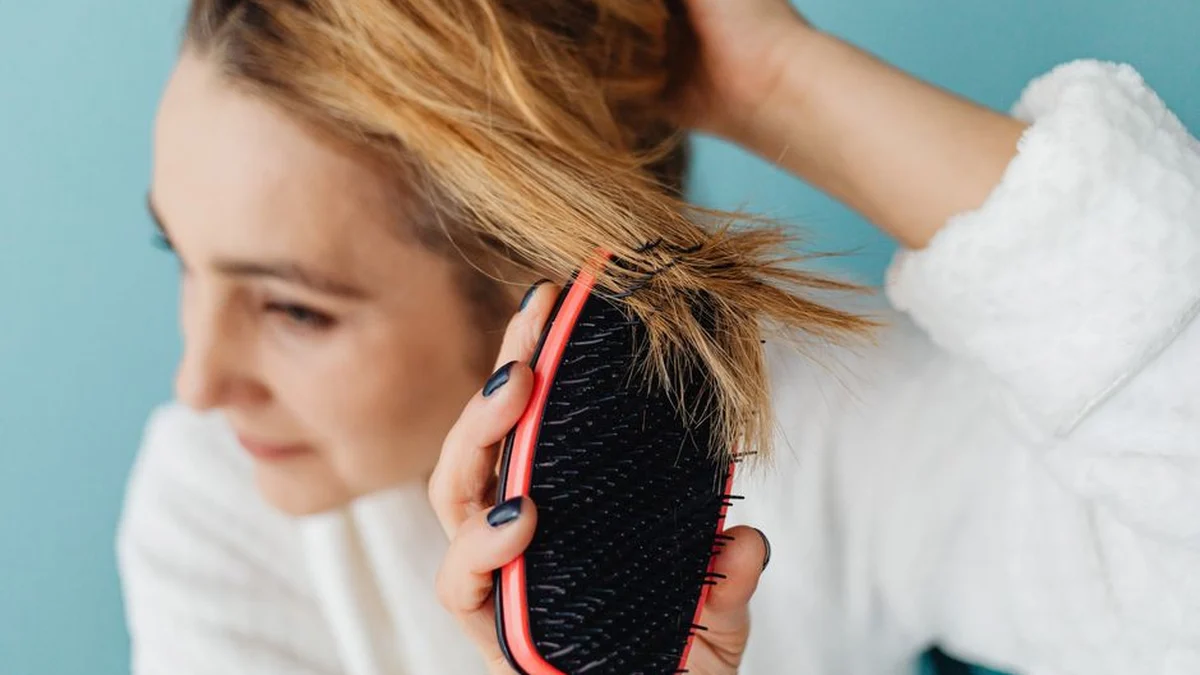
A scalp massager costs about six pounds and is marketed as though it might regrow your hair. Both of those facts deserve examination, and they point in slightly different directions.
The short version: the growth claims are thinly supported, the cleaning benefit is real and immediate, and at that price the maths still works out in its favour. Where it fits is as a tool that makes two steps of a scalp care routine easier to do properly and more consistently.
What the evidence actually says
The study that gets cited constantly is a small Japanese trial in which nine men received four minutes of standardised scalp massage daily for 24 weeks. Hair thickness increased measurably. It’s a real finding.
It’s also nine people, no control group, and a device-administered massage rather than a hand or a plastic brush. That is not a basis for confident claims, and the marketing that leans on it is going well beyond what it supports.
A larger self-assessment survey of men practising twice-daily massage reported that a majority felt their hair loss had stabilised or improved. Self-reported, unblinded, and subject to every bias you’d expect — but not nothing.
The proposed mechanism is plausible: mechanical stretching of the cells around the follicle may influence gene expression related to hair growth, alongside increased local blood flow. Plausible is not the same as demonstrated.
A fair summary: scalp massage may modestly support hair thickness with sustained daily practice over months. It will not reverse pattern baldness, and anyone selling it as a hair loss treatment is overstating the case considerably.
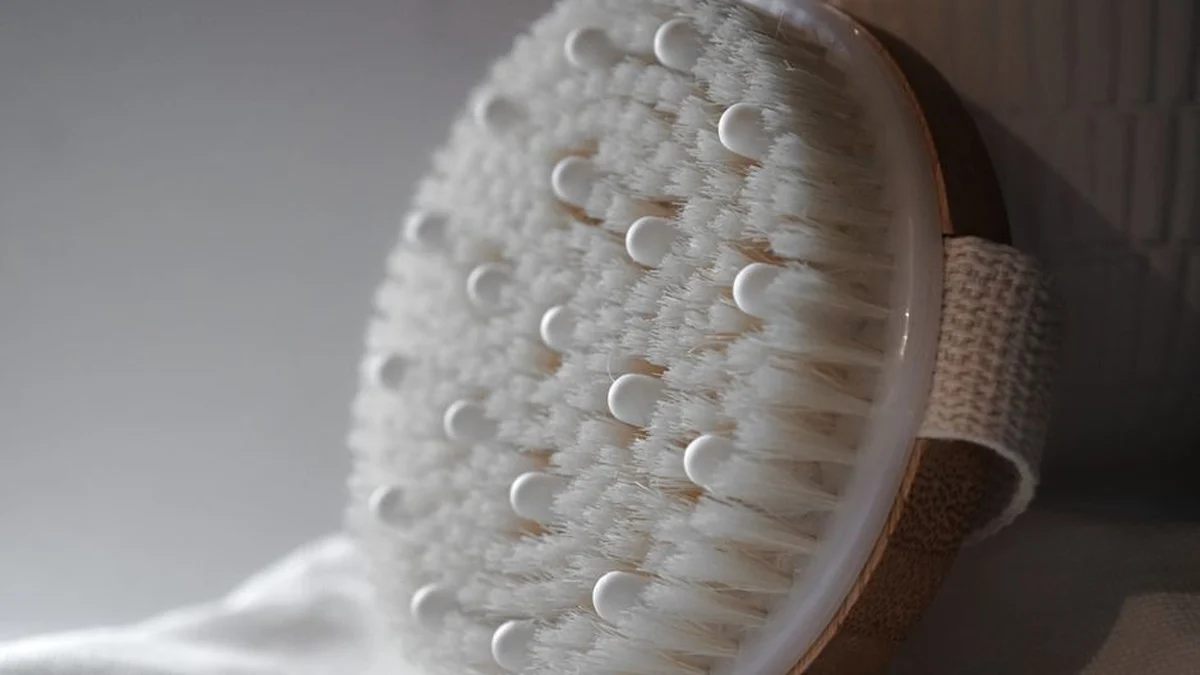
What it definitely does
Setting the growth question aside, there are benefits that aren’t in dispute.
It cleans better. The silicone bristles reach the scalp through hair in a way fingertips struggle to, particularly on thick or long hair. Shampoo gets distributed properly and build-up is loosened rather than just wetted.
It exfoliates gently. Loosening dead skin and product residue without the friction of a scrub.
It distributes product. Serums, oils and treatments spread far more evenly with a massager than with fingers.
It stops you using your nails. A genuinely useful benefit. Nails cause micro-tears and irritation, and most people scratch without noticing.
It’s relaxing. Which has its own value, and stress is a documented trigger for several scalp conditions.
Choosing one
Silicone bristle brush. The standard handheld type. Flexible bristles, palm-sized, five to ten pounds. Best all-round choice and the one to start with. Softer bristles for sensitive scalps, firmer for thick hair.
Wire “spider” massager. The multi-pronged wire tool. Very pleasant, does nothing for cleaning, and it tangles long hair enthusiastically.
Electric vibrating massager. More expensive, some are waterproof for shower use. The vibration adds relaxation; whether it adds anything else is unclear.
Your hands. Free, and the fingertip method is what the research actually used. A tool makes it easier to do consistently, which is the main argument for buying one.
Using it in the shower
This is where it earns its keep.
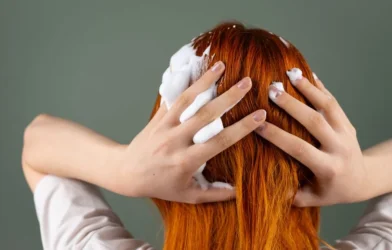
Wet the hair. Apply shampoo to the scalp. Then work the massager in small circles across the whole scalp for 60 to 90 seconds — front hairline, crown, sides, and the nape, which almost everyone neglects.
Light pressure. You’re massaging skin, not scrubbing a pan. Excessive pressure irritates the scalp and, on fragile hair, causes breakage.
Rinse thoroughly.
Use it with a clarifying shampoo once a month and the difference in how clean the scalp feels is substantial — the mechanical action helps the detergent reach what it’s meant to remove.
Dry massage
If you’re doing this for the possible growth benefit, dry is the method the research used.
Four to five minutes daily, on a dry scalp. Fingertips or a massager, small circular motions, moving the scalp itself rather than sliding over the surface. That distinction matters — you want to feel the skin shifting over the skull.
Evening tends to suit people best, as part of winding down.
Give it six months before assessing anything. The hair growth cycle is slow, and any effect would take at least that long to become visible.
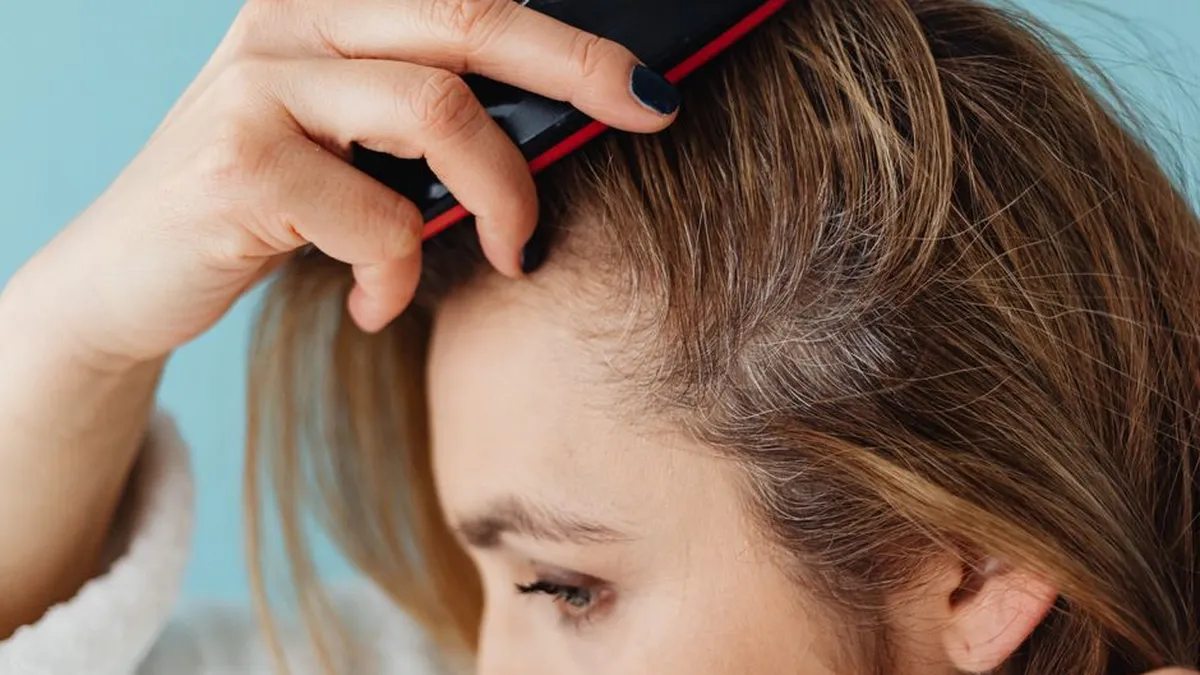
With oils and serums
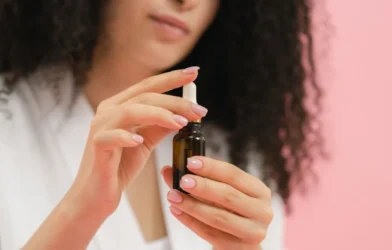
Massaging in a scalp serum improves distribution considerably compared with dabbing it on with a dropper alone.
For pre-wash oil treatments, a massager helps the oil reach the scalp rather than coating the hair.
One caution: if you have dandruff, be selective about oils. Malassezia — the yeast behind seborrhoeic dermatitis — feeds on most plant oils, so heavy oiling can worsen flaking. Squalane and mineral oil are the exceptions. See the anti dandruff shampoo guide for the fuller picture.
Mistakes worth avoiding
Too much pressure. The commonest error. Firm enough to move the skin, gentle enough not to scrape it.
Using it on dry, tangled long hair. Wire massagers in particular will find every knot you have. Detangle first, or keep it to the shower.
Not cleaning the tool. It accumulates product, oil and skin cells and puts them straight back on a clean scalp. Rinse it after every use, wash it properly weekly.
Using it on an inflamed scalp. Active psoriasis, eczema flare, sores or sunburn — leave it alone until the skin has settled.
Expecting it to replace exfoliation. It loosens surface residue; a scalp scrub clears the follicle openings more thoroughly.
Is it worth buying?
For the cleaning and product distribution: yes, comfortably, at that price.
For hair growth: buy it because the other benefits justify it, and treat any thickness improvement as a bonus rather than the reason.
And if hair loss is the actual concern that brought you here, the honest advice is to get it assessed rather than working through cosmetic tools. Iron deficiency, thyroid dysfunction, telogen effluvium after illness or stress, and pattern hair loss all present differently and all have specific treatments. A six-pound brush is not among them.
This article is general information, not medical advice. If you are experiencing noticeable, sudden or patchy hair loss, see a GP.



Comments are closed