



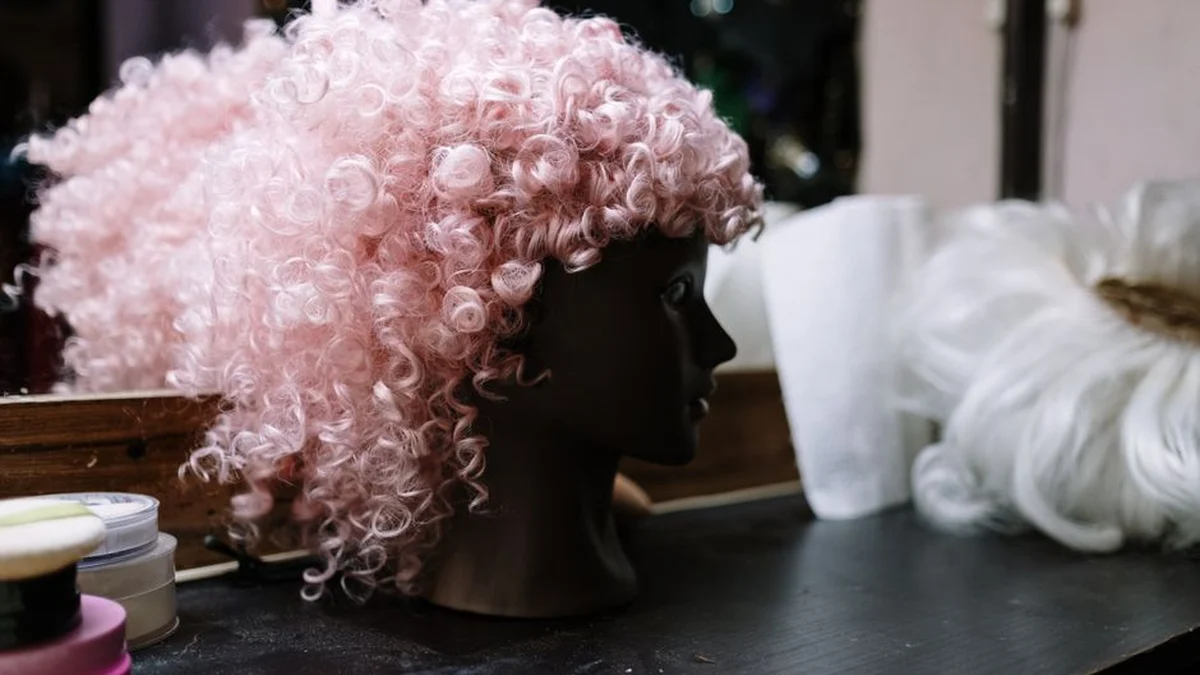
The difference between a wig lasting four months and lasting a year is almost entirely care, and most of the damage people do is in three specific places: washing too often, washing too hot, and storing it badly.
None of it is difficult. It’s just different from washing your own hair in ways that aren’t obvious, and the two fibre types need genuinely different treatment. If you haven’t chosen yet, the comparison in human hair vs synthetic wigs is the place to start.
The single most important rule
Wash less than you think.
A wig has no scalp attached to it. It isn’t producing oil, it isn’t collecting sweat from a scalp, and it doesn’t need washing on anything like the schedule your own hair does.
Synthetic: every 6–8 wears.
Human hair: every 8–12 wears.
Either, in a smoky or humid environment, or if you’re active: more often.
Every wash shortens a wig’s life. Over-washing is the single commonest cause of premature wear, and it accounts for an enormous number of wigs that “went frizzy after two months”.
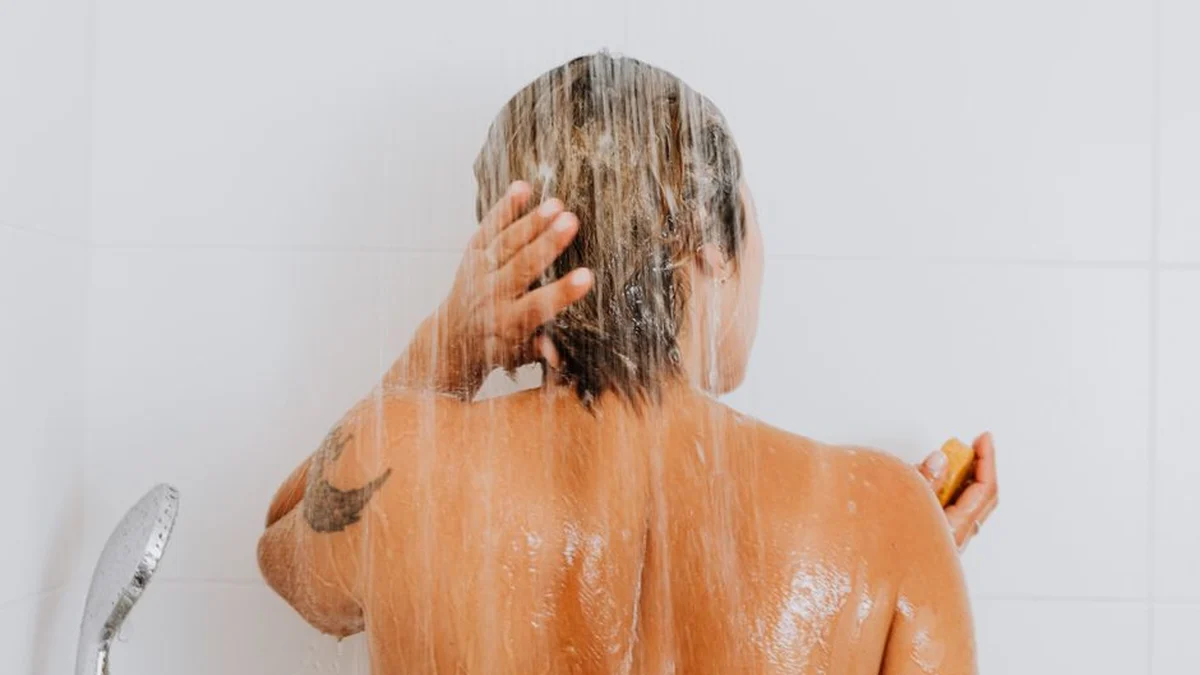
Washing a synthetic wig
Detangle first, dry, with a wide-tooth comb or wig brush, working from the ends upwards. Never wash a tangled wig — the knots tighten and become permanent.
Fill a basin with cool water. Not warm. Heat is what destroys synthetic fibre, and this includes tap water that feels merely pleasant.
Add a small amount of synthetic-specific wig shampoo, or a very gentle sulphate-free shampoo. Submerge the wig and swirl gently for a minute. Do not rub, scrub, twist or wring — any of those cause permanent tangling.
Rinse in cool running water, holding the cap and letting water flow downwards through the hair.
Apply synthetic wig conditioner to the mid-lengths and ends, never the cap or knots. Leave two minutes, rinse.
Press the water out gently between a towel. Never twist.
Then place on a wig stand and let it air dry completely. No hairdryer, no radiator, no airing cupboard. The style resets itself as it dries, which is synthetic’s whole advantage.
Washing a human hair wig
Detangle dry, from the ends up.
Lukewarm water — cool is still better, but human hair tolerates warmth.
Shampoo the hair, working downwards in one direction. Avoid scrubbing the cap, which loosens the knots holding each hair in place. Knot loss is what causes shedding and thinning in a human hair wig, and it’s usually caused by rough washing.
Rinse thoroughly. Apply a deep conditioner or mask to mid-lengths and ends, never the roots or cap. Leave five to ten minutes.
Rinse in cool water to close the cuticle.
Blot with a towel, apply a leave-in conditioner, and air dry on a stand. If you must blow dry, use low heat and a heat protectant spray — wig hair can’t repair itself, so damage is cumulative and permanent.
Then style. Human hair wigs need restyling after every wash; there’s no way around it.
Daily handling
Detangle before and after every wear, always from the ends upwards, holding the section above where you’re brushing so you’re not pulling at the knots.
Use a wig brush with looped bristles, or a wide-tooth comb. Ordinary hairbrushes pull hair out of the cap.
Never brush a wet synthetic wig. Never brush aggressively at the hairline of a lace front — see lace front wigs for handling the lace itself.
Storage, which people underestimate
Bad storage does more damage than most wearers realise.
Store on a wig stand or a mannequin head. This maintains the cap shape and stops the hair creasing. A folded wig in a drawer develops kinks that don’t come out — permanently, in synthetic.
Keep it out of direct sunlight, which fades colour and degrades fibre.
Keep it away from heat sources: radiators, airing cupboards, the top of a boiler.
Brush it before storing, not just after taking it out. Hair stored tangled sets that way.
For long-term storage, a hairnet over the wig, then the box it came in, in a cool dry place.
Heat: the rules differ completely
Standard synthetic: no heat at all. Not a hairdryer, not an iron, not a curling wand. The fibre melts or frizzes permanently and there is no recovery.
This extends further than people expect. Opening an oven door, standing over a boiling pan, a car heater vent aimed at your head, or a barbecue can all damage a synthetic wig in seconds.
Heat-friendly synthetic: low heat only, typically under 150°C. Check the specific product’s stated limit.
Human hair: treat like your own hair. Under 180°C, protectant every time, and less often than you’d style your own — it can’t repair itself.
Common problems and fixes
Tangling at the nape. Friction from collars and coats. Wear the hair up or forward, apply a leave-in to that section, and detangle it daily. It’s the first area to wear out on every wig.
Frizz on synthetic. Usually heat exposure or over-washing. A fabric softener rinse — a capful in cool water, soaked for ten minutes then rinsed — can soften mild frizz. Severe frizz is permanent.
Shedding. Some is normal. Excessive shedding means the knots are loosening, usually from rough washing or brushing. Handle the cap more gently.
Shine looking artificial. Dust lightly with dry shampoo or translucent powder.
Losing shape. For synthetic, a wash usually restores it. For human hair, it needs restyling.
Smell. Air it out on a stand rather than washing it. Wigs absorb cooking and smoke odours readily, and airing solves it without shortening its life.
Realistic lifespan
Synthetic, daily wear: 4–6 months.
Synthetic, occasional wear: up to a year.
Human hair, daily wear: 1–2 years.
Human hair, occasional wear: up to 3 years.
Owning two and alternating roughly doubles the life of both, because each gets time to rest and recover its shape. If you wear a wig daily, this is the most economical thing you can do.
Don’t forget what’s underneath
The wig gets all the attention and the scalp under it gets none.
Wash and condition your own hair on its normal schedule. Keep up a proper scalp care routine — a scalp under a cap all day sweats and needs cleansing.
Don’t braid too tightly underneath; tight cornrows under a wig cause the same tension damage as any other tight style.
Give the scalp a day off where you can.
And if hair loss is the reason you’re wearing one, keep the underlying cause under review with a GP rather than only covering it — the routes are covered in hair loss treatment for women and hair growth treatment.





Comments are closed