




Washing curly hair every day is a slow way to ruin it. The trouble is that day two usually looks like an argument you lost in your sleep, flat on one side, frizzy at the crown, and nothing like the curls you went to bed with.
A refresh sorts that out in under two minutes, and it is the habit that separates people who wash twice a week from people who wash five times. Where refreshing sits in the wider routine is covered in the guide to curly hair products.
What a refresher is actually doing
It is not adding a new layer of product. It is reactivating the product already in your hair, and once you understand the mechanism, everything else about day two makes sense.
The film-forming polymers in gel, cream and mousse are hygroscopic: they take on water. When they dry the first time, they set into a rigid film around each curl clump. When you wet them again, that film softens and becomes pliable, and it will re-set into whatever shape the hair happens to be in when the water leaves.
You are not applying a product. You are re-setting the one that is already there.
Three things follow from that, and they explain almost every failed refresh:
If there is no styler left on the hair, refreshing cannot work. This is why a wash day built on a curl defining cream alone refreshes badly, while one finished with gel refreshes beautifully. There is simply more film to reactivate. A curl enhancing mousse sits between the two and reactivates readily, which makes it one of the easiest stylers to live with midweek.
The clump has to be held in the right shape while it dries. Misting your hair and walking off achieves nothing, the film re-sets into exactly the shape it was already in. You have to wet it, squeeze it into shape, and then leave it alone.
Adding fresh product on top of an unreactivated film is what causes build-up. The old layer never dissolved; you have just laid a second one over it. Wet first, then add product only if it still needs it.
What should be in the bottle
Water first on the ingredients list, always. After that, less than you think:
A humectant, glycerin, aloe, honey extract. Keeps the strand pliable for longer. Useful for most of the year, with a caveat below.
A light conditioning agent, a small amount of cationic conditioner or a light oil, which reduces tackiness and helps the clumps re-form smoothly.
Almost nothing else. Heavy oils and butters build up over the week and leave hair limp by day four. Short-chain drying alcohols high on the list will dry the hair out, the fatty alcohols, cetearyl and its relatives, are fine.
Making your own, without giving yourself a problem
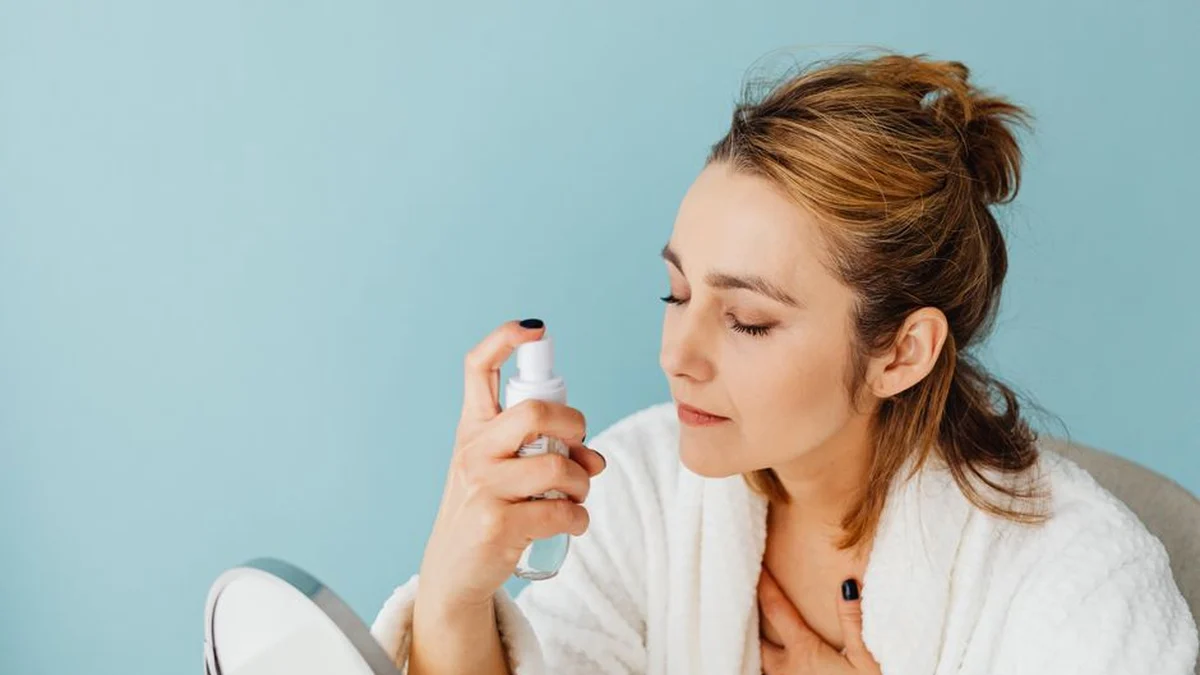
Half the recipes online will have you mixing aloe juice, coconut milk and botanical extracts into a spray bottle and keeping it on the bathroom shelf. Please don’t.
A water-based mixture with no preservative is a growth medium. Aloe juice and coconut milk make that worse rather than better, they add sugars and protein for things to feed on. Vitamin E gets recommended as a preservative and it is not one: it is an antioxidant that stops oils going rancid, and it does nothing at all about bacteria or mould. You are spraying this onto a scalp you are simultaneously trying to keep healthy.
So either keep it genuinely simple, or make it properly:
The simple version: water with a squeeze of your usual conditioner and a few drops of leave-in, shaken. It does the same job and there is nothing in it worth spoiling.
If you make anything more elaborate: make a small batch, keep it in the fridge, and throw it out after a week to ten days. Not “when it looks off”, on a date.
One cheap upgrade if you live in a hard-water area: use distilled or filtered water rather than tap. Across London, the South East and East Anglia you are otherwise depositing calcium and magnesium onto your hair every single morning, which is a slow, invisible route to the coated, won’t-take-water feeling that eventually forces a wash you didn’t need.
Day two, day three, day four, different jobs
Most advice treats refreshing as one technique. It isn’t. What the hair needs changes as the week goes on, and using the day-three method on day two is why people end up with limp hair by lunchtime.
Day two: spot-treat, don’t do the whole head
Look at it properly first. Usually only two things are actually wrong: the side you slept on is flat, and the crown has gone fuzzy. The rest is fine, and touching it will make it worse.
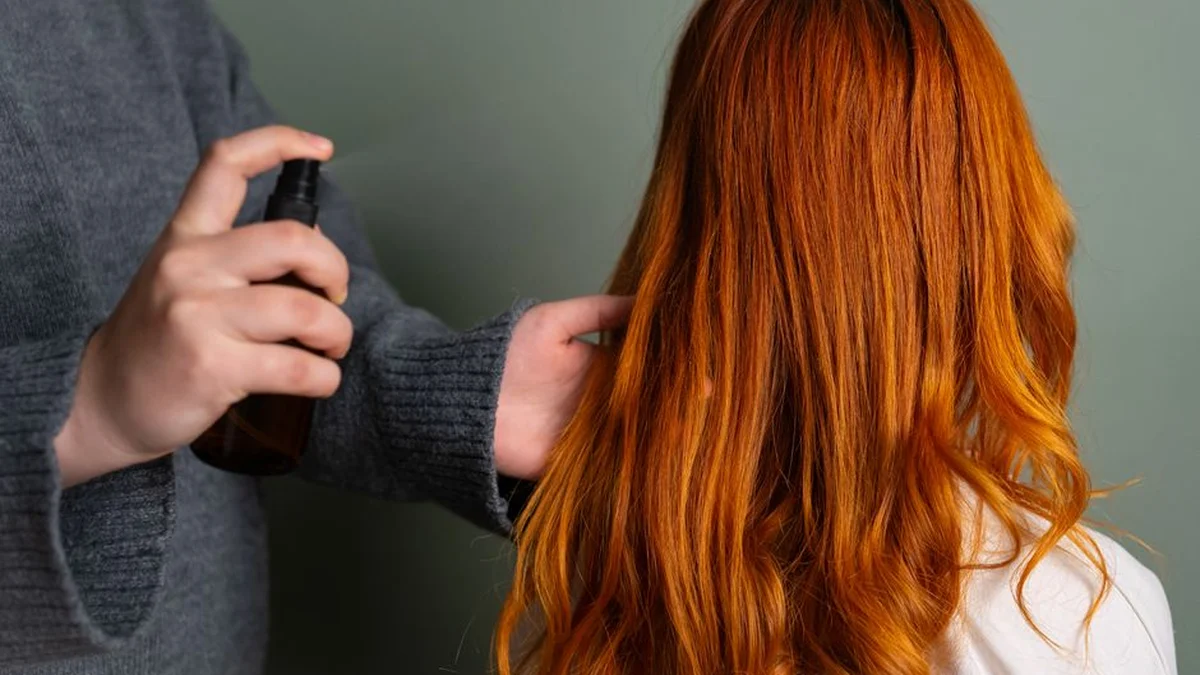
So treat the parts that need it. Mist those sections until properly damp, not misted, properly damp, because a half-wet clump separates as it dries, then cup each section in your palm and squeeze upwards two or three times. You should hear it: that faint squelch means the film has softened and the clump has re-formed.
Then leave it. Air dry, or diffuse briefly on low.
Day three: section it and do the lot
By now the clumps have broken down across the whole head, and spot-treating leaves you with an obviously patchy result.
Divide into three or four sections. Wet each one more thoroughly than you did on day two, until the curls feel pliable rather than merely damp, and work through them one at a time, squeezing upward. This is also the day when a small amount of extra product genuinely helps: a pea-sized amount of cream diluted in wet palms, or a little gel if you need the hold back.
Day four and beyond
Two honest options. Either a partial wet refresh, more water than you have used all week, a little leave-in, air dry, or accept where you are and put it up. A bun or a loose braid on day four is not a defeat; it is what the week was building towards.
Flat roots: a drying problem, not a product problem
The commonest day-two complaint, and the fixes are worth doing in this order.
Wet the roots more heavily than the lengths and clip them up while it dries. Volume at the root comes from the hair drying in a lifted position. Nothing in a bottle replaces that.
Diffuse the root area only, on low heat and low airflow, for a couple of minutes.
Flip your head forward and scrunch upward at the crown while it is still damp.
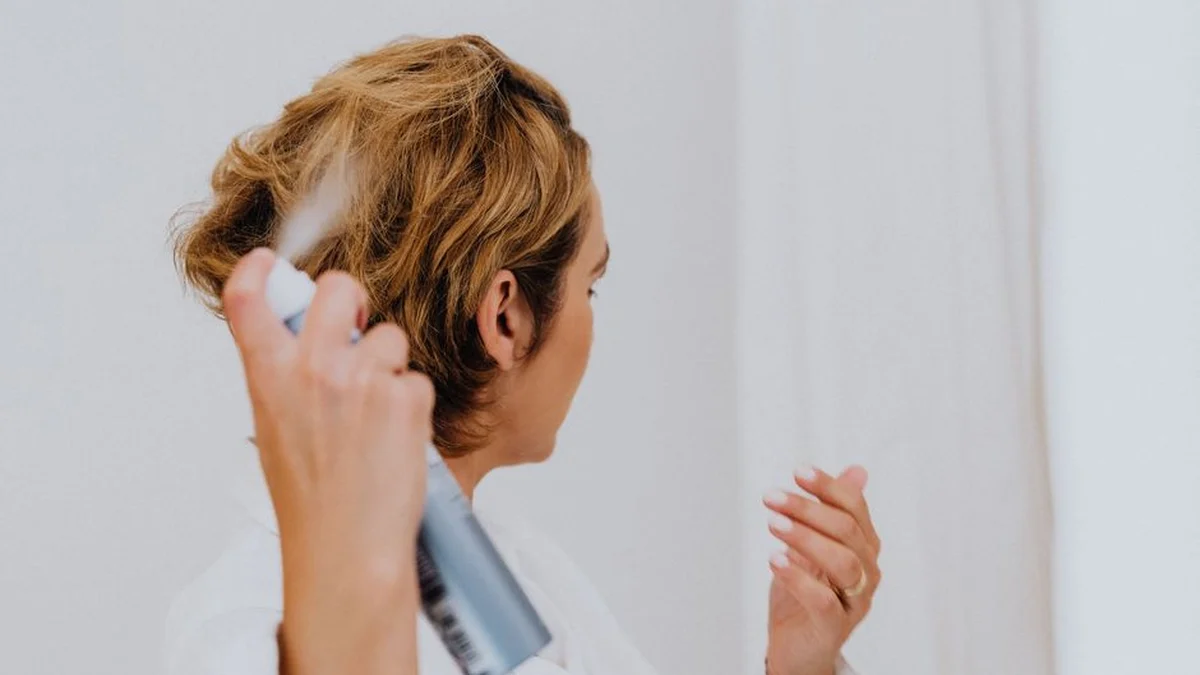
Dry shampoo, last, and sparingly. Every guide reaches for it first and none of them mention the obvious problem: you are being told to use a starch-and-clay powder that absorbs oil and then sits there, on a scalp you are only washing once a week. A couple of uses between washes is fine. Daily use on a stretched wash schedule accumulates, and itching and flaking follow, which is precisely the outcome the whole strategy was meant to avoid. If your scalp is already the weak point, the scalp care routine guide is the better place to start.
One rule worth keeping: if the roots are already oily, don’t re-wet them at all. Put the water on the mid-lengths and leave the scalp alone.

Protecting the curls overnight
Half the refresh problem disappears if the curls survive the night in the first place.
A satin or silk pillowcase is the lowest-effort change with the largest effect, cotton grips the cuticle and drags. A loose high bun secured with a soft scrunchie, or a satin bonnet, keeps the length off the pillow entirely. Loose is the operative word; a tight elastic leaves a dent you will spend the morning fixing.
If you are already setting your hair overnight for heatless curls, you get the protection and the shape in one go.
How many days can you actually stretch it?
It varies more by curl type than most people expect:
- Wavy, two to three days, with the roots needing the most attention
- Curly, one to three days between refreshes, often one wash a week
- Coily, one to two weeks between washes, with several refreshes in between
Fine hair caps out earlier than the numbers suggest, because the roots go oily faster regardless of curl pattern.
The signs it is wash day, whatever the calendar says
Stop refreshing and wash when you notice: hair that feels sticky or tacky, curls that go limp and will not re-form no matter how you squeeze them, more tangling than usual, an itchy scalp, or, the clearest signal of all, hair that gets worse when you add product to it.
That last one means there is a layer already there that water is no longer dissolving. Nothing you apply on top will improve it.
When refreshing stops working altogether
The hair feels coated and won’t take water. Build-up. In most of Britain that means product residue; across London, the South East and East Anglia it is very likely minerals as well, and an ordinary clarifying shampoo does not shift those, you need a chelating wash, and the clarifying shampoo guide covers the difference.
It goes limp within an hour of refreshing. Not enough hold left from wash day. Use a stronger hold next time, the frizz control gel guide covers hold levels, or add a little gel into the refresh itself.
It frizzes the moment you step outside. Atmospheric humidity, not technique. On genuinely muggy days a refresher alone will not hold; the layering covered in the anti frizz hair products guide is what does.
The curl pattern itself has gone. That is damage or a moisture-protein imbalance, and no amount of water fixes it. A round of curl revival products is the reset.
One thing about glycerin and British weather
Glycerin is in almost every refresher, homemade or bought, and it is genuinely useful for about eight months of the year. The two failure modes look like opposite problems. In very dry indoor air, say a flat with the heating on all winter, it can pull moisture out of the hair rather than into it, and curls go brittle. On a muggy August morning it pulls in more than the strand can hold, the cuticle swells, and the curl puffs however well you squeezed it.
A refresher is where this bites hardest, because you are applying it in whatever weather that particular morning has produced. If your spray works reliably in April and betrays you in August, that is why. Switch to a lower-glycerin mix for the humid stretch.
The short version
Water is the active ingredient, and what it does is soften the film already on your hair so it can re-set. Spot-treat on day two, section and do the whole head on day three, put it up on day four. Wet properly, squeeze upward, then leave it alone.
Sleep on satin. Keep any homemade mix in the fridge and bin it after a week. And when a refresh stops reviving the clump, that is the hair telling you it needs a wash, not a stronger spray.



Comments are closed